Industry knowledge for better decisions.
Insights is where we share industry observations, regulatory updates, and manufacturing know-how drawn from three decades of hands-on experience.
Power Honour Insights shares practical guidance on Taiwan OEM/ODM manufacturing, CE/UIAA/ANSI certification, China+1 supply-chain strategy, material selection, and precision metal processes — drawn from over 30 years manufacturing certified safety hardware.
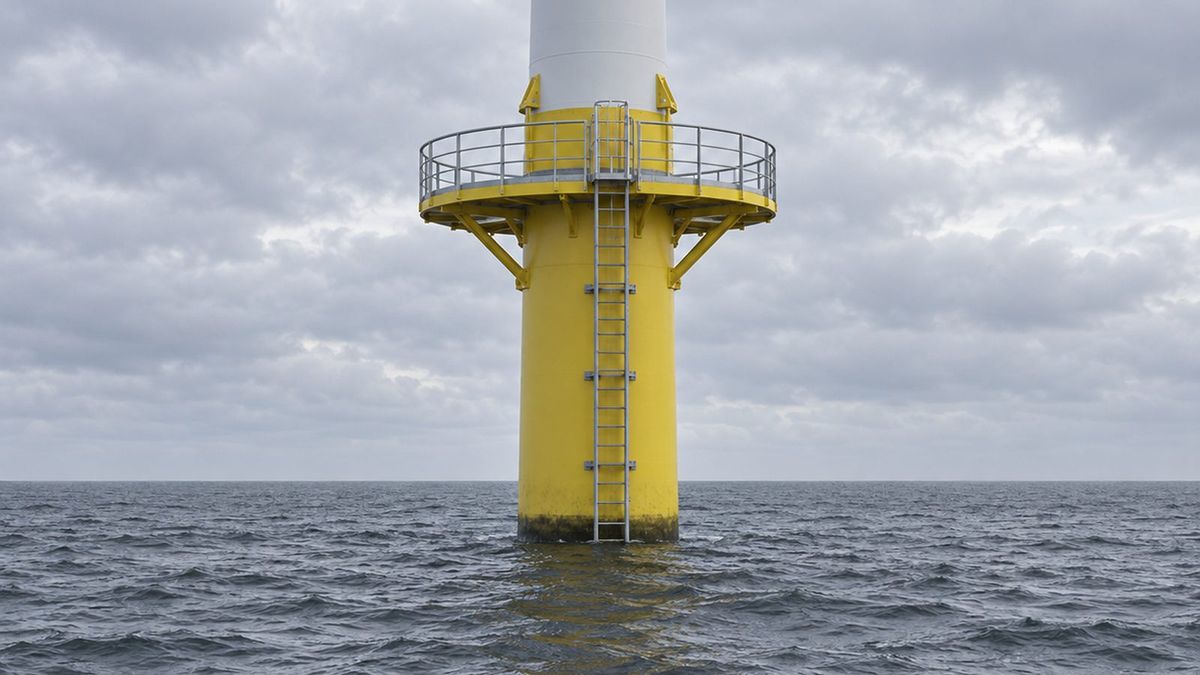
Wind Turbine Fall Protection: EN 353-1 Ladder Systems and Offshore Hardware
Wind turbine fall protection centres on EN 353-1 ladder systems, EN 795 anchor points and EN 341/EN 1496 rescue kit. Here is what European brands and distributors should specify, from system compatibility to offshore corrosion.
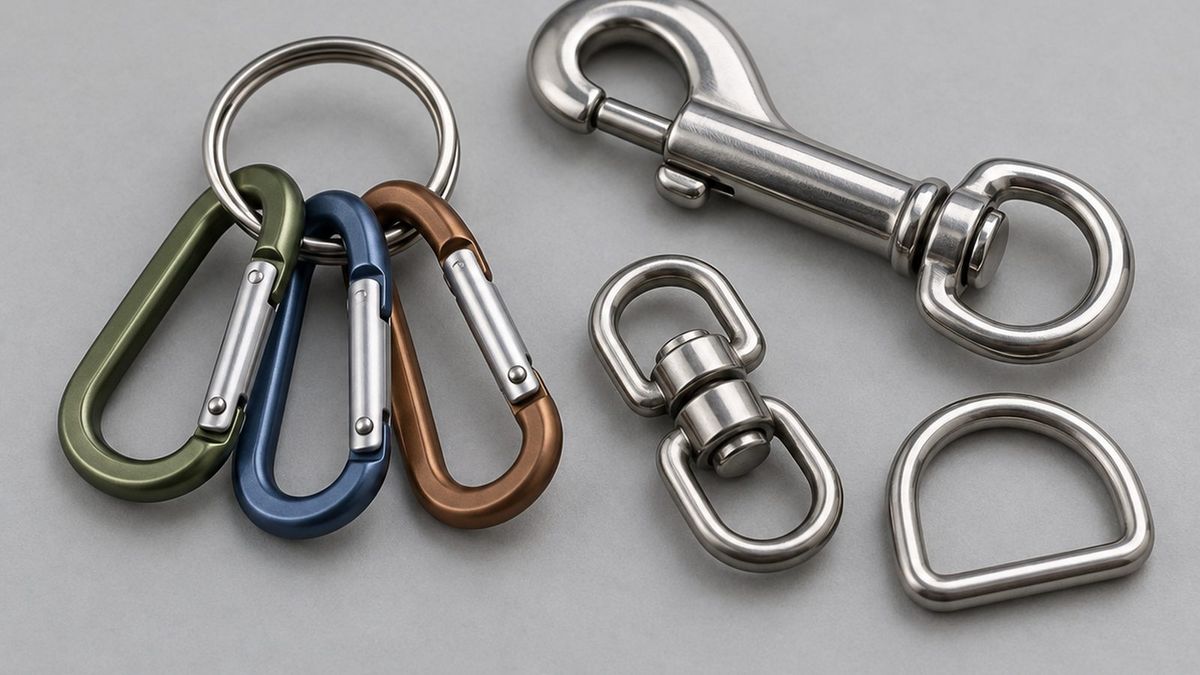
GPSR vs PPE Regulation: EU Rules for Accessory Carabiners and Pet Hardware
Accessory carabiners, keyring clips and pet hardware fall under the GPSR unless designed to protect against falls. What the General Product Safety Regulation requires of brands, importers and online sellers.
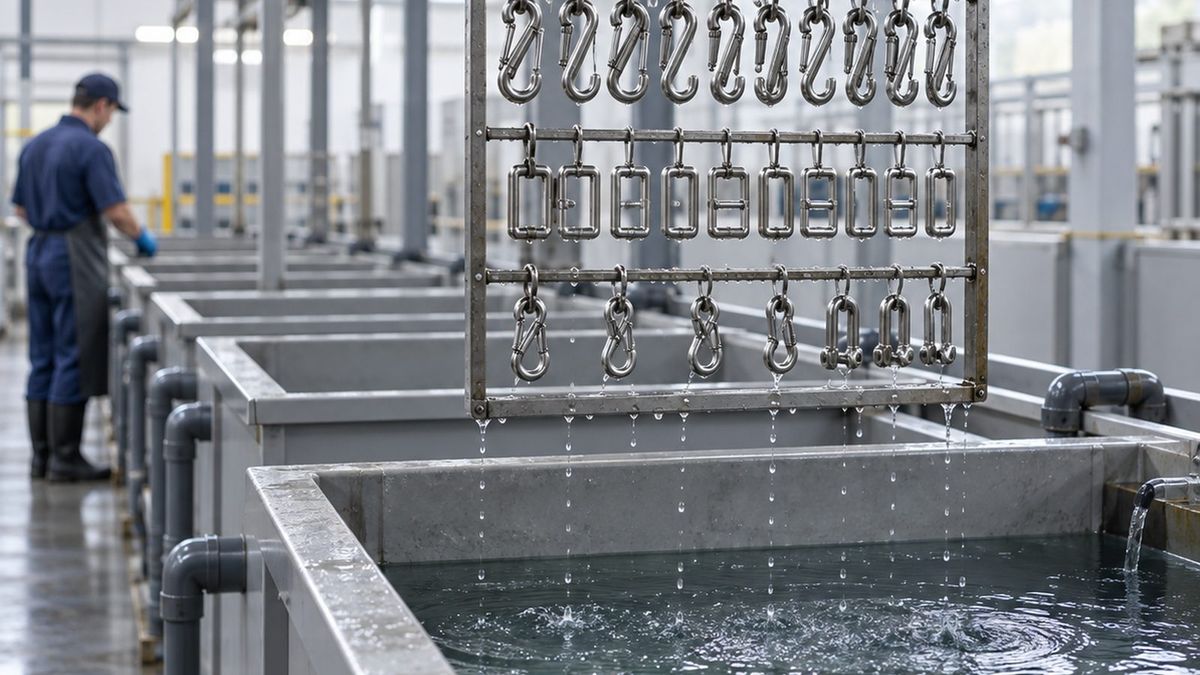
Hexavalent Chromium Restriction: What It Means for Plated Safety Hardware
The EU hexavalent chromium restriction would swap REACH authorisation for strict conditions on Cr(VI) use, and buyers already demand Cr(VI)-free finishes. Where Cr(VI) hides in hardware finishing, and what to specify instead.
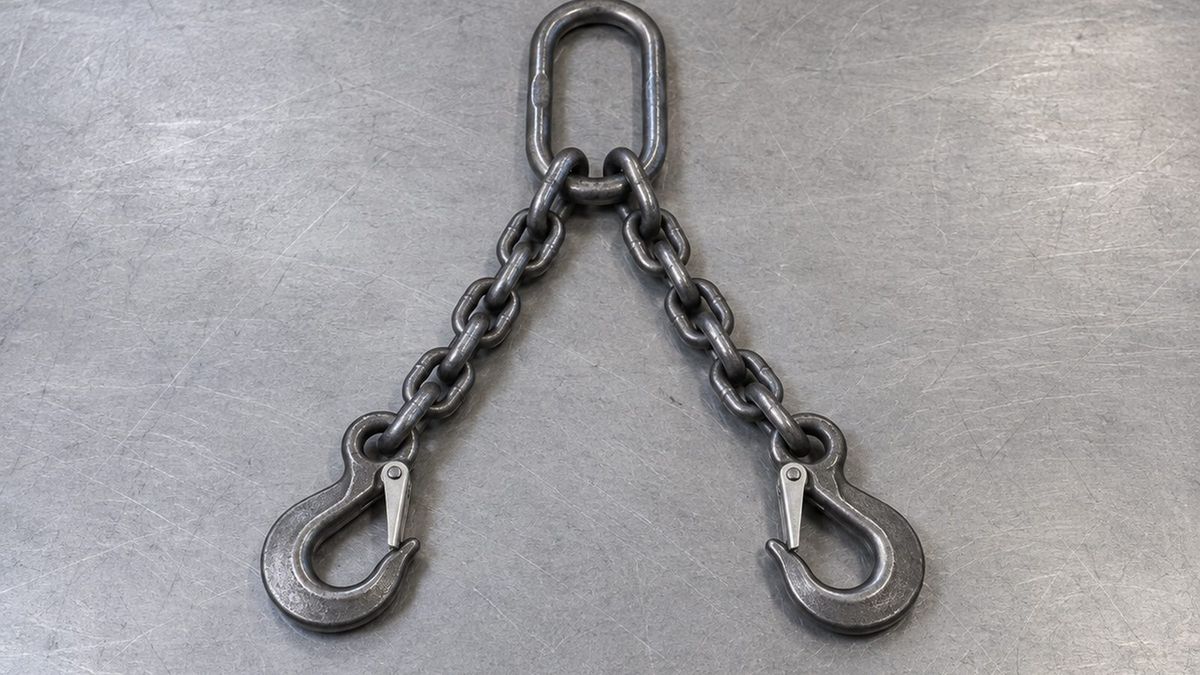
Machinery Regulation Lifting Accessories: What Changes on 20 January 2027
EU Machinery Regulation 2023/1230 replaces Directive 2006/42/EC on 20 January 2027. Here is what it means for lifting accessories: coefficients, marking, declarations of conformity and new importer duties.
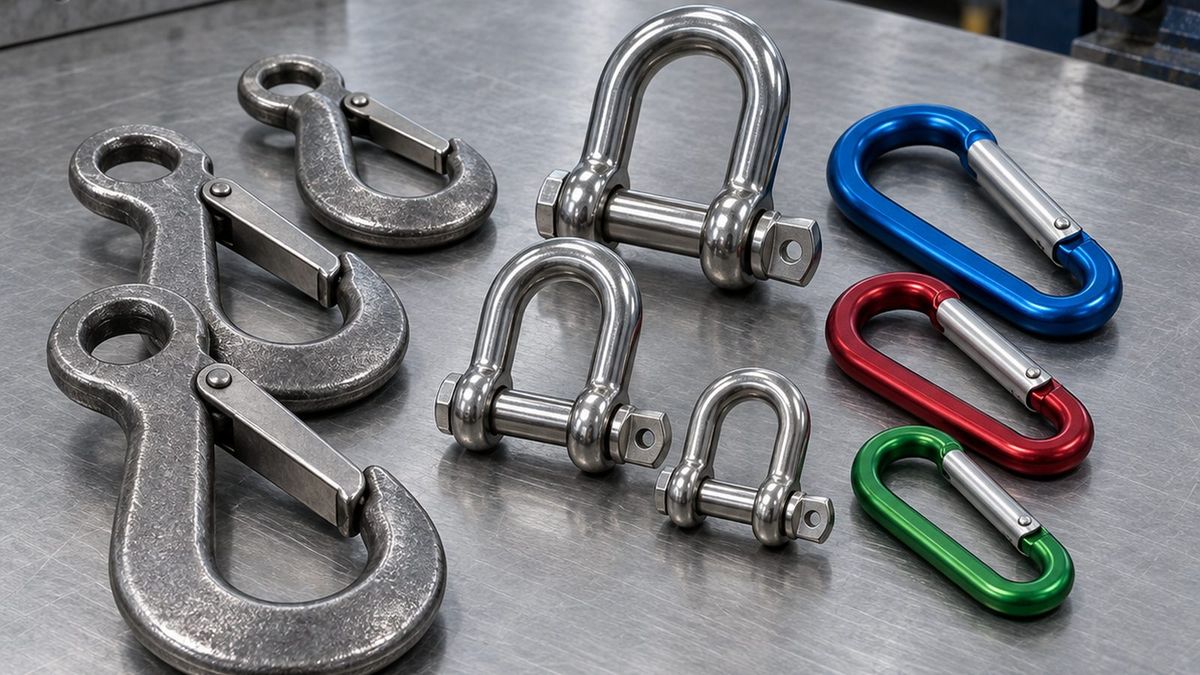
CBAM for Steel and Aluminium Hardware Importers: Scope, 50 t and Data
CBAM now puts a carbon cost on steel and aluminium hardware entering the EU, from forged hooks to aluminium carabiners. Here is what is in scope, how the 50-tonne threshold works and what data to ask suppliers for.
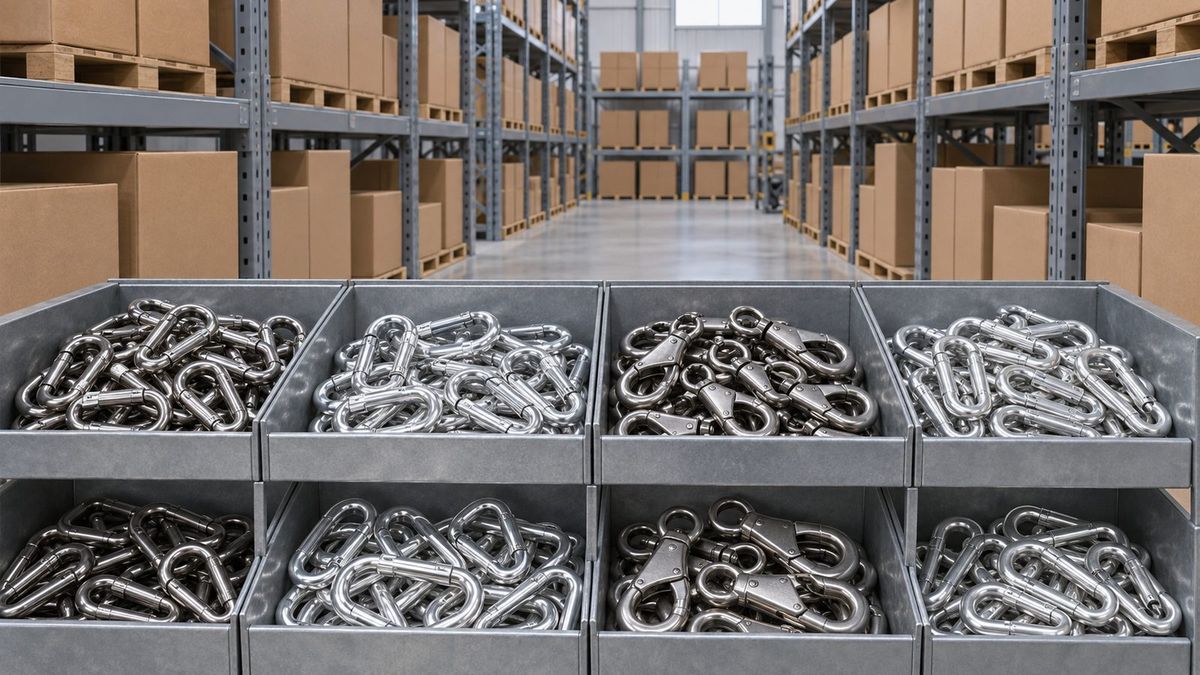
Wholesale Safety Hardware: Stocking, Private Label or Custom OEM?
Wholesale safety hardware can be sourced four ways: stock catalogue parts, private label on existing tooling, modify a catalogue part, or go fully custom OEM. Here is how each route shifts exclusivity, tooling and liability.

G80 Lifting Components: ASTM A952, ASME B30 and What Importers Check
G80 lifting components, the forged hooks, master links and coupling links in Grade 80 chain slings, are specified under ASTM A952 and used within ASME B30.9. Here is what the grade means and what to verify before stocking them.
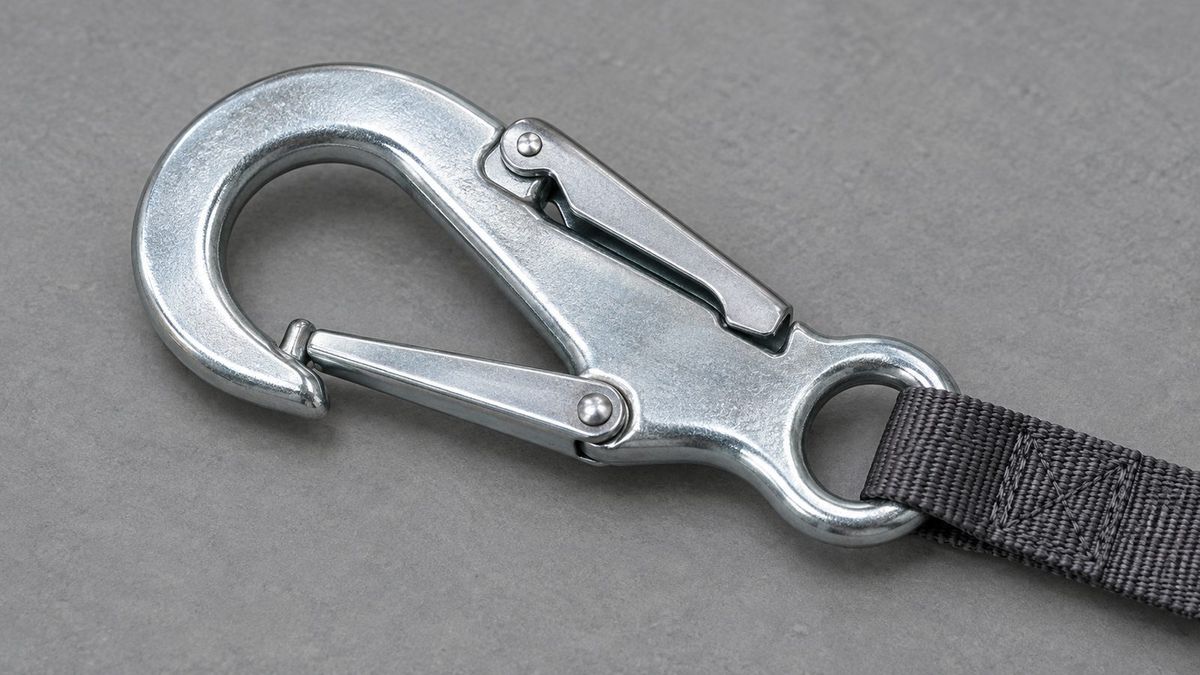
Fall Protection Snap Hook Types: A Selection and Sourcing Guide
A fall protection snap hook must be self-locking, but the right type depends on what it connects to. This guide covers double-locking, rebar, scaffold, swivel, captive-eye and stainless hooks, roll-out, QC and RFQ specs.

CSA Z259 vs ANSI Z359: Selling Fall Protection Hardware in Canada
CSA Z259 is Canada’s series of fall protection standards, and CSA Z259.12 governs connectors. Here is how it differs from ANSI/ASSP Z359, who enforces it, and how to plan one product, test programme and label for both markets.
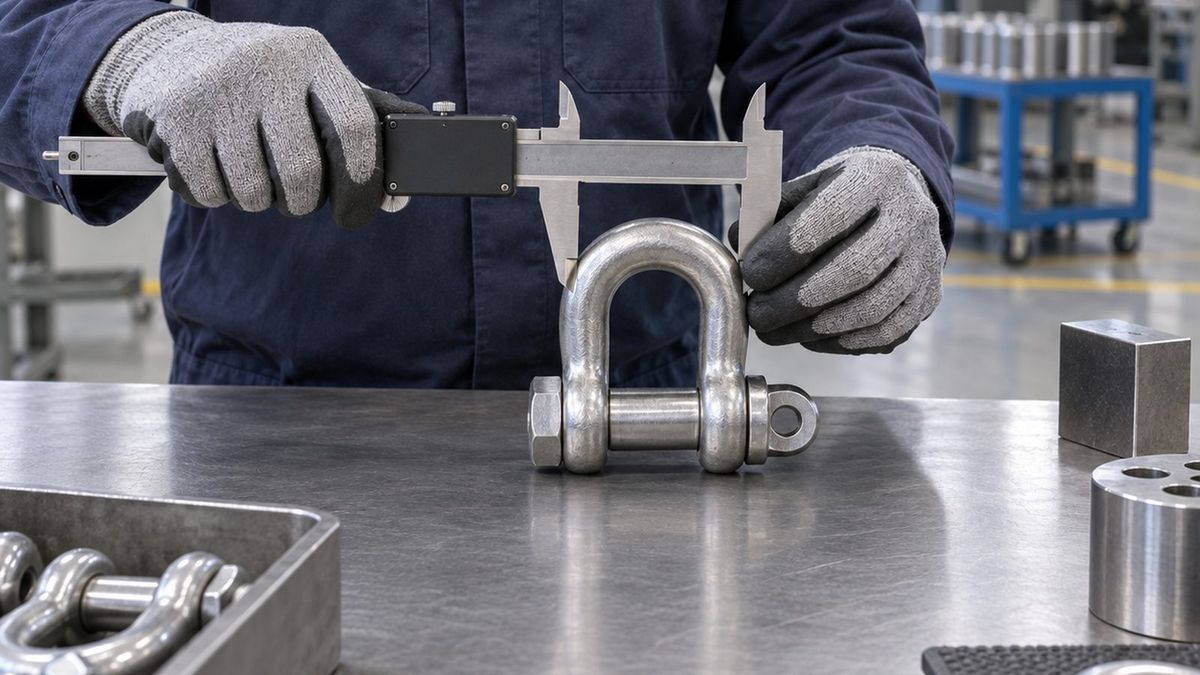
Safety Equipment Supplier Qualification for Life-Safety Hardware
Safety equipment supplier qualification for life-safety hardware is a liability exercise, not a cost exercise. Here is what a sourcing lead should demand — capability, records, traceability, test evidence — before the first order.
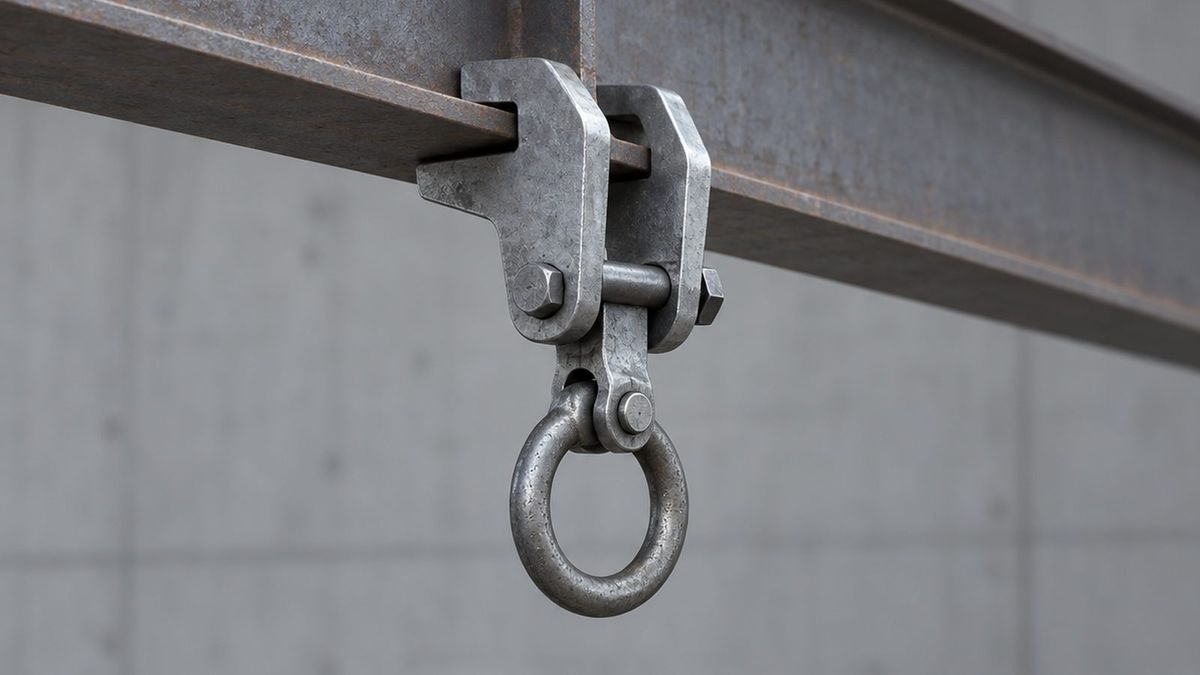
Anchorage Connector Manufacturing: Beam Clamps, Roof and Concrete Anchors
An anchorage connector is the one part that transfers the entire arrest load into the structure, and ANSI/ASSP Z359.18 governs it as a product. Here is how beam clamps, roof anchors and concrete anchors are made and specified.
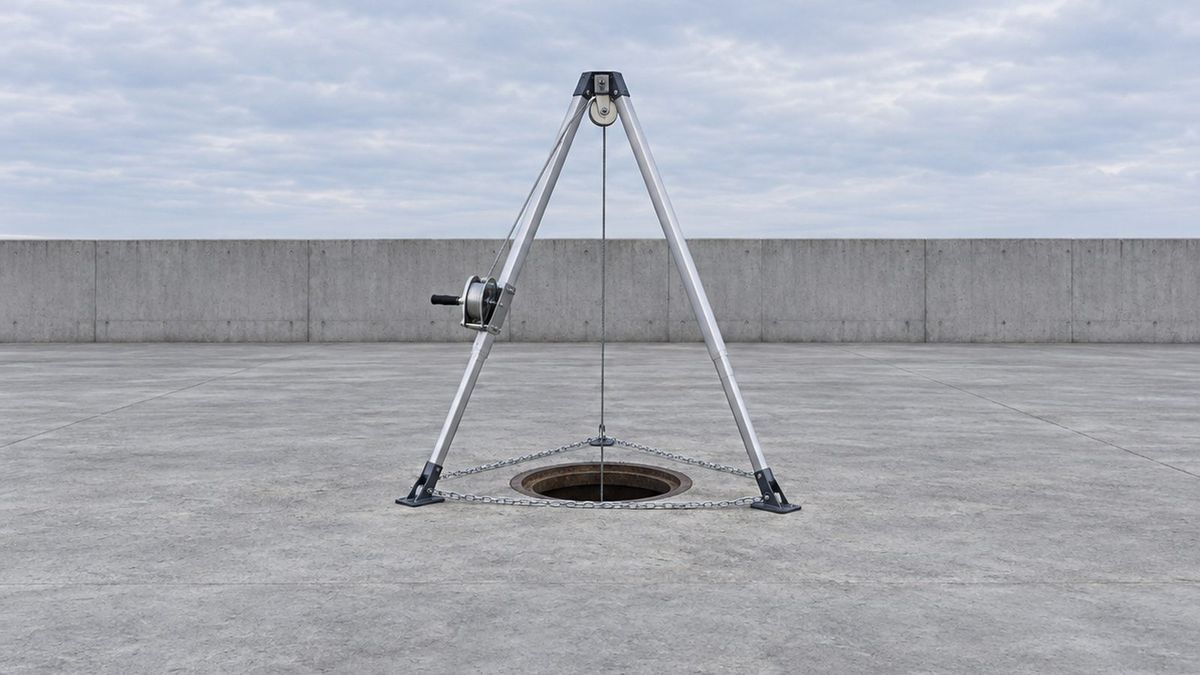
Confined Space Rescue Tripod and Davit Hardware: A Sourcing Guide
A confined space rescue tripod, davit arm and retrieval winch form a single load-rated metal load path from the anchor to the entrant. Here is what a brand should specify when sourcing that hardware.
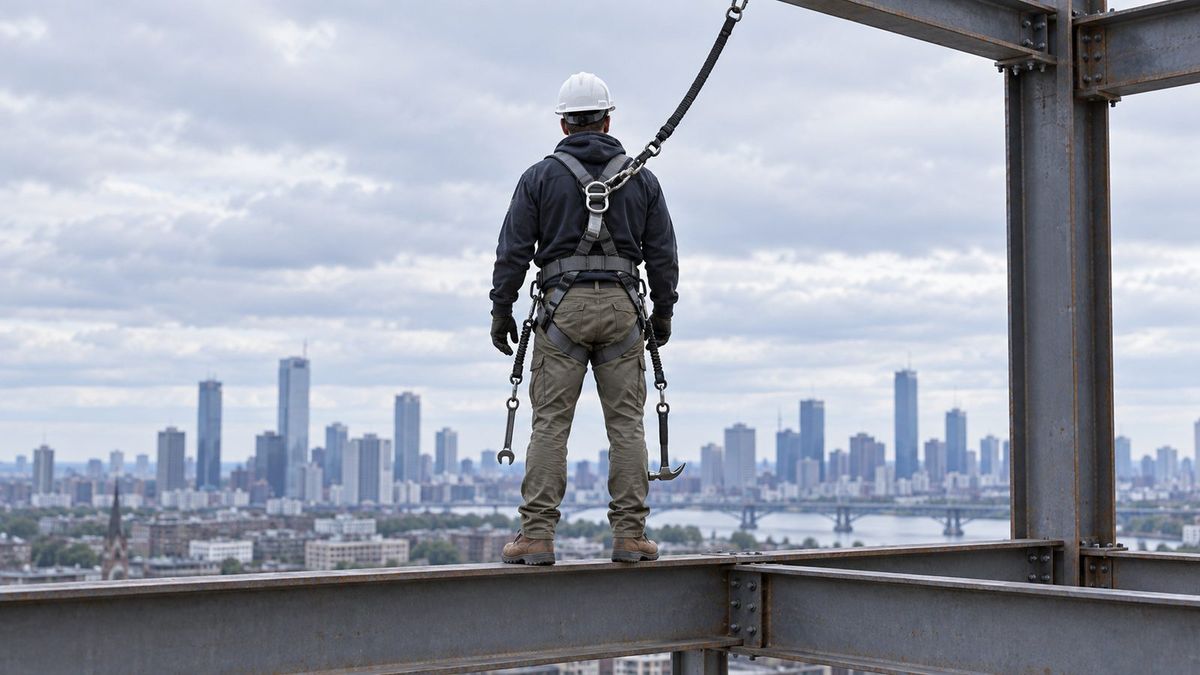
Tool Tethering Hardware and ANSI/ISEA 121 Dropped Object Prevention
Tool tethering is the fastest-growing corner of dropped object prevention, and ANSI/ISEA 121 is the standard behind it. Almost all of it is small load-rated metal: quick rings, D-ring adapters, tool traps, swivels and connectors.
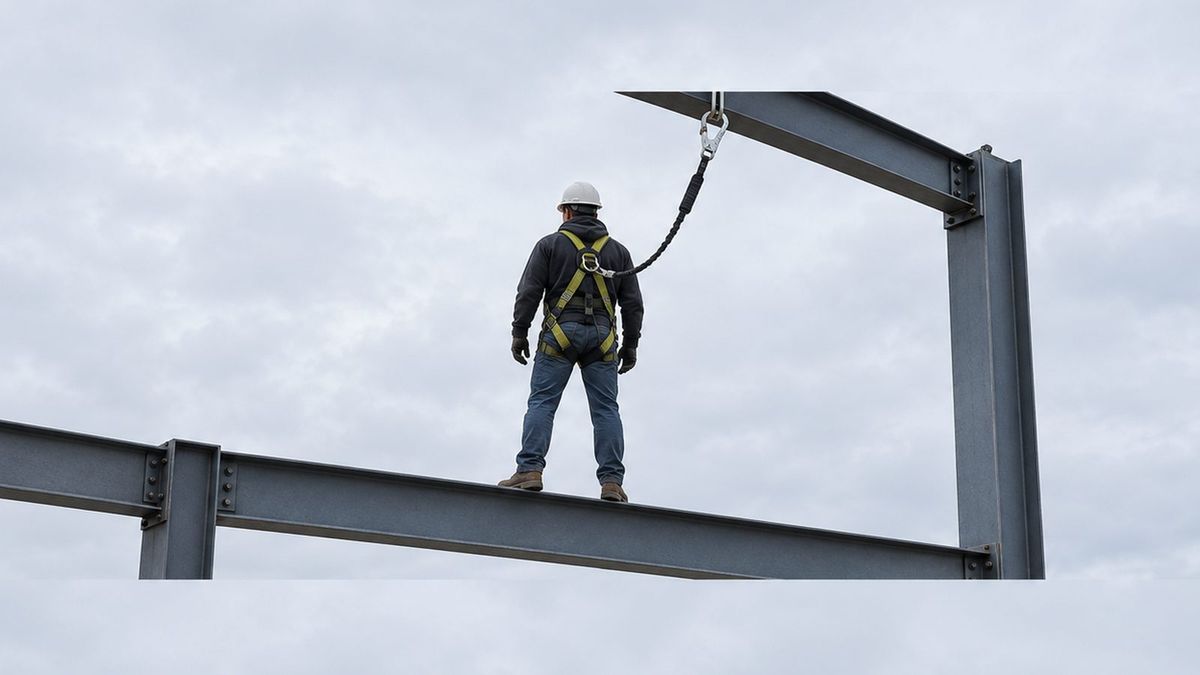
OSHA Fall Protection Requirements vs ANSI Z359: Law vs Consensus
OSHA fall protection requirements are federal law; ANSI/ASSP Z359 is a voluntary consensus standard. Here are the 29 CFR 1926.502 and 1910.140 figures hardware must meet, and why no product is OSHA approved.

Private Label Pet Hardware: A Guide to Custom Metal Parts
Private label pet hardware runs from a stock clip in your colour to a proprietary part on your own dies. A guide to branding methods, tooling costs, ownership and when custom tooling pays.
Material Traceability and Mill Test Certificates: What to Ask For
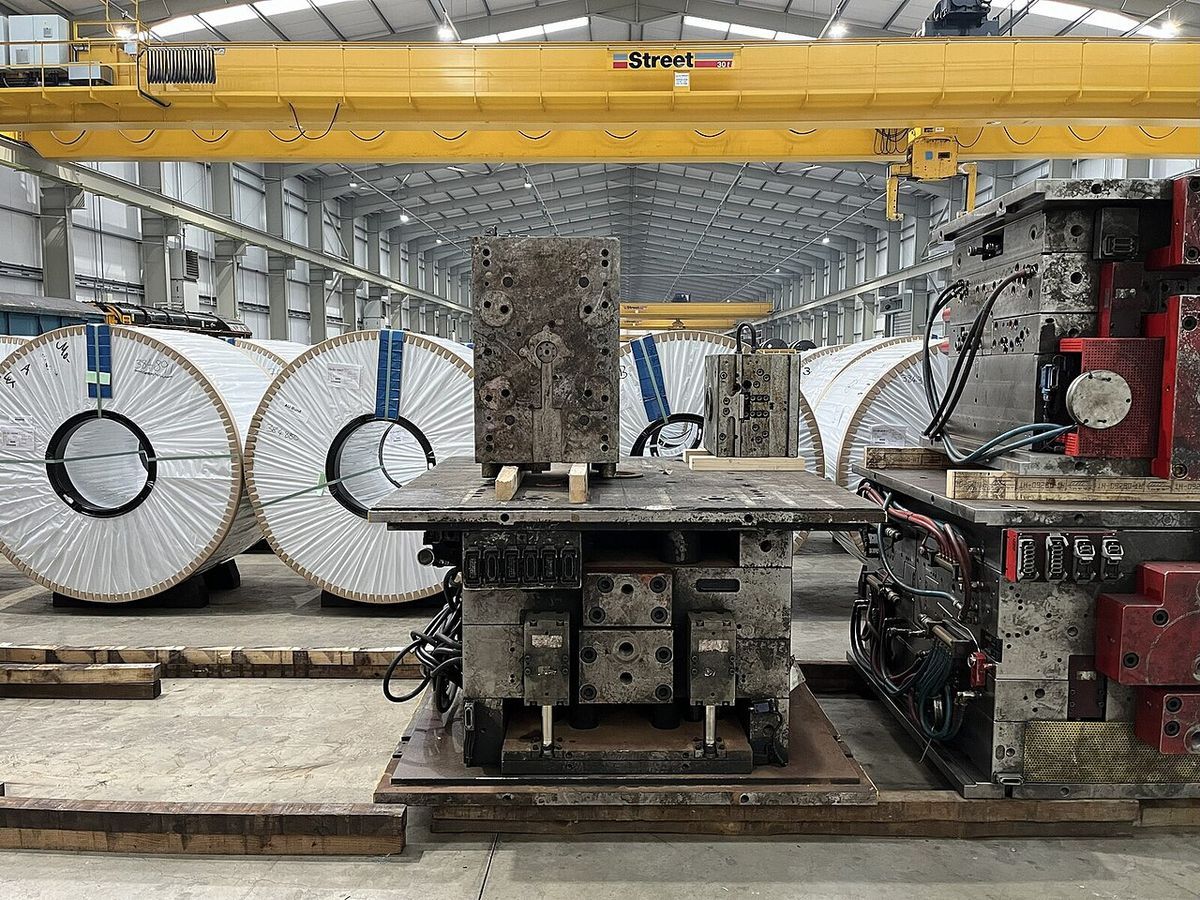
Material traceability links a finished part back to the heat of metal it came from, and the mill test certificate reports that heat’s measured results. What EN 10204 3.1 means, and how to ask for it.
Dog Leash Breaking Strength: How to Specify and Prove a Real Number
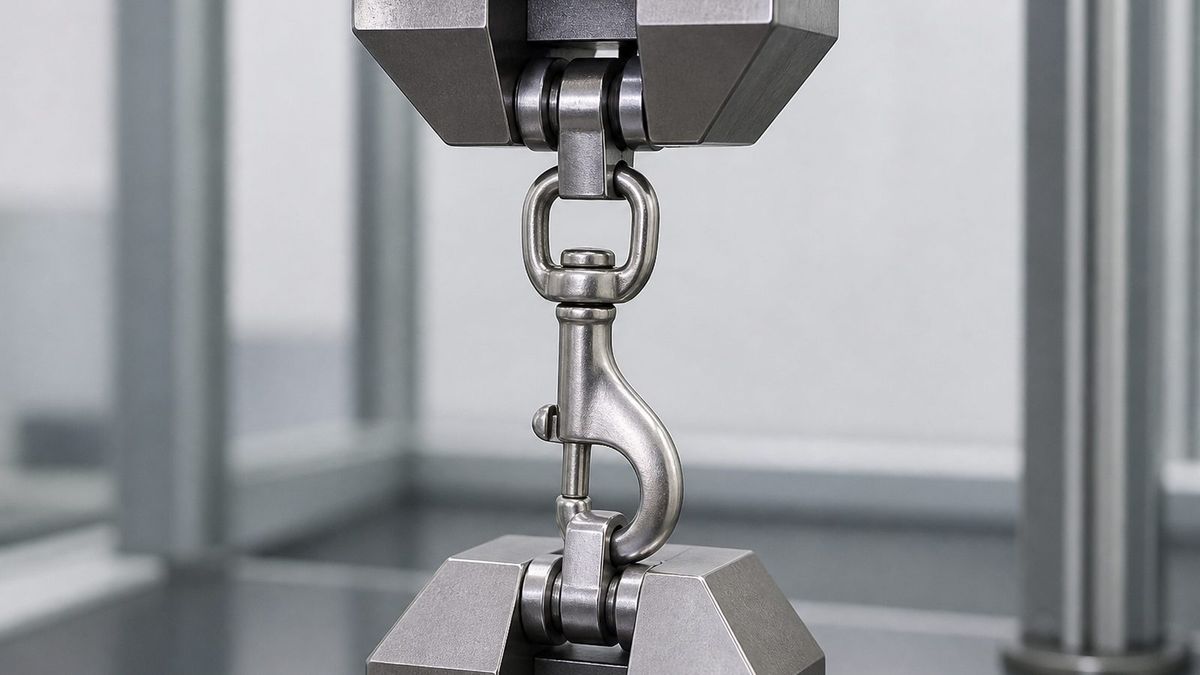
Dog leash breaking strength only means something with a stated pull direction, test method and sample size. A guide to specifying a strength floor for pet hardware and verifying it with real batch test data.
Dog Leash Snap Hook Types: A Pet Hardware Selection Guide
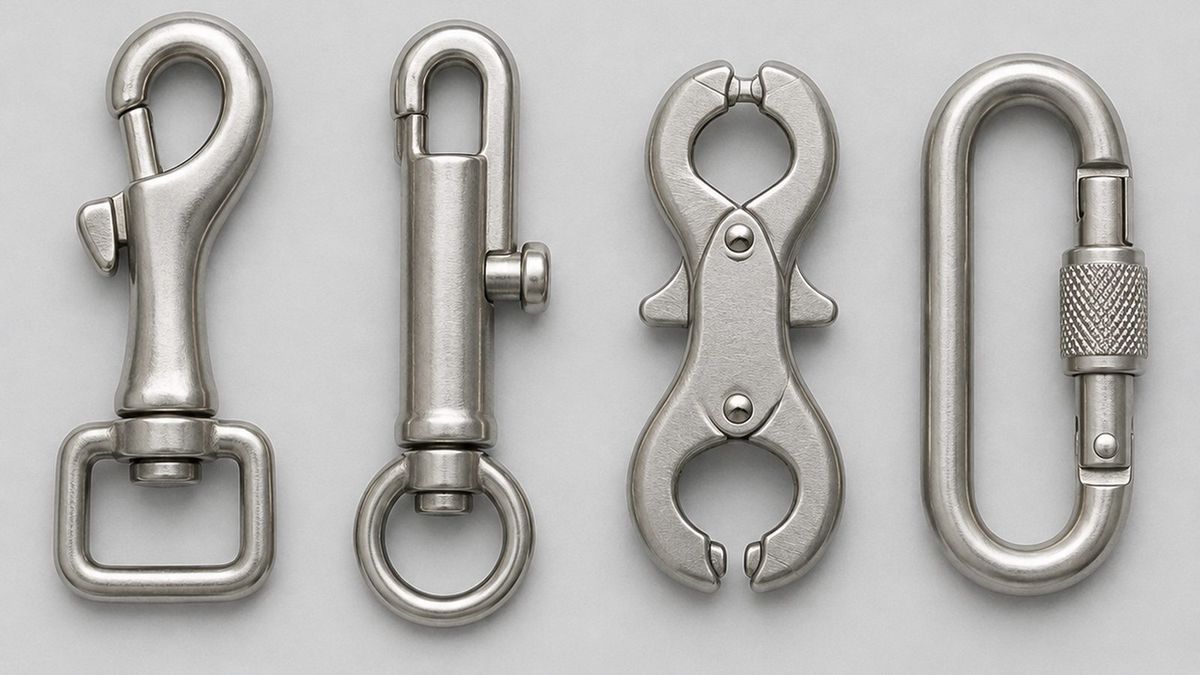
A dog leash snap hook is not one part but a family: trigger and bolt snaps, swivel eyes, scissor hooks, frog clips and locking carabiners. Here is how a pet brand picks the clip, ring and slider, and writes the spec.
Metal Stamping vs Machining: Process, Tooling Cost, and When to Switch
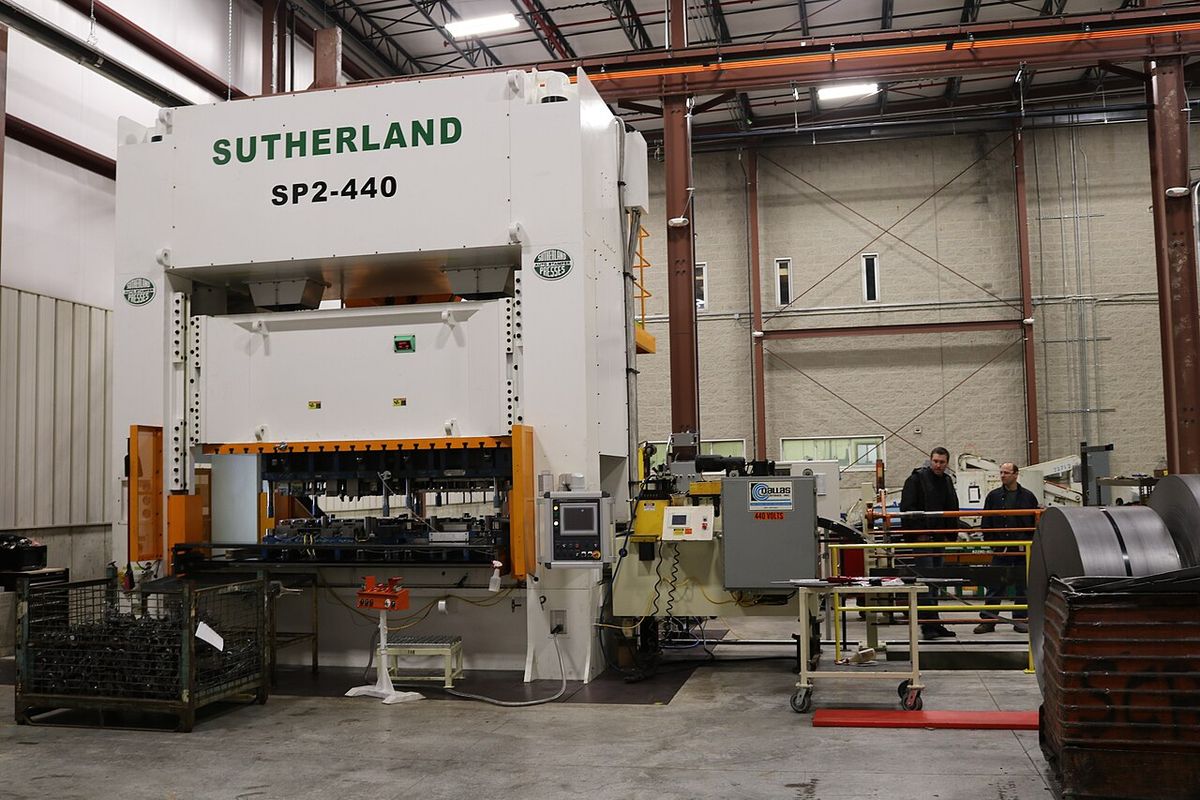
Metal stamping forms sheet metal between a punch and a die instead of cutting it away, trading high tooling cost for a very low piece price. Here is how the volume-versus-tooling crossover works, and where machining still wins.

Dog Car Restraint Hardware: Tethers, Swivels and Crash-Test Claims
Dog car restraint hardware, the tether connector, swivel and vehicle anchor, is what carries the crash load. Here is how Center for Pet Safety testing sets the bar, and what to specify when sourcing a restraint line.
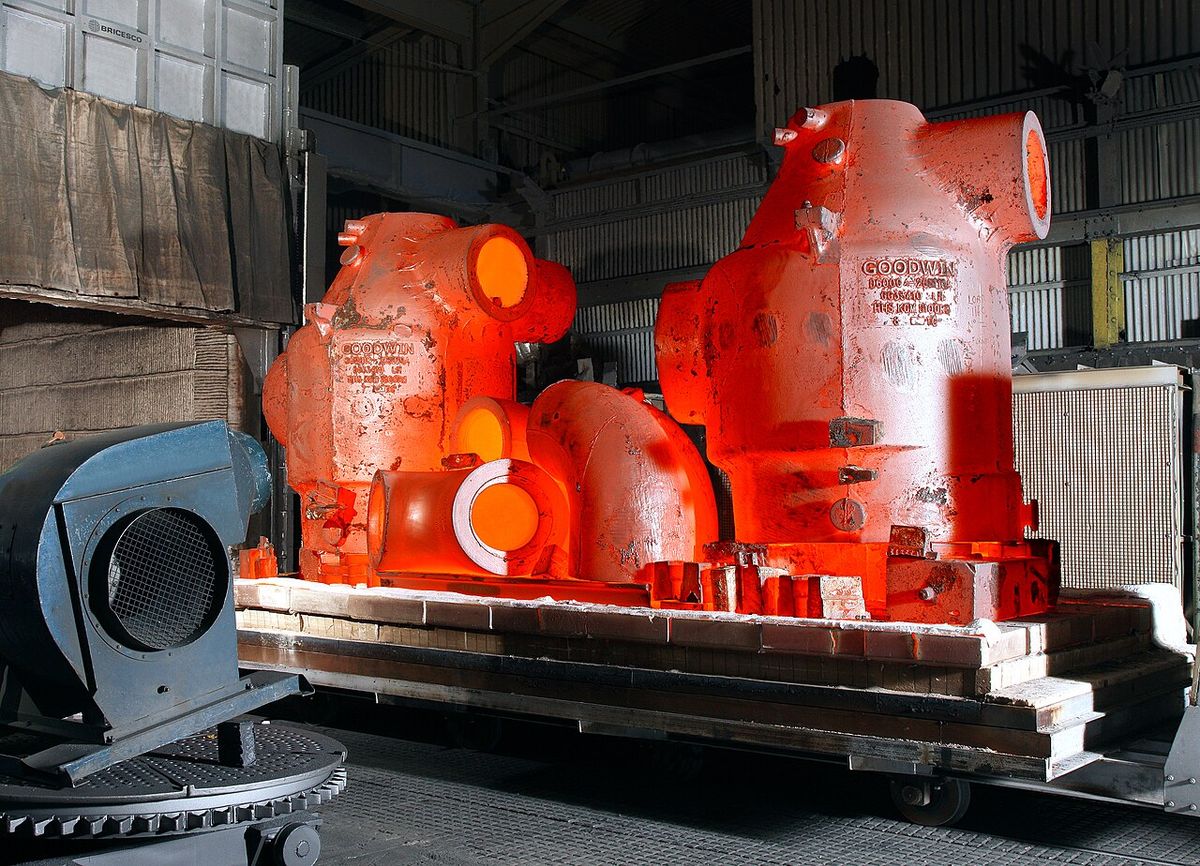
Heat Treatment for Precision Metal Parts: What T6 and HRC Really Mean
Heat treatment is controlled heating and cooling that changes a metal’s bulk structure, not its surface. A guide to T6 tempers, quenching and tempering, case hardening, stress relief and distortion.
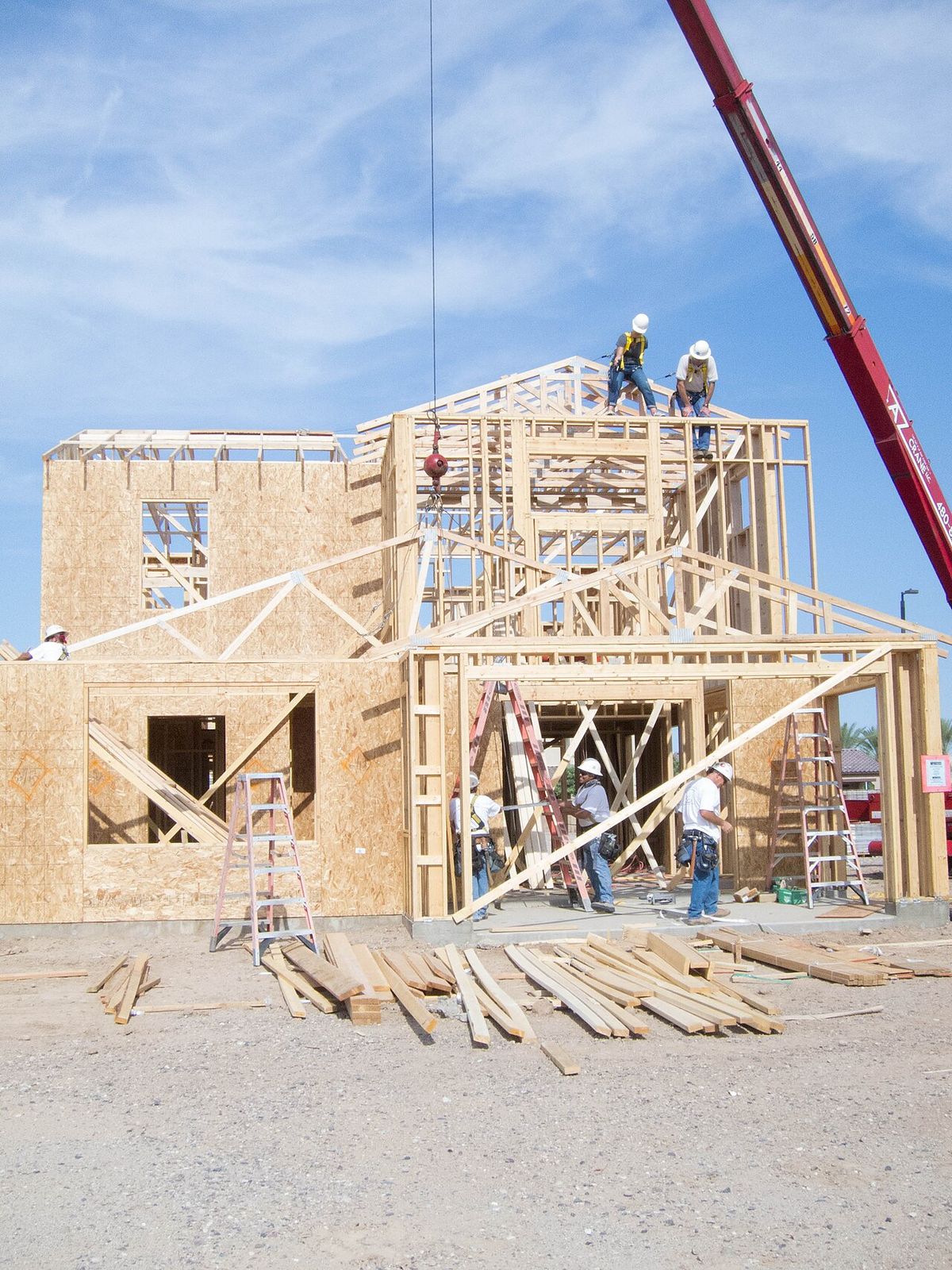
Harness Hardware Manufacturing: D-Rings, Buckles and Connectors
A harness hardware manufacturer supplies the load path of a full body harness: D-rings, adjusters, buckles and connectors. Here is how those parts are made, tested and certified under EN 361, EN 362 and ANSI/ASSP Z359.

Pet Hardware Manufacturer Guide: Sourcing the Metal in Pet Gear
Choosing a pet hardware manufacturer means specifying metal, not approving a sample. This guide maps the snaps, swivels, rings and buckles behind leashes, collars and harnesses, and what to demand of each.

Rope Access Equipment Manufacturer Guide: Ascenders and Descenders
Choosing a rope access equipment manufacturer starts with knowing which standard governs which device: EN 12841 types A, B and C, EN 567 and EN 341. A guide to the metal side of an OEM ascender and descender programme.
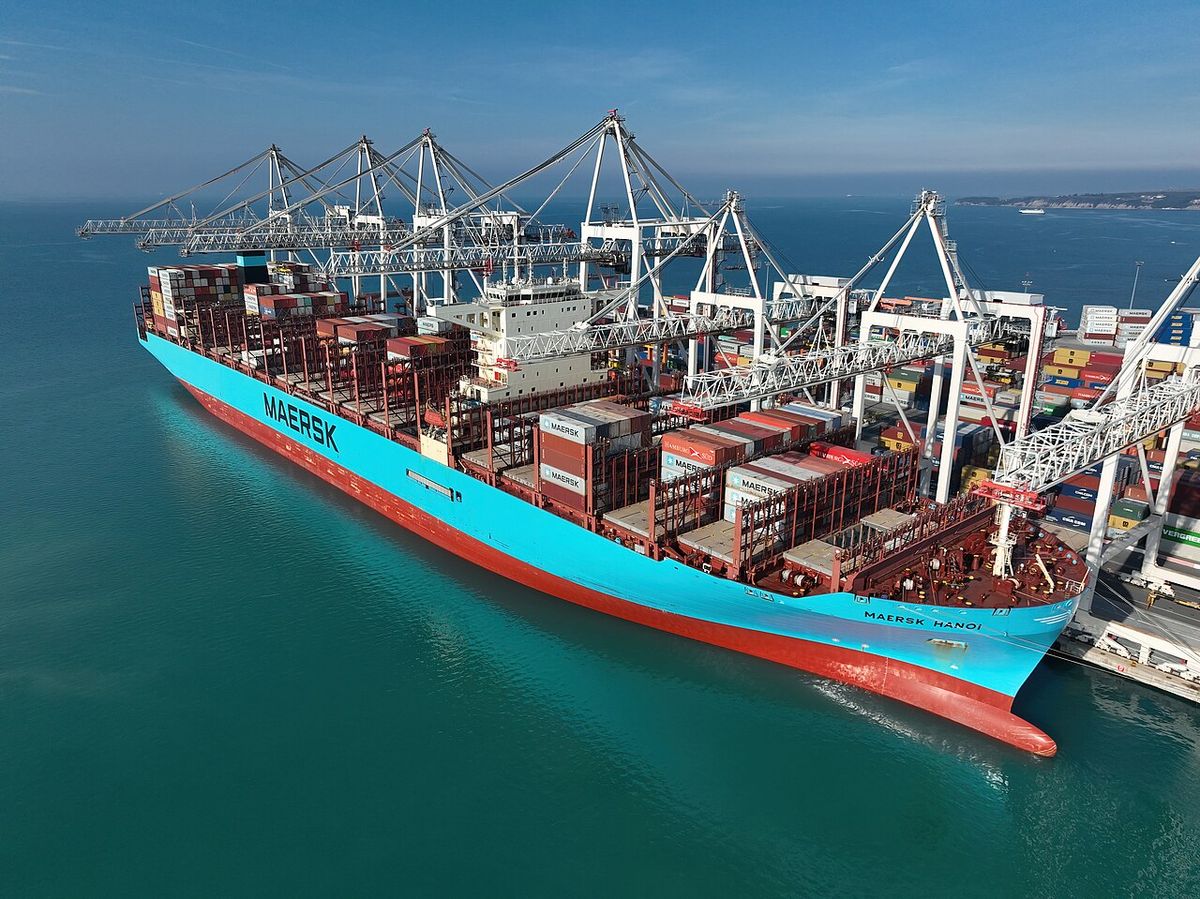
Landed Cost for Imported Metal Parts: What US Buyers Really Pay
Landed cost is the real cost of an imported metal part on your dock: unit price, freight, insurance, duty, brokerage and inland transport. Here is how to build the number before you compare quotes.
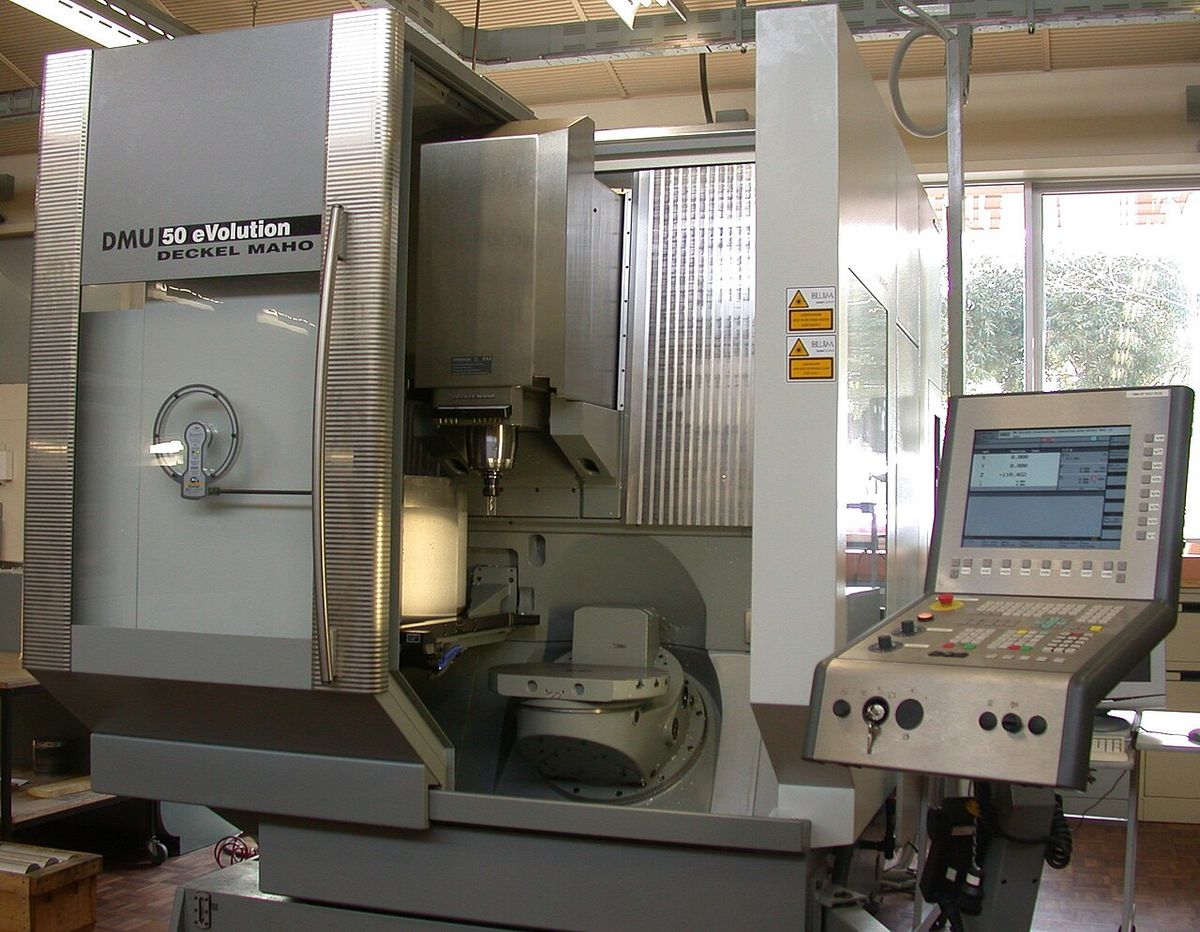
Design for Manufacturability: Cutting the Cost of Custom Metal Parts
Design for manufacturability decides most of a custom metal part’s unit cost before the drawing is released. Here are the tolerance, geometry, material and finish levers that reduce machining cost at no design-stage cost.
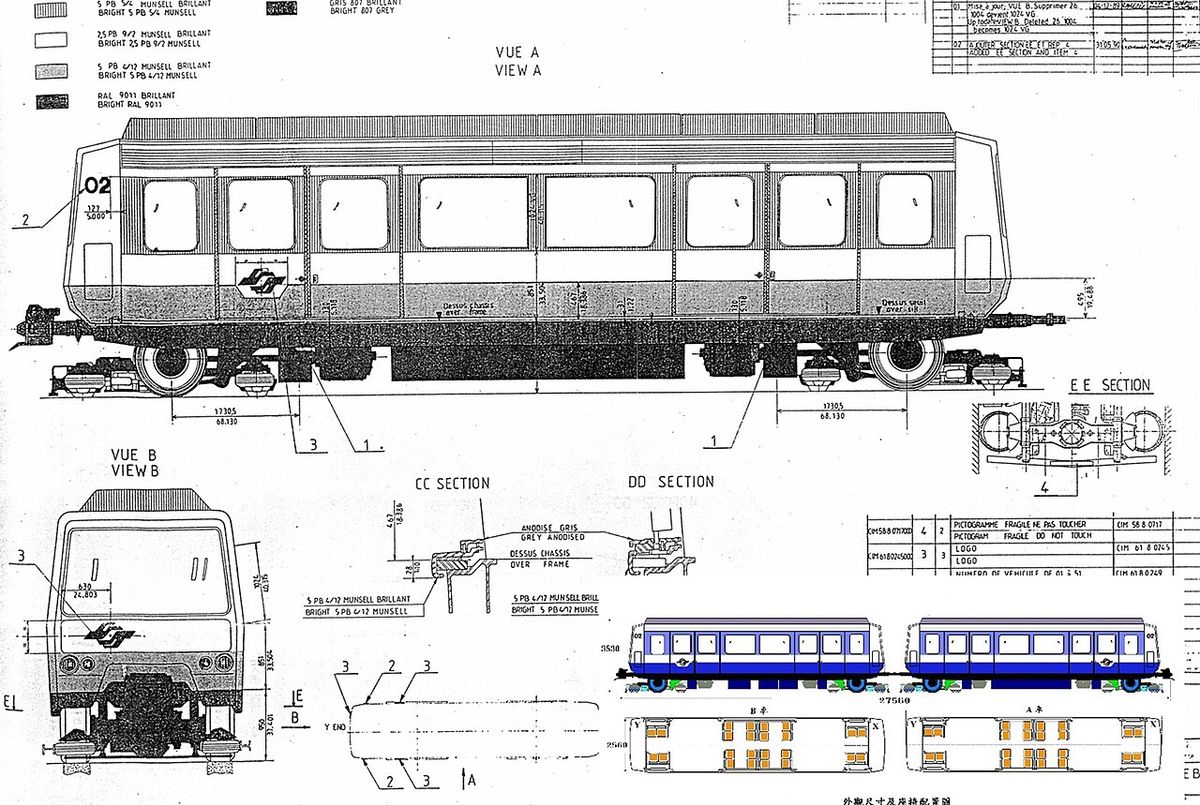
Custom Metal Parts RFQ: What to Send for a Right-First-Time Quote
A complete custom metal parts RFQ needs a dimensioned 2D drawing, a STEP model, material and finish specs, tolerances and annual quantity. Here is what to send an overseas manufacturer to get an accurate quote first time.
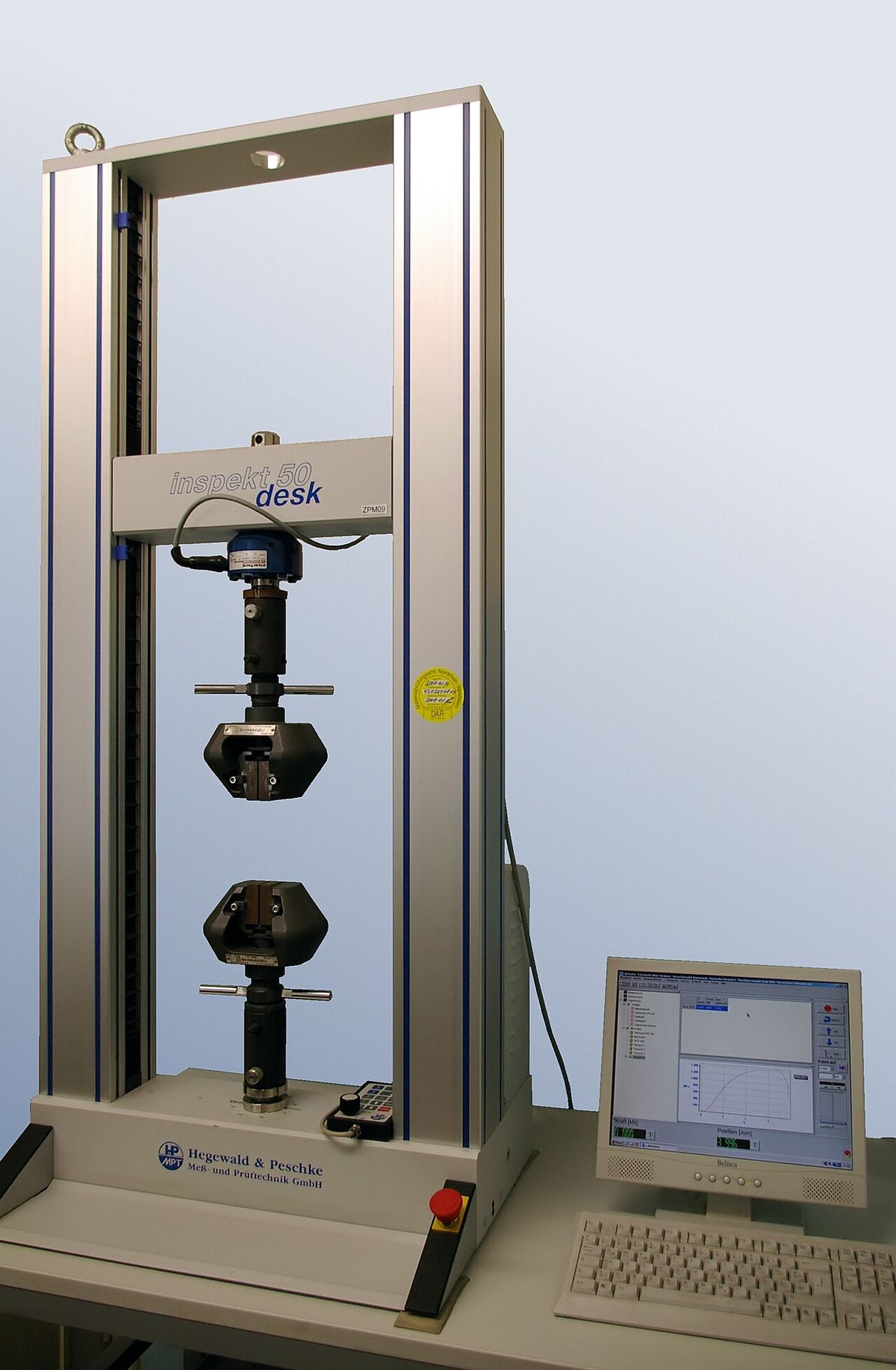
What Does kN Mean? Minimum Breaking Strength vs Working Load Limit
A kN is a unit of force, not mass: 1 kN is about 224.8 lbf, or 101.97 kg under gravity. This guide explains minimum breaking strength, working load limit, safety factors and the three kN marks on a connector.
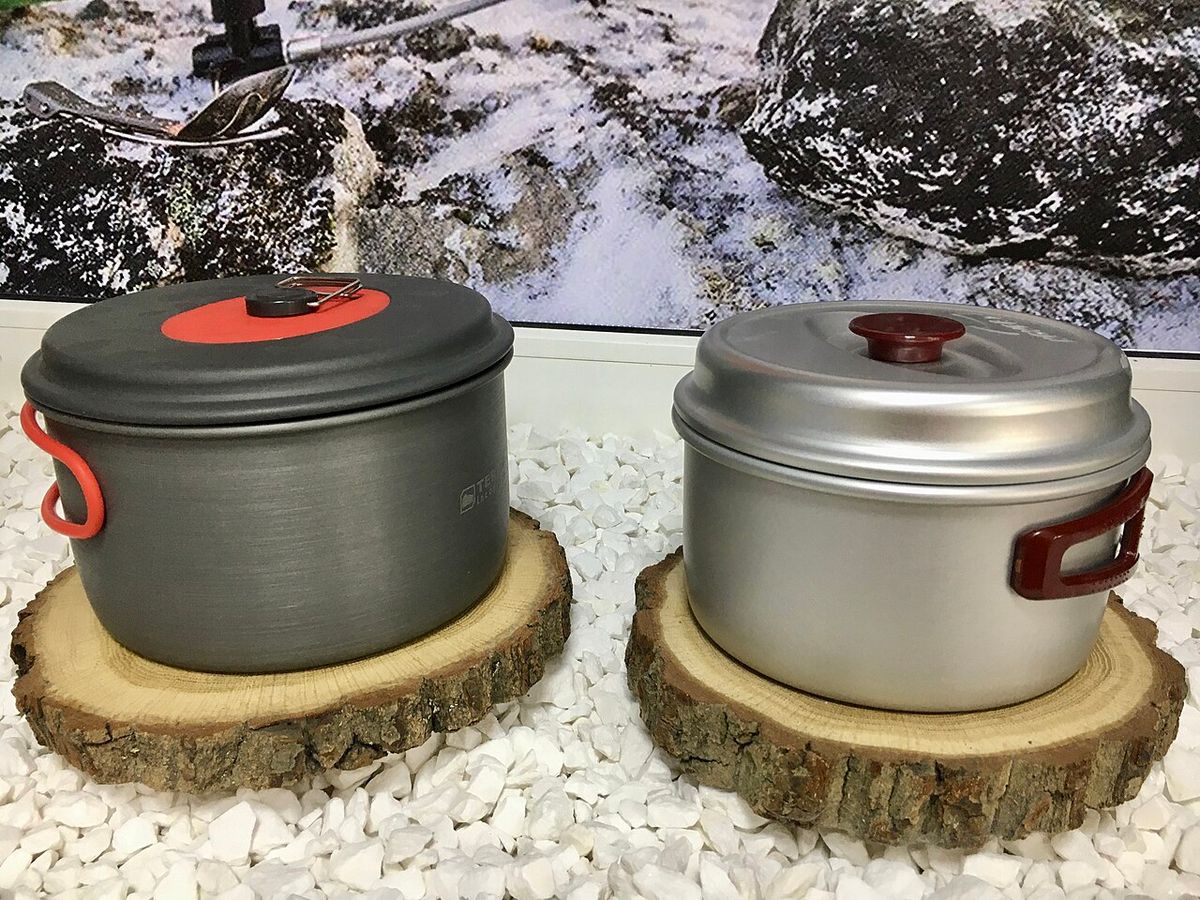
Surface Treatment Guide: Anodising, Plating and Passivation
Choosing a surface treatment for metal parts comes down to the base metal plus the service environment. A practical guide to anodising, plating, passivation, salt spray testing and RoHS compliance.
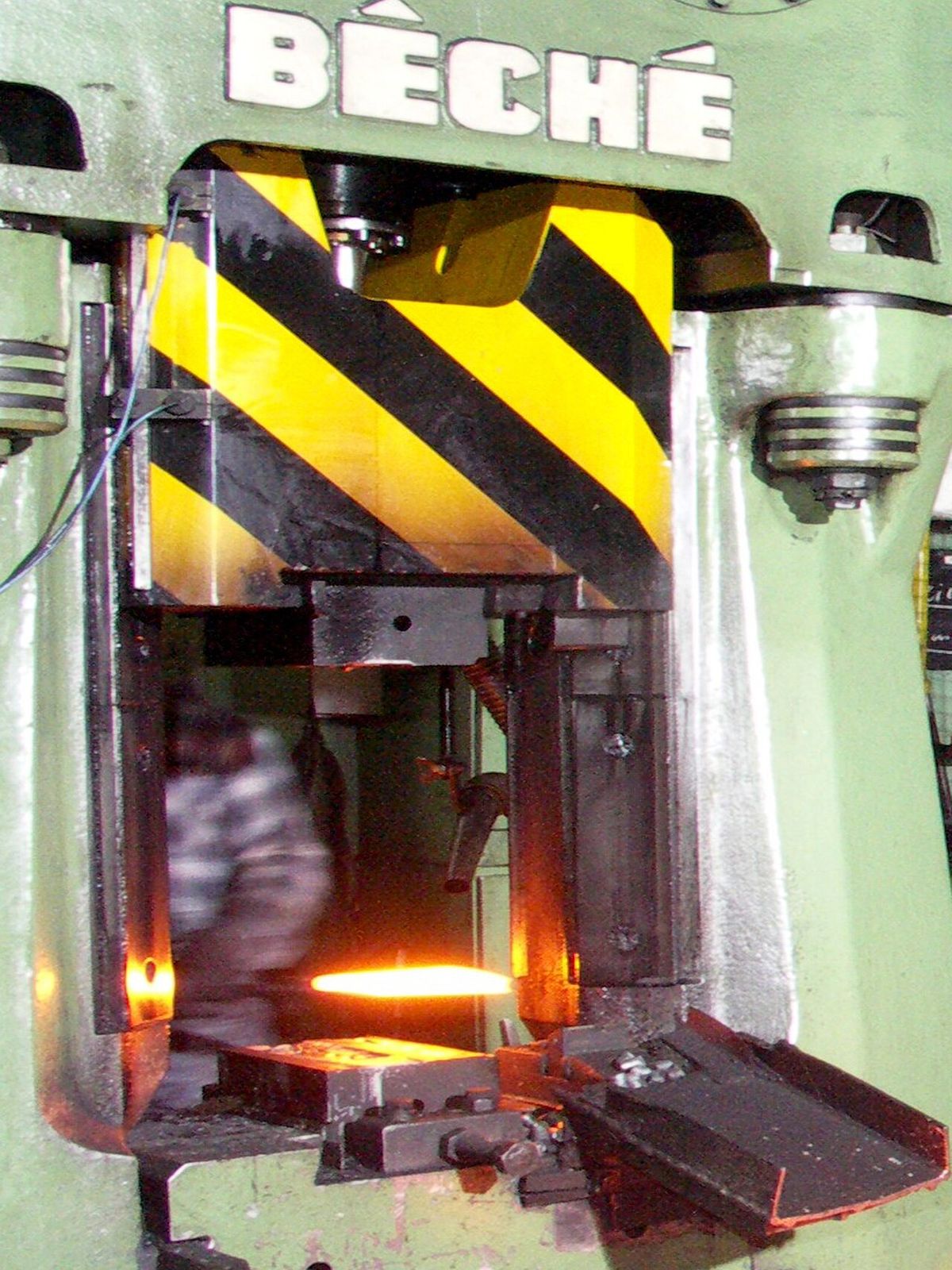
Hot Forging vs Cold Forging for Load-Bearing Safety Hardware
Hot forging vs cold forging comes down to forming above or below the recrystallisation temperature, and that choice drives tolerance, strength, tooling cost and part size. Here is how to choose for forged safety hardware.
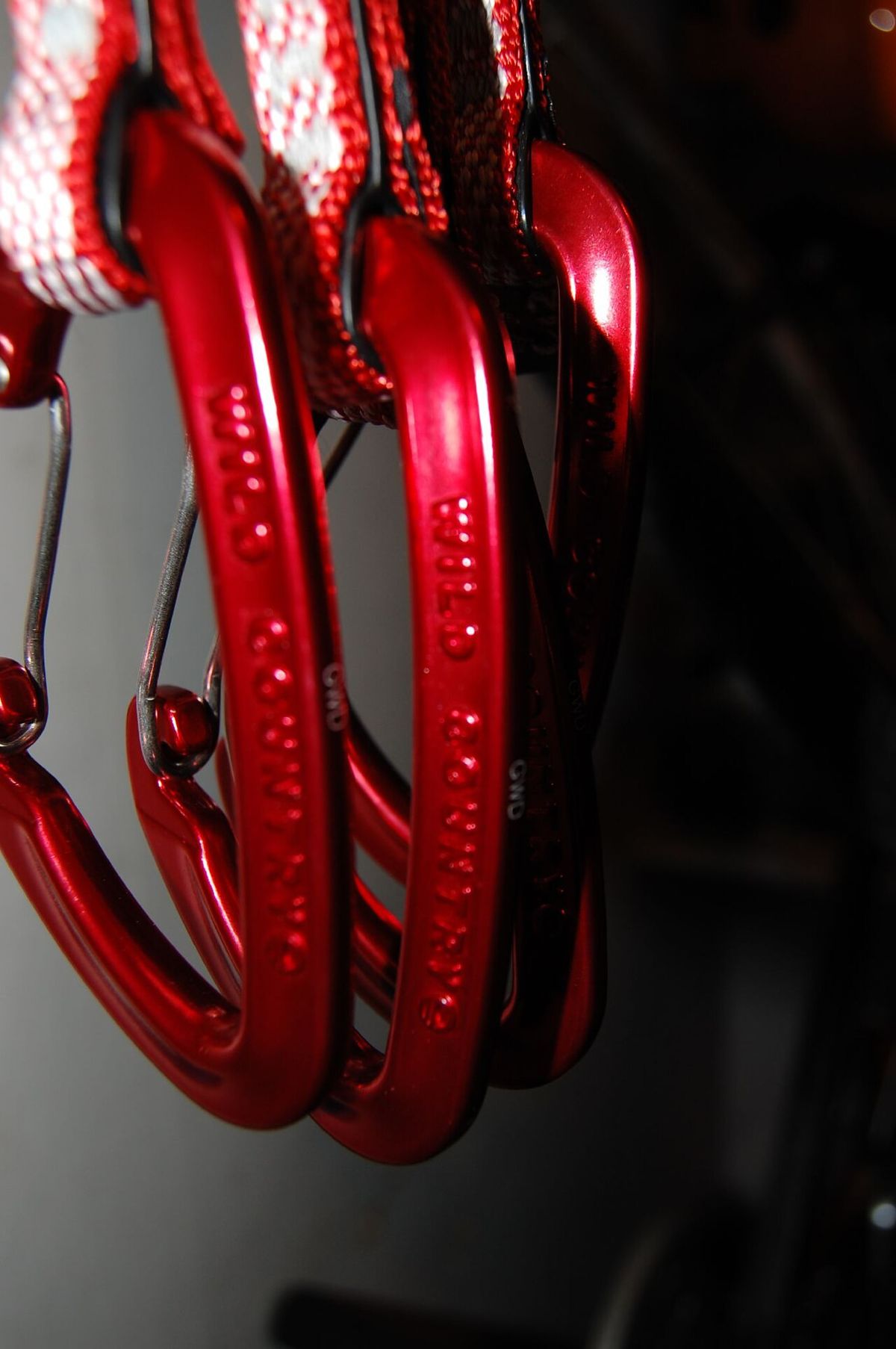
OEM Carabiner Manufacturing: Aluminium vs Steel and Certification
How an OEM carabiner manufacturer chooses between 7075-T6 aluminium and steel, and why the body is hot forged rather than machined. Covers EN 12275, EN 362 and the kN markings on the spine.
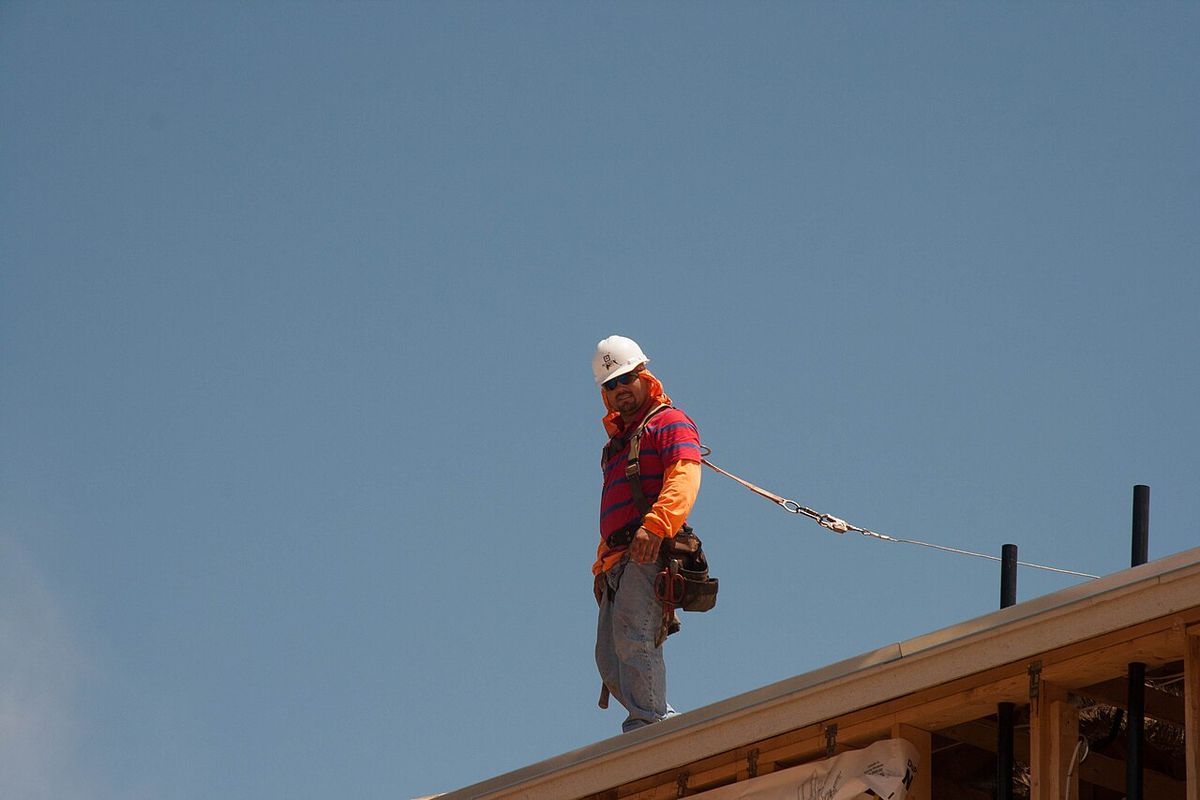
Self-Retracting Lifeline (SRL) Manufacturing: An OEM and Standards Guide
How is a self-retracting lifeline built and certified? A manufacturing guide to SRL brake mechanisms, EN 360 and ANSI/ASSP Z359.14 Class 1 vs Class 2, lifeline media, and what to specify to an OEM.

Sourcing Fall Protection Equipment from Taiwan: A Brand’s OEM/ODM Guide
Why are fall-protection brands sourcing from Taiwan? A procurement-focused guide to Taiwan fall protection manufacturing — products, CE/ANSI certification, supplier qualification, and how to run a China+1 transition without quality risk.
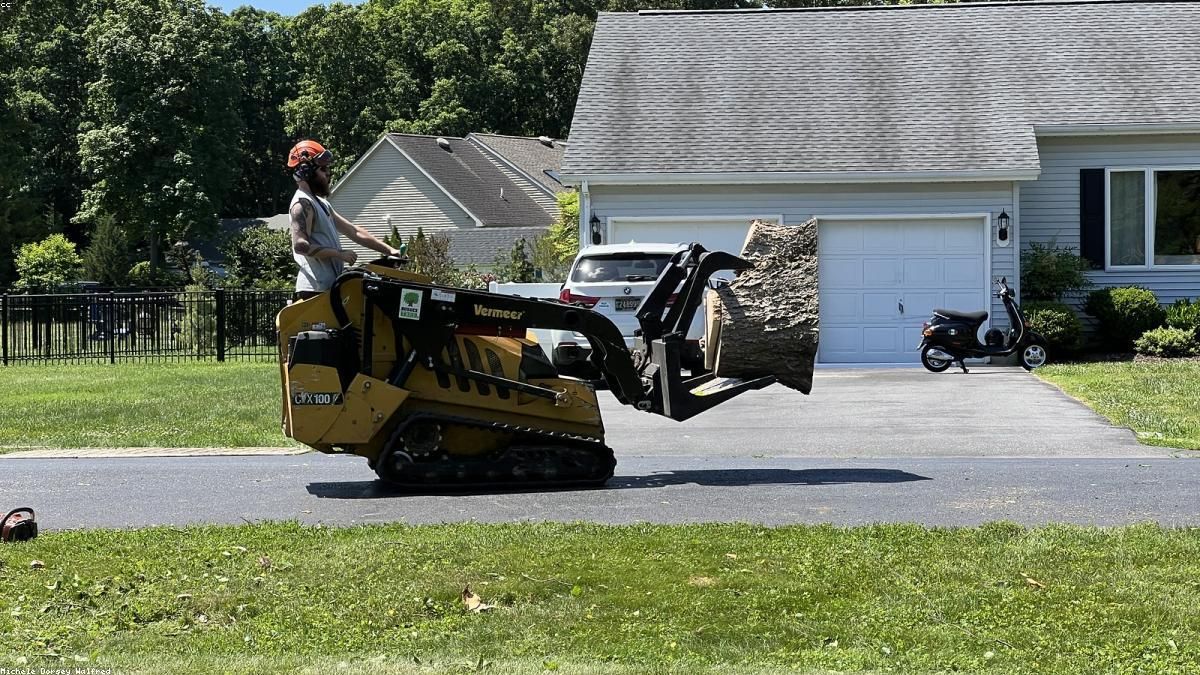
Tree Climbing Gear Manufacturing in Taiwan: An OEM Guide for Arborist Equipment Brands
Arborist and tree-care brands are looking beyond the usual suppliers for tree climbing gear. A guide to Taiwan tree climbing gear manufacturing — the arborist hardware OEM landscape, products, standards, and how to develop a custom range.
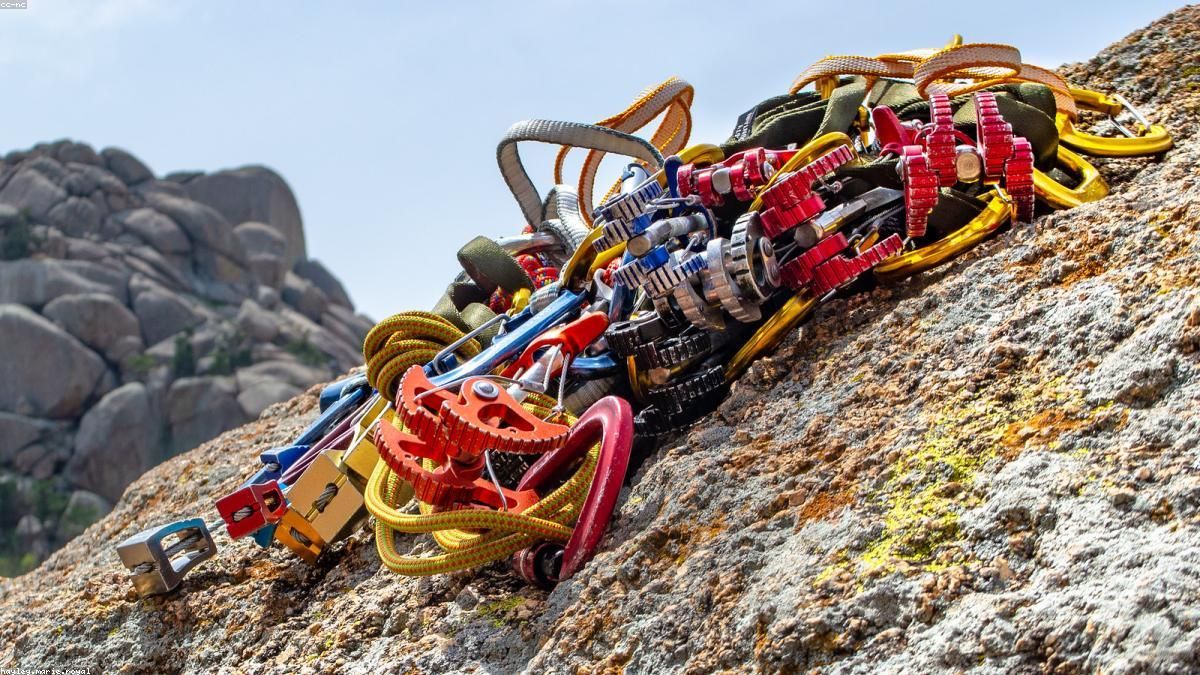
Horizontal vs. Vertical Lifeline Systems: A Fall-Protection Manufacturing Guide
What is the difference between a horizontal and vertical lifeline system, and what does it mean for manufacturing? A technical guide to lifeline types, standards (EN 795, ANSI Z359.6), components, and OEM considerations.
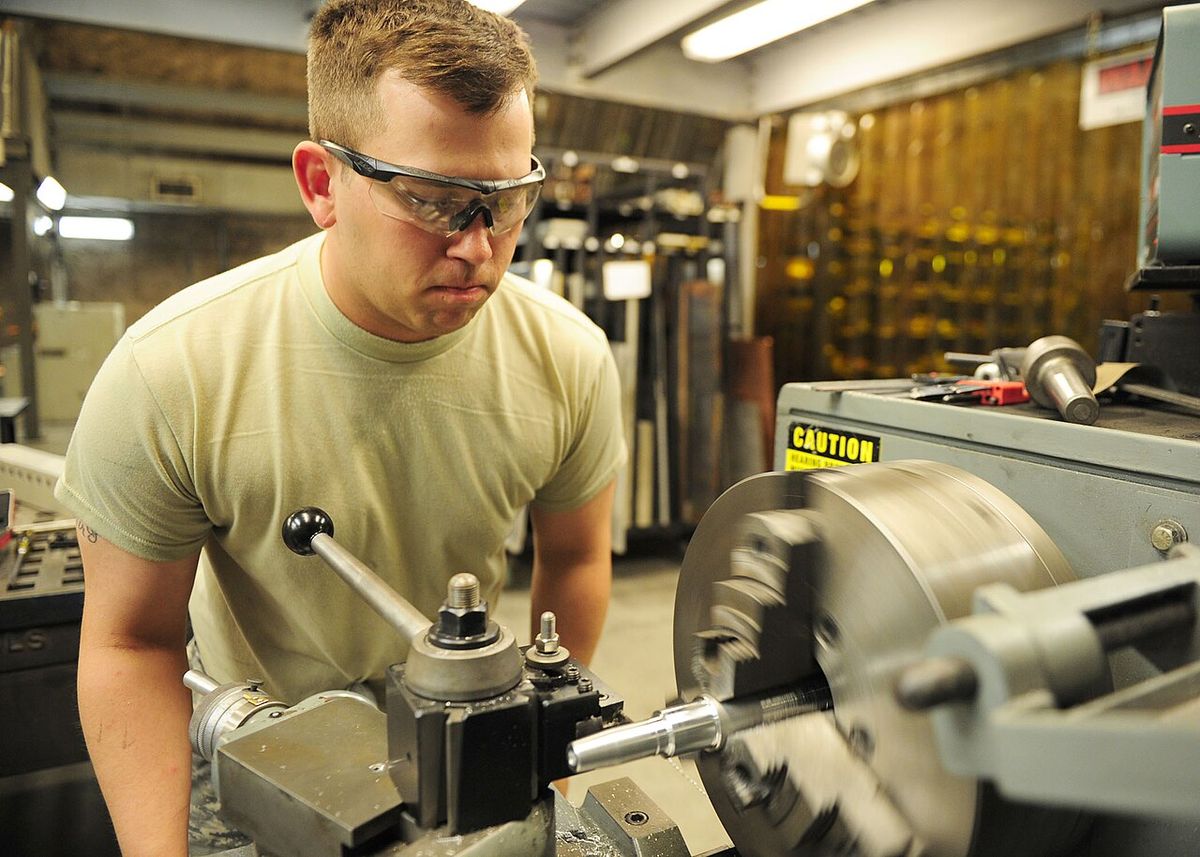
AS9100 and Precision Machining: What Aerospace Quality Systems Require from Suppliers
AS9100 Rev D is the quality management standard for aerospace manufacturing. Here is what it requires beyond ISO 9001 and what it means for precision metal component suppliers.
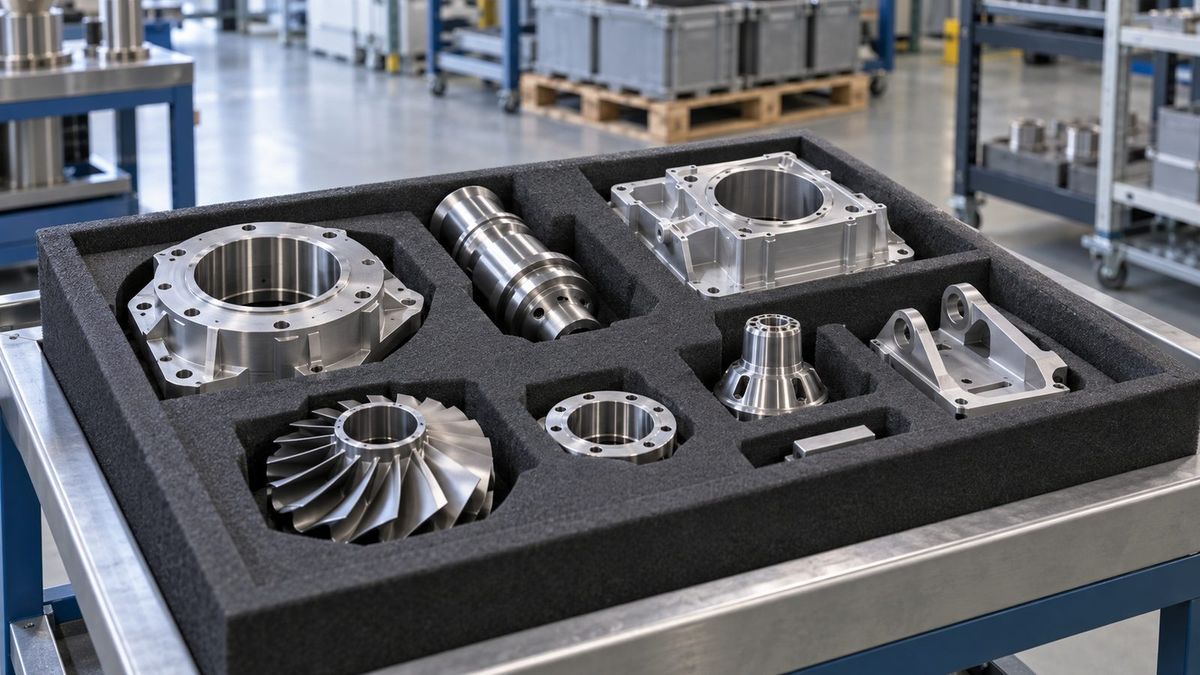
Supply Chain Security for Defense and Aerospace: Why Taiwan Is a Strategic Choice
Defense and aerospace buyers face unique supply chain security requirements. Taiwan manufacturing offers geopolitical alignment, IP protection, and engineering capability that matter for these sectors.
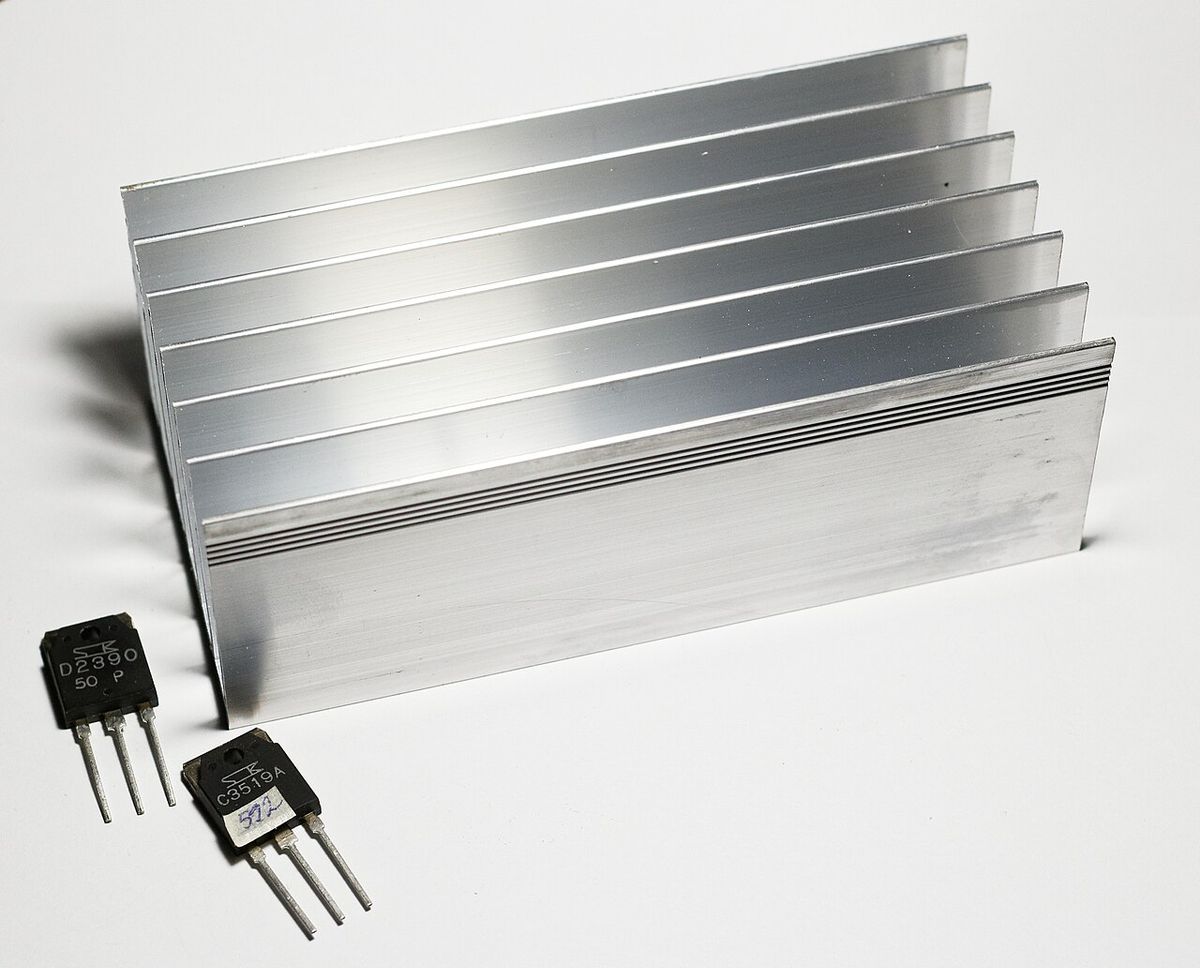
CNC Machining for Data Center Hardware: Tolerances, Materials, and What to Look for in a Supplier
Precision CNC machining for data center and AI server hardware has specific requirements around tolerances, materials, surface finish, and iteration speed. Here is what buyers should evaluate.
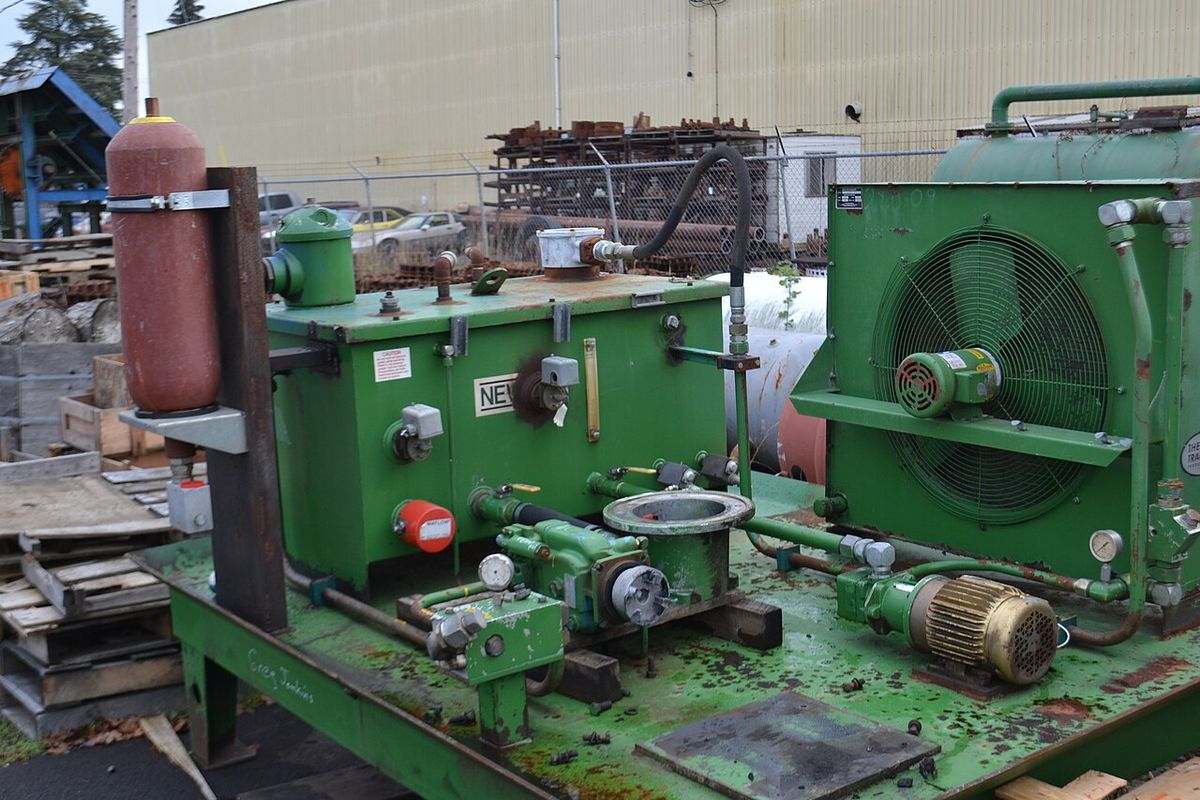
What Does MIL-SPEC Manufacturing Actually Mean for Metal Parts?
MIL-SPEC is not a single certification — it is a family of military standards covering materials, processes, and testing. Here is what it means for precision metal part manufacturing and how Taiwan suppliers approach it.
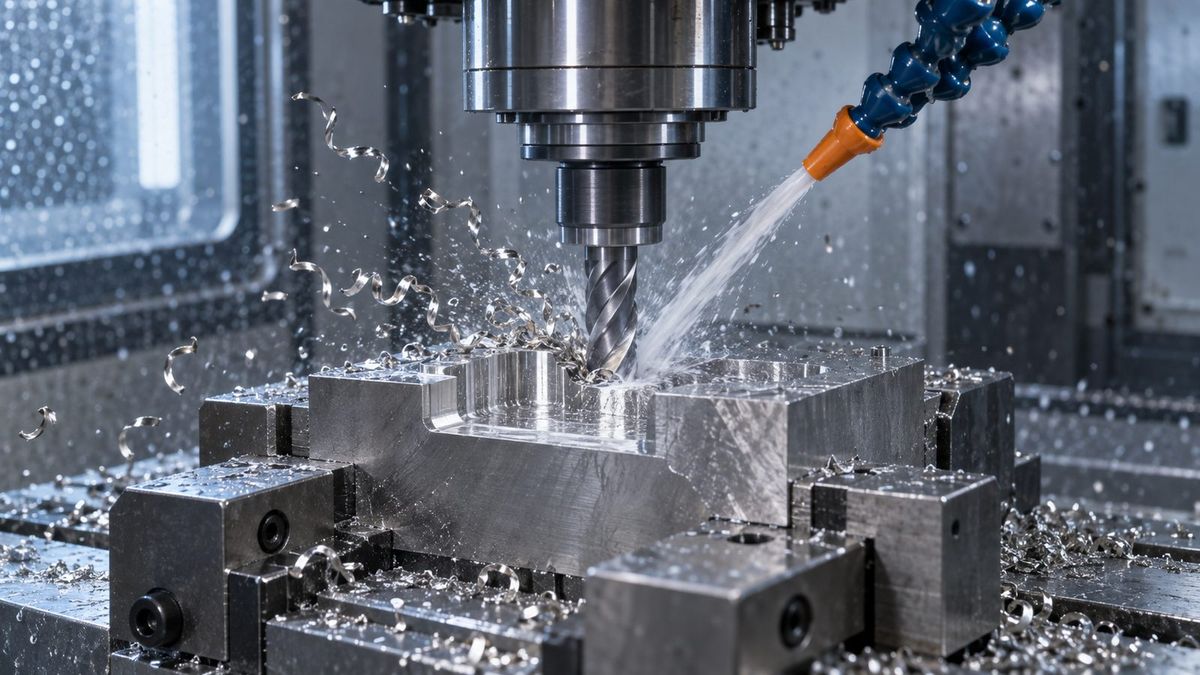
Titanium CNC Machining for OEM Parts: Process, Cost, and When to Specify Ti
Titanium Grade 5 (Ti-6Al-4V) offers extraordinary strength-to-weight ratio but comes with higher machining cost and longer lead times. Here is when to specify titanium and what to expect from the process.

AI Server Hardware: Why Data Center Component Manufacturers Are Looking to Taiwan OEM Partners
The AI infrastructure build-out is driving demand for precision metal server components. Taiwan OEM manufacturers are well-positioned to serve this demand. Here is why.
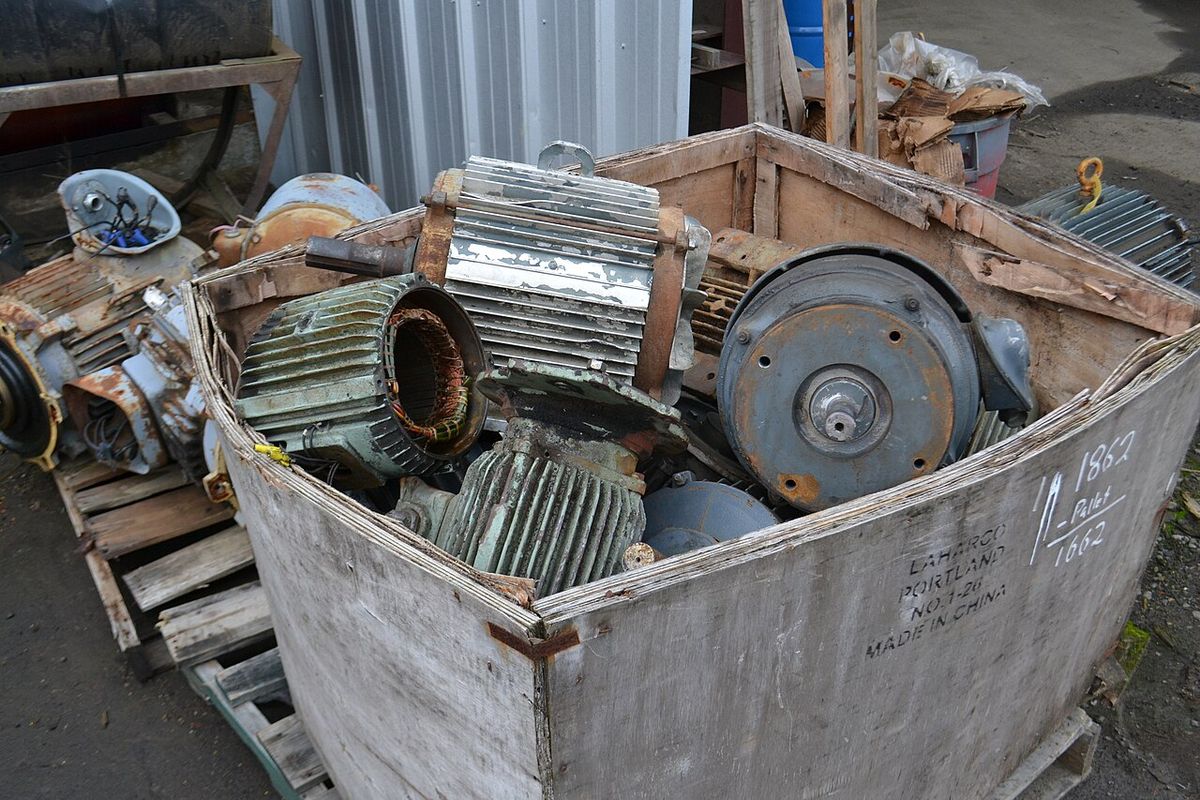
Investment Casting vs. CNC Machining: Choosing the Right Process for Your Metal Part
Which manufacturing process suits your metal part — investment casting or CNC machining? We compare cost, volume, tolerances, lead time, and suitability for safety-critical applications.
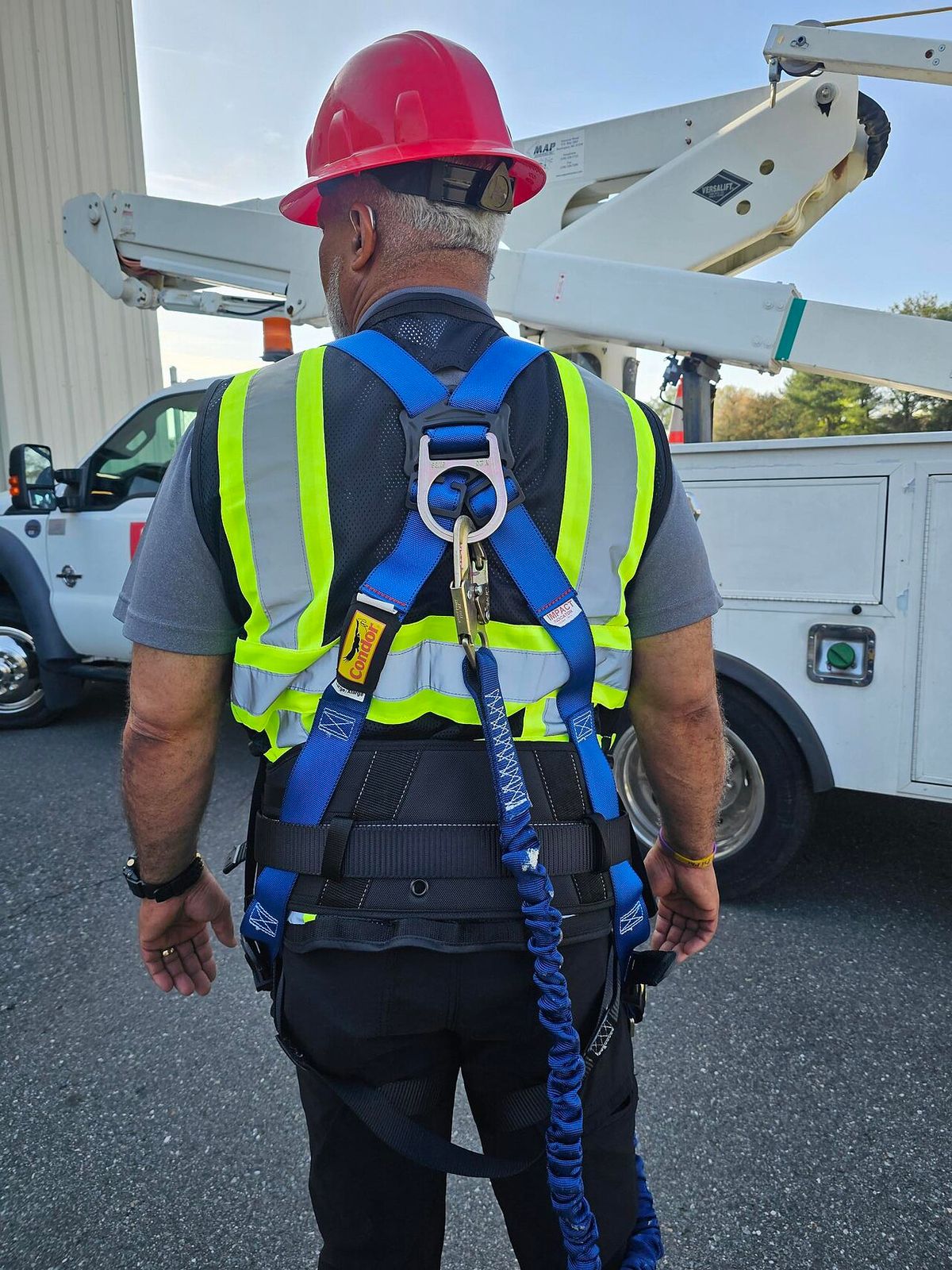
ANSI/ASSP Z359 Fall Protection Standards: A Guide for Brands Entering the US Market
Selling fall protection equipment in the US requires understanding the ANSI/ASSP Z359 series. We explain the key sub-standards, differences from CE, and what they require from manufacturers.
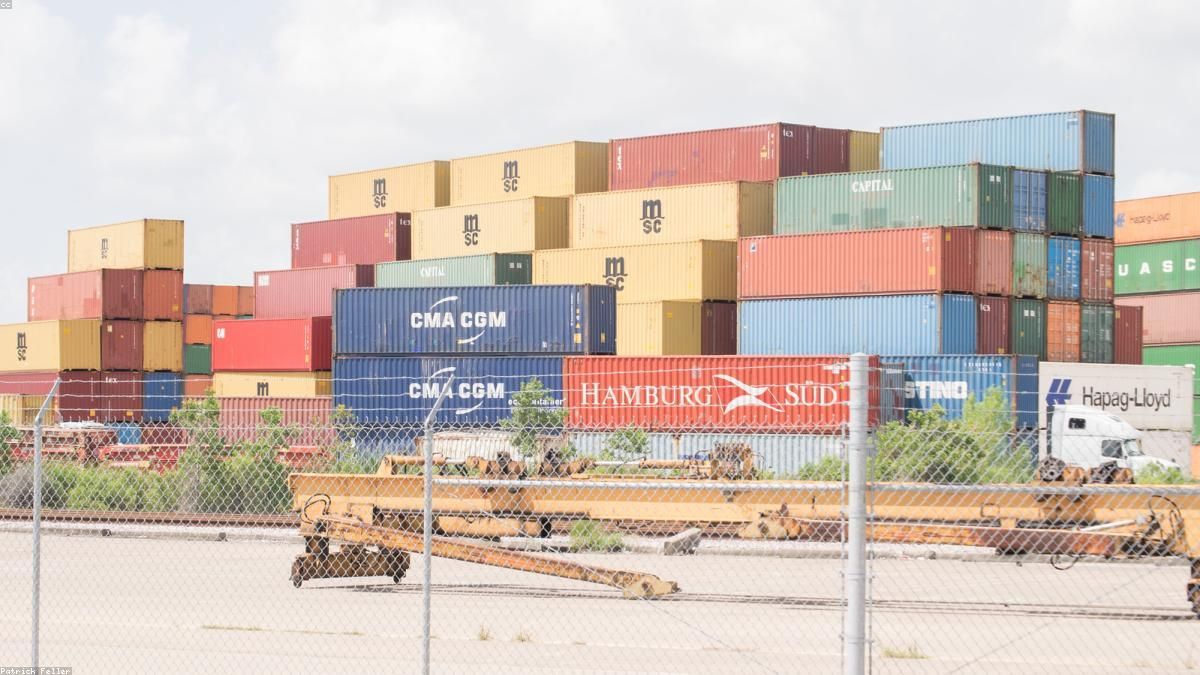
China+1 Strategy: How Taiwan Manufacturing Becomes Your Best Alternative
Why are global brands re-evaluating their supply-chain footprint? A practical look at the advantages, challenges, and real-world execution of Taiwan manufacturing for buyers diversifying their sourcing.
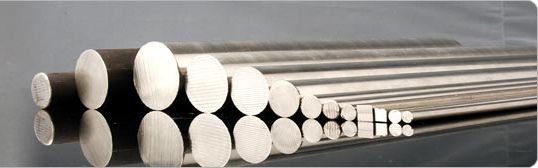
Material Selection Guide: Aluminium, Steel, Stainless, and Titanium for Safety Hardware
Choosing the right material for load-bearing safety hardware involves balancing weight, strength, corrosion resistance, cost, and certification test requirements. Here is a practical comparison.

OEM vs. ODM: What You Must Know Before You Choose
Many brands are unsure which manufacturing model fits them. We explain the real differences between OEM and ODM, when each applies, and how an integrated model lowers development risk.
Minimum Order Quantities in OEM Manufacturing: What New Brands Need to Know
MOQ is one of the most confusing aspects of OEM manufacturing for new brands. We explain why MOQs exist, what drives them by process type, and how to think about pilot-run economics.

The Complete CE Guide: EU PPE Regulation 2016/425 Explained
To sell personal protective equipment in Europe, CE certification is mandatory. This guide covers the scope of the EU PPE Regulation, certification categories, the testing process, and documentation requirements.
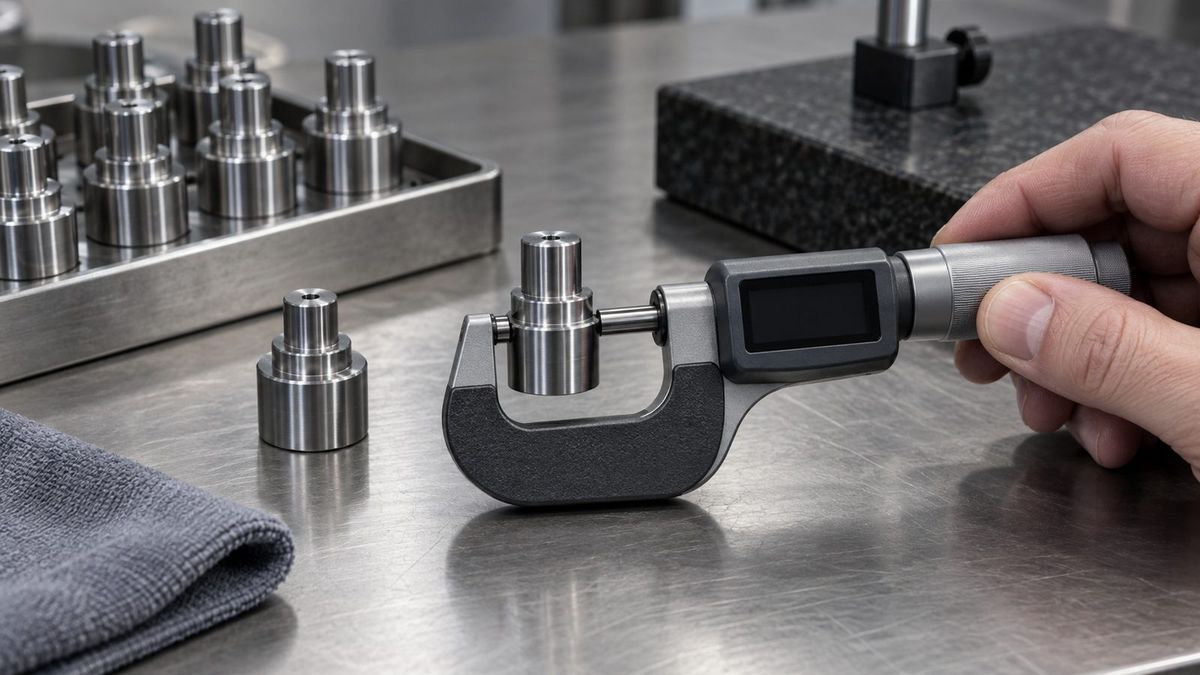
IQC, IPQC, OQC: Understanding the Three Stages of Manufacturing Quality Control
Robust quality control in OEM manufacturing runs in three stages: incoming (IQC), in-process (IPQC), and outgoing (OQC). Here is what each covers and what to look for in your supplier.

What Is UIAA Certification? Essential Standards for Climbing Gear
UIAA is one of the most important certification standards for climbing equipment worldwide. We cover its importance, applicable products, test standards, and how certification is obtained.
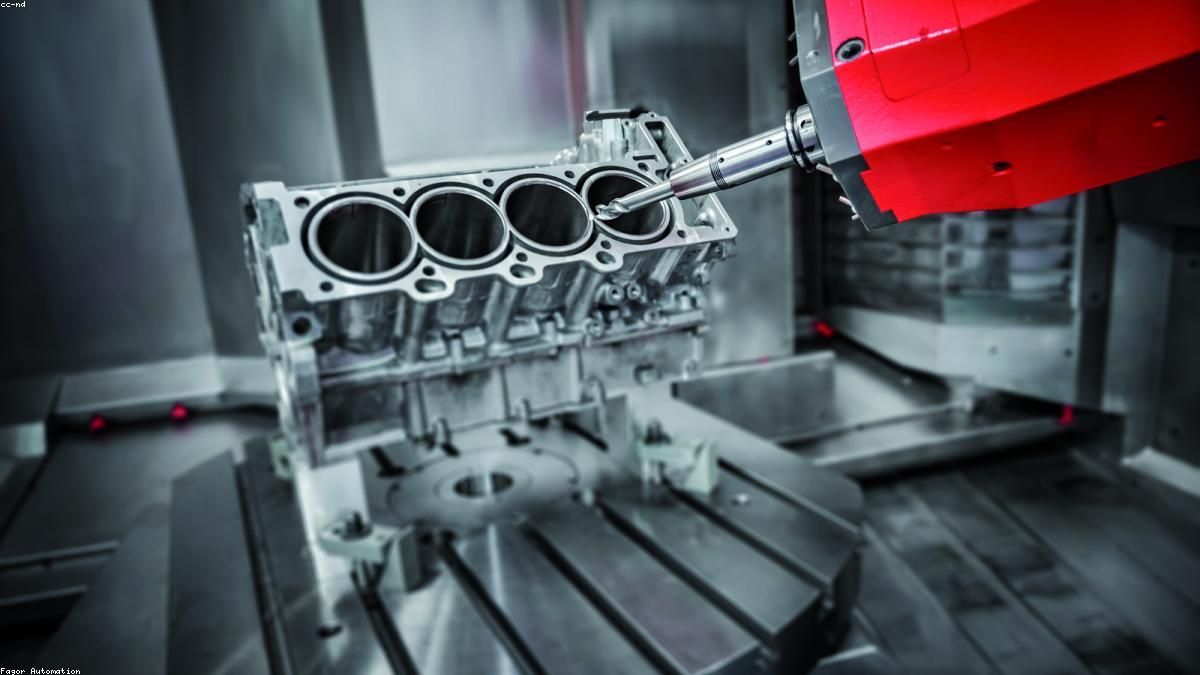
From Prototype to Production: 5 Key Risks to Manage
Many brands hit unexpected problems moving from prototype to volume, leading to delays and cost overruns. We outline the five most common production risks and how to prevent them early.
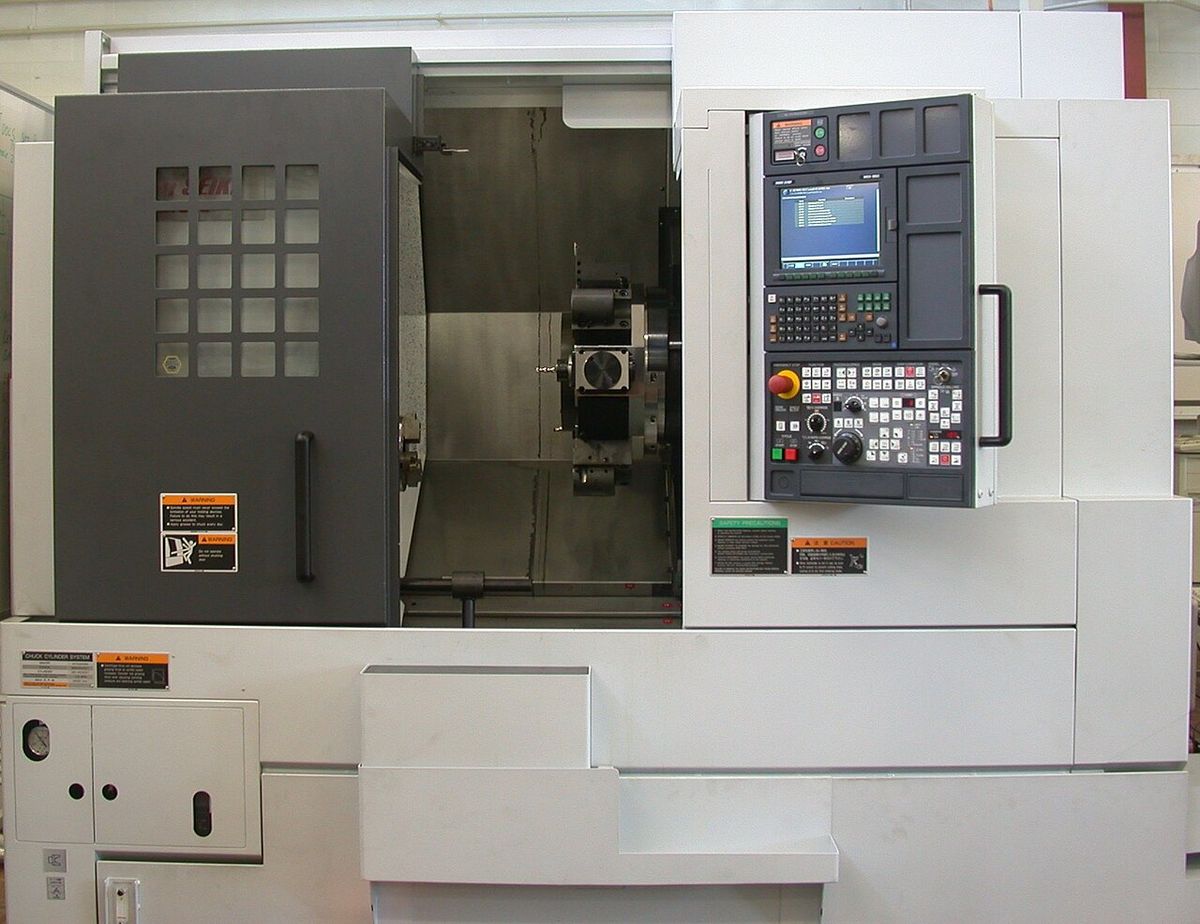
Taiwan Precision Metal Manufacturing: A Buyer's Guide
Taiwan is one of Asia's leading precision metal manufacturing centres. Here is what buyers need to understand about process capabilities, supplier quality tiers, IP protection, and how to find the right partner.
How to Evaluate Whether a Taiwan OEM Factory Is Reliable
What should a reliable manufacturing partner meet? A concrete checklist of factory-evaluation dimensions to help buyers reduce supplier-selection risk.