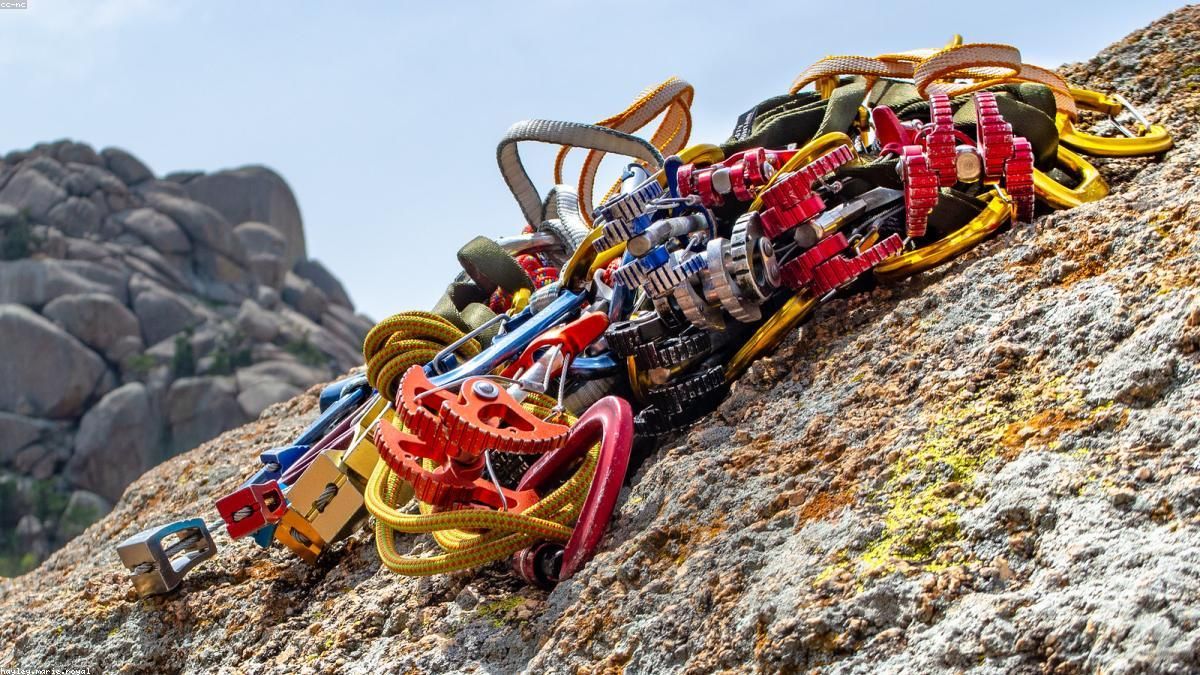
A lifeline is a flexible anchor line — a rope, cable, or rail — that a worker connects to for continuous fall protection while moving at height. Lifeline systems split into two families, horizontal and vertical, and the distinction shapes the engineering, the applicable standards, and the hardware a manufacturer must produce. This guide is for fall-protection brands and engineers specifying or sourcing lifeline systems.

What is a horizontal lifeline system?
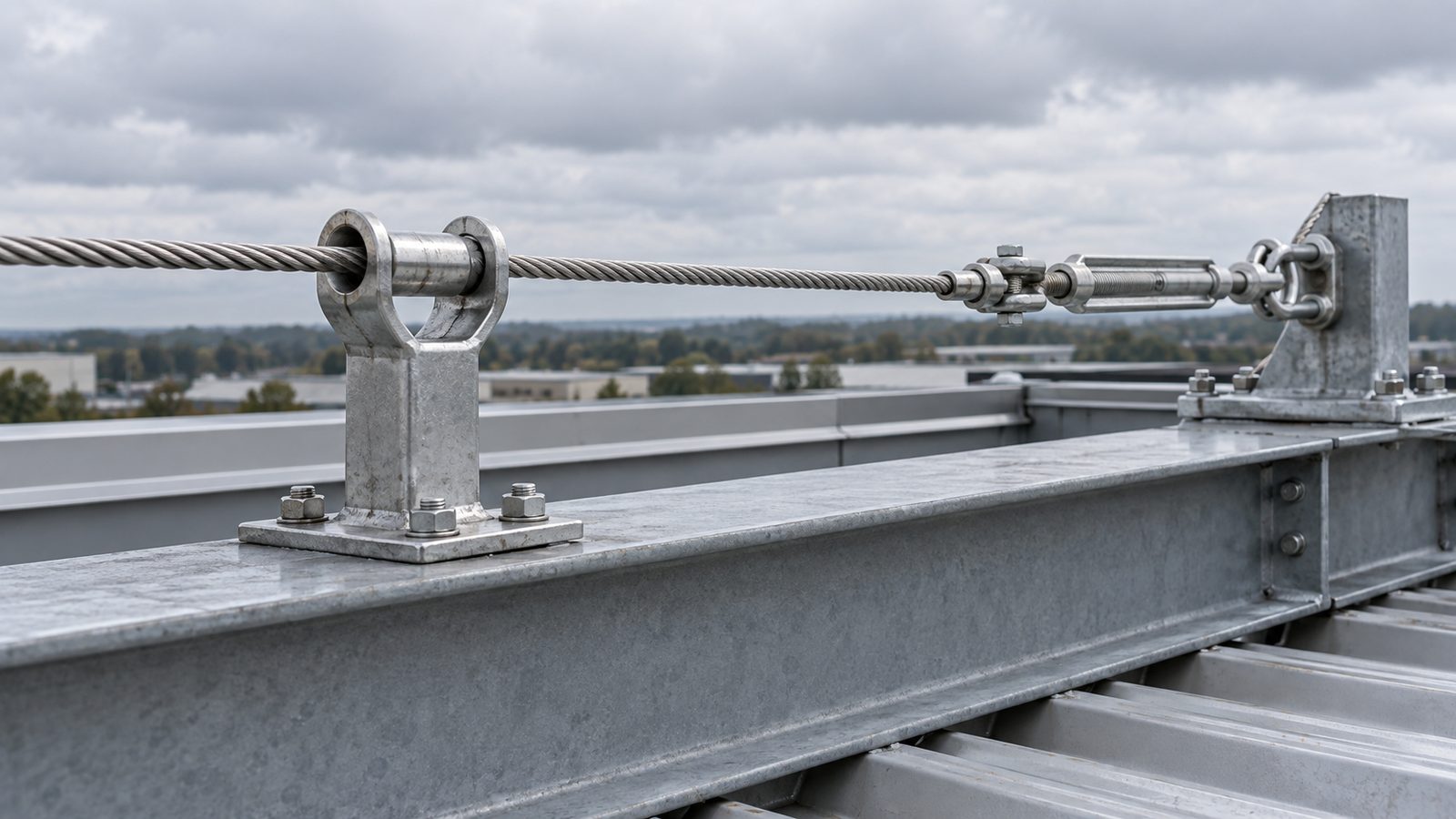
A horizontal lifeline (HLL) runs roughly parallel to the walking surface and lets a worker move side to side while staying attached. It is used on rooftops, bridges, rail cars, and assembly lines. Key characteristics:
- Spans between two end anchors, often with intermediate brackets
- Requires a tensioning device and an energy absorber to manage dynamic loads and span deflection
- Engineering must account for the large forces transmitted to end anchors during a fall
Core hardware: end anchors, intermediate anchors, tensioners, shock/energy absorbers, swageless terminals, and traveller/shuttle devices that pass intermediate brackets without disconnection.
What is a vertical lifeline system?
A vertical lifeline (VLL) runs up and down, protecting workers climbing ladders, towers, or shafts. Key characteristics:
- A single anchored line (rope or cable) with a rope grab / cable grab / fall arrester that follows the climber
- The arrester locks on sudden load, arresting a fall within a short distance
- Common in tower climbing, tank work, and fixed-ladder access
Core hardware: top and bottom anchors, the cable or rope, guided-type fall arresters (rope grabs / cable grabs), tensioners, and intermediate cable guides.
Which standards govern lifeline systems?
- Europe: EN 795 covers anchor devices, including types C (flexible horizontal) and D (rigid rail). EN 353-1/-2 covers guided-type fall arresters on rigid and flexible anchor lines (vertical). EN 354/355 cover lanyards and energy absorbers.
- United States: ANSI/ASSP Z359.6 covers the design of active fall-protection systems including HLLs and VLLs; Z359.15 covers single-anchor flexible vertical lifelines. OSHA 1926 sets the legal baseline.
Because lifeline systems are engineered assemblies, certification often combines component certification with system-level design verification — a meaningful distinction from certifying a single carabiner.
What does this mean for manufacturing?
Lifeline hardware concentrates load in a few critical components, so manufacturing rigor matters:
- End and intermediate anchors: forged or machined high-strength steel/stainless, proof-load tested
- Energy absorbers: consistent, validated deployment force — requires tight process control
- Rope/cable grabs: precision machining of the locking cam and housing; 100% functional and proof-load testing per Z359.12 expectations
- Material traceability: heat/lot records for every load-bearing part, essential for both EN and ANSI documentation
A manufacturer producing lifeline hardware needs in-house CNC machining, forging, heat treatment, tensile and proof-load testing, and disciplined IQC/IPQC/OQC — the same precision-metal backbone that underpins certified connector production.
Working with Power Honour
Power Honour manufactures fall-protection and lifeline-system hardware in Taiwan — connectors, rope and cable grabs, anchors, and energy-absorber components — to EN 795/353/362 and ANSI/ASSP Z359 expectations, with in-house proof-load testing and full material traceability. If you are developing or re-sourcing a horizontal or vertical lifeline system, send us the component drawings or system spec and we will assess capability and certification fit.