Mountaineering & Climbing Hardware
Carabiners & Quickdraws
40 products
This category covers aluminium carabiners and quickdraws for climbing and mountaineering. Non-locking bent-gate, straight-gate and wire-gate carabiners are built for quickdraws and racking, while screw-gate and twist-lock models serve belaying, anchors and lanyards; many have snag-free keylock noses. Most models are aluminium alloy, with the A004WR and the A750 series in 7075 aluminium, and most list major-axis breaking strengths of 22 to 25 kN. The A712QD, A715QD and A750QD quickdraws combine series carabiners with nylon slings in 11, 17 and 25 cm lengths, and a few lower-rated accessory carabiners are included for non-climbing use. Climbing carabiners sold in Europe are generally expected to meet EN 12275, and quickdraw slings EN 566. Every model can be supplied OEM or private label, with marking, colour and packaging to the brand owner's specification.
Products
40 products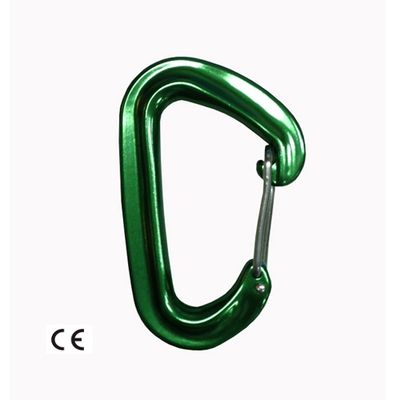 A004WR
 7075 Aluminium Wire-Gate Carabiner
The A004WR is a compact wire-gate carabiner with a 7075 aluminium body and an SS304 stainless steel wire gate, weighing 20 g. It is built for lightweight climbing quickdraws and gear racking, and is rated 22 kN on the major axis.
View product A103KSGP
 Aluminium Screw-Lock Accessory Carabiner with Pin
The A103KSGP is an anodised aluminium alloy screw-lock carabiner fitted with a pin, with a 10 kN minimum breaking strength and a weight of 31 g. It is an accessory carabiner for attaching straps, leads and light equipment, not for climbing.
View product A103KTL
 Aluminium Twist-Lock Accessory Carabiner
The A103KTL is a compact aluminium alloy twist-lock carabiner with an anodised finish, a 10 kN minimum breaking strength and a weight of 30 g. Its rating suits equipment and accessory attachment; it is not for climbing or fall protection.
View product A104KTL
 Lightweight Aluminium Twist-Lock Carabiner
The A104KTL is a lightweight aluminium alloy carabiner with a twist-lock gate, rated at an 8 kN working capacity. It suits equipment and accessory attachment where a self-locking gate adds security.
View product A11094WR
 Aluminium Wire-Gate Carabiner
The A11094WR is an aluminium alloy wire-gate carabiner weighing 30 g, rated 25 kN on the major axis and 8 kN for minor-axis and gate-open loading. It is designed for climbing quickdraws and racking, where a light wire gate and a 20 mm opening make clipping quick.
View product A11098KNB
 Aluminium Keylock Bent-Gate Carabiner
The A11098KNB is a non-locking aluminium alloy carabiner with a bent gate and a keylock nose, rated 25 kN on the major axis. Its 23 mm gate opening and curved gate suit the rope end of climbing quickdraws.
View product A11098KNS
 Aluminium Keylock Straight-Gate Carabiner
The A11098KNS is a non-locking aluminium alloy straight-gate carabiner with a keylock nose, weighing 40 g and rated 25 kN on the major axis. It is the bolt-end companion to the bent-gate A11098KNB in climbing quickdraws and also serves as a racking carabiner.
View product A11098KSG
 Aluminium Keylock Screw-Gate Carabiner
The A11098KSG is a locking aluminium alloy carabiner with a screw gate and keylock nose, rated 25 kN on the major axis and weighing 50 g. It is used where a carabiner must not open accidentally, such as belay, anchor and lanyard connections in climbing.
View product A2447KSG
 Aluminium Screw-Lock Carabiner
The A2447KSG is an anodised aluminium alloy screw-lock carabiner with a 25 kN minimum breaking strength and a weight of 78 g. It is a full-strength locking connector for climbing anchors, belaying and general rope work.
View product A2447KTL
 Aluminium Twist-Lock Carabiner
The A2447KTL is an anodised aluminium alloy twist-lock carabiner with a 25 kN minimum breaking strength and a weight of 84 g. Its auto-locking gate suits belaying, anchors and other connections that are clipped and unclipped frequently.
View product A2448SG
 Aluminium Screw-Gate Carabiner
The A2448SG is an aluminium alloy screw-gate carabiner with a 22 kN major-axis breaking strength and 8 kN minor-axis and gate-open ratings. At 80 g it is a full-size locking connector for climbing anchors, belaying and general rope work.
View product A2448TL
 Aluminium Twist-Lock Carabiner
The A2448TL is an aluminium alloy twist-lock carabiner rated 22 kN on the major axis, with a 22.63 mm gate opening and a weight of 90 g. Its auto-locking sleeve suits repeated clipping at belay stations, anchors and in rope work.
View product A2480SG
 Aluminium Screw-Gate Carabiner
The A2480SG is a large aluminium alloy screw-gate carabiner with a 24 mm gate opening, a 22 kN major-axis breaking strength and a weight of 70 g. Its wide opening makes it practical for clipping thick ropes, several slings or rigging points.
View product A2480TL
 Aluminium Twist-Lock Carabiner
The A2480TL is an aluminium alloy twist-lock carabiner with a 24 mm gate opening and a 22 kN major-axis breaking strength, weighing 80 g. The auto-locking gate and wide opening suit belay stations, anchors and rigging connections.
View product A2550KSG
 Aluminium Keylock Screw-Gate Carabiner
The A2550KSG is an aluminium alloy screw-gate carabiner with a keylock nose, rated 25 kN on the major axis and 9 kN for minor-axis and gate-open loading. Weighing 70 g, it is a general-purpose locking carabiner for climbing anchors, belaying and lanyards.
View product A2550KTL
 Aluminium Keylock Twist-Lock Carabiner
The A2550KTL is an aluminium alloy twist-lock carabiner with a keylock nose, rated 25 kN on the major axis, with a 19 mm gate opening and a weight of 80 g. Its auto-locking gate suits belaying, anchors and other connections that are opened and locked repeatedly.
View product A2552NB
 Aluminium Bent-Gate Carabiner
The A2552NB is a non-locking aluminium alloy carabiner with a bent gate, rated 25 kN on the major axis and 9 kN for minor-axis and gate-open loading. At 55 g with a 22 mm opening, it is designed for the rope end of climbing quickdraws.
View product A2552NS
 Aluminium Straight-Gate Carabiner
The A2552NS is a non-locking aluminium alloy straight-gate carabiner rated 25 kN on the major axis, with a 21 mm gate opening and a weight of 55 g. It serves as the bolt-end carabiner of climbing quickdraws and as a general racking carabiner.
View product A2552SG
 Aluminium Screw-Gate Carabiner
The A2552SG is an aluminium alloy screw-gate carabiner rated 25 kN on the major axis and 9 kN for minor-axis and gate-open loading, weighing 70 g with an 18 mm opening. It is a compact locking carabiner for belaying, anchors and personal lanyards.
View product A712NB
 Aluminium Bent-Gate Carabiner
The A712NB is a non-locking aluminium alloy bent-gate carabiner with a wide 26 mm gate opening, rated 23 kN on the major axis and 7 kN for minor-axis and gate-open loading. Weighing 55 g, it is used as the rope-end carabiner of climbing quickdraws.
View product A712NS
 Aluminium Straight-Gate Carabiner
The A712NS is a non-locking aluminium alloy straight-gate carabiner rated 23 kN on the major axis, with a 22 mm gate opening and a weight of 55 g. It is designed for the bolt end of climbing quickdraws and for racking gear.
View product A712QD
 Aluminium Quickdraw with Nylon Sling
The A712QD is a climbing quickdraw made of two aluminium alloy A712-series carabiners joined by a nylon sling, offered in 11, 17 and 25 cm lengths. The carabiners are rated 23 kN and the webbing 22 kN, making it a ready-to-brand draw for sport and trad climbing.
View product A712SG
 Aluminium Screw-Gate Carabiner
The A712SG is the locking screw-gate carabiner of the A712 series, made from aluminium alloy, rated 23 kN on the major axis and weighing 60 g. It is used for belaying, anchors and other climbing connections that need a locked gate.
View product A712WRB
 Aluminium Wire-Gate Carabiner
The A712WRB is an aluminium alloy wire-gate carabiner from the A712 series, with a 30 mm gate opening, a 23 kN major-axis rating and a weight of 50 g. It is designed for lightweight climbing quickdraws and racking.
View product A712WRS
 Aluminium Wire-Gate Carabiner
The A712WRS is a 50 g aluminium alloy wire-gate carabiner with a 30 mm gate opening and a 23 kN major-axis breaking strength. It suits lightweight quickdraws, alpine racking and other climbing uses where low weight and easy clipping count.
View product A713KSG
 Aluminium Keylock Screw-Gate Carabiner
The A713KSG is a large aluminium alloy screw-gate carabiner with a keylock nose, rated 25 kN on the major axis and 9 kN for minor-axis and gate-open loading. At 90 g with a 22.5 mm opening, it is a heavy-duty locking carabiner for anchors, belaying and rigging.
View product A713KTL
 Aluminium Keylock Twist-Lock Carabiner
The A713KTL is an aluminium alloy twist-lock carabiner with a keylock nose, rated 25 kN on the major axis, with a 22.5 mm gate opening and a weight of 90 g. It is intended for anchors, belay stations and rigging where an auto-locking gate saves time.
View product A715KNB
 Aluminium Keylock Bent-Gate Carabiner
The A715KNB is a non-locking aluminium alloy bent-gate carabiner with a keylock nose, rated 25 kN on the major axis and 9 kN for minor-axis and gate-open loading. Weighing 50 g with a 23 mm gate opening, it is the rope-end carabiner for A715-series quickdraws.
View product A715KNS
 Aluminium Keylock Straight-Gate Carabiner
The A715KNS is a non-locking aluminium alloy straight-gate carabiner with a keylock nose, rated 25 kN on the major axis, with a 19 mm opening and a weight of 50 g. It is the bolt-end partner to the bent-gate A715KNB in climbing quickdraws.
View product A715QD
 Aluminium Quickdraw with Nylon Sling
The A715QD is a climbing quickdraw combining two aluminium alloy A715-series carabiners with a nylon sling, available in 11, 17 and 25 cm lengths. Listed breaking strengths are 22 kN for the carabiners and 25 kN for the webbing.
View product A717KSG
 Aluminium Keylock Screw-Gate Carabiner
The A717KSG is an aluminium alloy screw-gate carabiner with a keylock nose, rated 25 kN on the major axis and 9 kN for minor-axis and gate-open loading. It weighs 80 g and has a 22 mm gate opening for belaying, anchors and general climbing connections.
View product A717KTL
 Aluminium Keylock Twist-Lock Carabiner
The A717KTL is an aluminium alloy twist-lock carabiner with a keylock nose, weighing 90 g and rated 25 kN on the major axis. Its auto-locking gate and 22 mm opening suit belaying, anchors and other connections that are opened frequently.
View product A750KNB
 7075 Aluminium Keylock Bent-Gate Carabiner
The A750KNB is a non-locking bent-gate carabiner made from 7075 aluminium with a keylock nose, rated 24 kN on the major axis and weighing 40 g. Measuring 99 x 62.5 mm with a 24 mm gate opening, it is designed for the rope end of lightweight climbing quickdraws.
View product A750KNS
 7075 Aluminium Keylock Straight-Gate Carabiner
The A750KNS is a 40 g non-locking straight-gate carabiner in 7075 aluminium with a keylock nose, rated 24 kN on the major axis. It measures 99 x 62.5 mm with a 21 mm gate opening and serves as the bolt-end carabiner in lightweight quickdraws.
View product A750KSG
 7075 Aluminium Keylock Screw-Gate Carabiner
The A750KSG is a lightweight screw-gate carabiner in 7075 aluminium with a keylock nose, rated 24 kN on the major axis and weighing 50 g. With a 99 x 62.5 mm frame and 19 mm opening, it suits belaying, anchors and lanyard connections where low weight matters.
View product A750QD
 Aluminium Quickdraw with 11 cm Sling
The A750QD is a climbing quickdraw made of one bent-gate and one straight-gate aluminium alloy carabiner on an 11 cm sling, weighing 95 g in total. The carabiners are rated 24 kN on the major axis, giving a light, ready-made draw for sport climbing.
View product A750WR
 7075 Aluminium Wire-Gate Carabiner
The A750WR is a 35 g wire-gate carabiner in 7075 aluminium, rated 24 kN on the major axis and 7 kN for minor-axis and gate-open loading. Its 99 x 62.5 mm frame and 27 mm gate opening suit lightweight quickdraws and alpine racking.
View product A760KNS
 Aluminium Keylock Straight-Gate Carabiner
The A760KNS is a non-locking aluminium alloy straight-gate carabiner with a keylock nose, rated 25 kN, 107 mm long and weighing 55 g. Its 24.5 mm gate opening makes it a roomy carabiner for climbing quickdraws and gear racking.
View product A760KSG
 Aluminium Keylock Screw-Gate Carabiner
The A760KSG is an aluminium alloy screw-gate carabiner with a keylock nose, 107 mm long with a 20.5 mm gate opening and a listed breaking strength of 25 kN. It is a full-size locking carabiner for belaying, anchors and rope connections.
View product A760KTL
 Aluminium Keylock Twist-Lock Carabiner
The A760KTL is an aluminium alloy twist-lock carabiner with a keylock nose, 107 mm long, weighing 70 g and rated 25 kN. The auto-locking gate and 20.5 mm opening suit belay stations, anchors and other connections that are locked and unlocked often.
View product
Frequently asked questions
- What do the three kN figures on a carabiner mean?
- Climbing carabiners are normally rated in three directions: along the major axis with the gate closed, across the minor axis (cross-loading), and along the major axis with the gate open. The first figure is always the highest, so a model listed as 25 / 9 / 9 kN holds 25 kN when loaded correctly but far less when cross-loaded or with the gate open. EN 12275 sets minimum values for each direction, depending on the connector type.
- Which gate type should I choose?
- Bent gates make rope clipping easier and go on the rope end of a quickdraw, while straight gates are used on the bolt end and for racking. Wire gates save weight and are less prone to icing and gate flutter. Screw-gate and twist-lock carabiners lock the gate: screw gates are locked by hand and are easy to inspect, while twist-locks lock themselves every time the gate closes.
- What is a keylock nose?
- A keylock nose replaces the traditional hook-shaped nose with a smooth, notch-free interface between gate and body. It stops the carabiner snagging on bolt hangers, slings, rope or harness loops when it is unclipped. In this range, models with a K in the code, such as the A750KNB or A2550KSG, use a keylock design.
- Why are some carabiners made from 7075 aluminium?
- 7075 is a high-strength aluminium alloy that allows a lighter frame for a given strength. In this range the A004WR and the A750 series are specified in 7075, which is how the A750WR reaches a 24 kN major-axis rating at 35 g. Other models are listed as aluminium alloy without a grade, so buyers who need a specific grade should state it in the RFQ.
- Are all carabiners in this category suitable for climbing?
- No. The A103KTL and A103KSGP are rated at 10 kN, well below what climbing connectors must withstand, and are accessory carabiners that are not for climbing. The A104KTL is rated by working capacity with no PPE standard listed, so its intended use and testing should be agreed before it is sold for anything beyond equipment attachment.
- What should an RFQ for carabiners or quickdraws include?
- State the model or drawing, the strength ratings and standards required for the target market, gate type, colours and finish, marking, quantities by colour and packaging. For quickdraws, add sling material, width, lengths and whether a rubber keeper is fitted. Power Honour can quote OEM versions of the listed models or ODM designs to a customer drawing.
How these are made
Carabiner Shapes Explained: D vs Offset-D vs Oval vs HMS Pear
Among carabiner shapes, the D is strongest for its weight, offset-D trades a little strength for a wider gate, oval keeps devices centred and HMS pear suits Munter belays and anchors.
Read more →OEM Carabiner Manufacturing: Aluminium vs Steel and Certification
How an OEM carabiner manufacturer chooses between 7075-T6 aluminium and steel, and why the body is hot forged rather than machined. Covers EN 12275, EN 362 and the kN markings on the spine.
Read more →What Is UIAA Certification? Essential Standards for Climbing Gear
UIAA is one of the most important certification standards for climbing equipment worldwide. We cover its importance, applicable products, test standards, and how certification is obtained.
Read more →Need this in a different specification?
Different size, material, finish, strength rating or gate, or a part that is not here at all. Send a drawing or a sample and we will come back with a DFM review and a quotation.
- A reply within two business days from our team in Taipei.
- NDA on request before drawings or specifications change hands.
- An engineering and DFM review, not a sales pitch — we will say so if we are the wrong fit.
Prefer email? Write to service@fall-protect.com.