Climbing Equipment Manufacturer in Taiwan for OEM Brands
Ascenders, descenders, pulleys, bolt hangers, rigging plates, crampons, ice axes, ice screws, slings and arborist hardware, forged, machined, finished and tested in Taiwan under your brand.
Power Honour is a climbing equipment manufacturer in Taiwan, producing ascenders, descenders, belay devices, pulleys, bolt hangers, rigging plates and swivels, crampons, ice axes, ice screws, nuts, slings and arborist hardware for brands that sell them under their own name. Each product is built to the European standard for its end use: EN 567 for rope clamps and EN 12841 for rope access adjustment devices, EN 341 for rescue descenders, EN 12278 for pulleys, EN 959 for rock anchors, EN 893 for crampons, EN 13089 for ice tools, EN 568 for ice anchors, EN 12270 for chocks and EN 566 for slings, with CE marking under PPE Regulation (EU) 2016/425 and certification testing by the notified body the brand selects. We forge, CNC machine, cast, stamp, heat treat, anodise or plate, assemble and test in house under an ISO 9001 system.
Types of climbing hardware we manufacture
Ascenders, descenders and belay devices
Left- and right-hand handled ascenders and chest ascenders with aluminium bodies and steel or stainless steel cams; self-braking and anti-panic descenders; aluminium and steel descender racks; figure 8s; and tube-style belay devices. The rope diameter range is part of the design and of the marking, so it is fixed early with the cam and the frame geometry.
Pulleys and zipline trolleys
Single and double pulleys with aluminium or stainless steel side plates and sheaves, plain bushings or ball bearings, including hot-forged bodies, mobile pulleys and zipline and adventure-park trolleys with handlebars. Sheave diameter and rope size are matched to the hauling, rescue or rope-course system the pulley goes into.
Bolt hangers and rock anchors
Stamped climbing hangers in carbon or stainless steel for 10 mm and 12 mm bolts, hangers with rings, and chain anchors and lower-offs assembled with links, rings and hooks. For sea cliffs and other corrosive sites stainless steel is the usual specification, and hanger and bolt should be of the same material.
Rigging plates and swivels
Machined or forged aluminium rigging plates and multi-anchor plates for building rope access, rescue and rigging anchors, plus ball-bearing swivels in aluminium and jaw-and-jaw swivels in stainless steel that stop a system twisting under load.
Ice and mountaineering hardware
Mountaineering hardware for snow and ice: steel and aluminium crampons in 10- and 12-point versions with step-in, combi and entry-level bindings and removable anti-balling plates; ice axes with steel heads and spikes on straight or curved aluminium shafts, in lengths from 60 to 80 cm; and steel or stainless steel ice screws with handles in several lengths.
Slings, nuts and arborist hardware
Sewn Dyneema and nylon slings, quickdraw slings, daisy chains and via ferrata lanyards; passive nuts for traditional climbing; and cambium savers (friction savers) for tree climbing and arborist work. Carabiners for any of these assemblies come from our carabiner line.
Standards and what buyers check
Climbing hardware is regulated product by product: each device type has its own European standard, and the end use decides which one applies. Our experience covers EN 567, EN 12841, EN 341, EN 12278, EN 959, EN 893, EN 13089 and EN 568, along with EN 15151 for belay devices, EN 12270 for chocks, EN 566 for slings and EN 958 for via ferrata sets, with CE marking under PPE Regulation (EU) 2016/425. The UIAA publishes its own standards for many of the same products; its Safety Label is applied for by the brand, product by product, and is not something a manufacturer holds on its own.
| Standard | What it covers | What buyers check |
|---|---|---|
| EN 567 | Rope clamps (ascenders) for mountaineering and climbing, used to grip a rope for progression and hauling. | The clamp must hold a 4 kN load on the largest and smallest rope it is marked for without damage that impairs its function, and the marked rope diameter range must match what was tested. A climbing rope clamp is not a fall arrester; work-at-height use needs a device tested to the relevant fall protection standard. |
| EN 12841 | Rope adjustment devices for rope access systems: Type B ascending devices and Type C descending devices on the working line, and Type A devices on the safety line. The current edition is EN 12841:2024, which replaced the 2006 edition. | Static strength, slippage and dynamic tests for the declared rope types and user mass, plus locking and descent-control tests for Type C. Check that the test report is to the 2024 edition and states the ropes used, because the certificate is only valid with those ropes. Type A safety-line devices are covered on our fall protection hardware page. |
| EN 341 | Descender devices for rescue, used to lower a person from a height at a controlled speed. | Classes are defined by the total descent energy the device is rated for, and the descent speed has to stay within limits across the rated loads. A descender sold for both rope access and rescue is usually tested to EN 12841 Type C and EN 341. |
| EN 12278 | Pulleys for mountaineering and climbing. | Breaking strength of at least 15 kN, or the higher rated load marked on the pulley; a sheave axle secured by means other than friction; and no sharp edges or burrs that can damage the rope. The marked rope diameter and rated load need to match the sheave design. |
| EN 959 | Rock anchors (bolt and hanger combinations) placed permanently in rock for climbing. The current edition is EN 959:2018. | At least 25 kN in the radial (shear) direction and 15 kN in the axial (pull-out) direction in the test block, with the hanger and bolt tested together. Hangers used as fixed workplace anchors are assessed under EN 795 instead, which has its own type classes. |
| EN 893 · EN 13089 · EN 568 | Crampons (EN 893), ice tools including ice axes (EN 13089) and ice anchors such as ice screws (EN 568). | Crampons are tested for frame and binding strength, point hardness and resistance to fatigue; ice tools are classed as Type 1 or the stronger Type 2, which is marked “T”; ice screws are tested for holding strength in ice. Check that the binding is certified with the boot types the crampon is sold for. |
Materials and processes
Climbing hardware combines several processes in one range: forged and machined aluminium for ascenders, pulleys and plates, stamped and heat-treated steel for hangers and crampon frames, and sewn textile for slings. All of the metal work and the assembly happen in house, with testing to your test plan before packing.
Materials
- Aluminium alloys for ascenders, descenders, pulleys, plates and ice axe shafts
- Carbon and alloy steel for crampons, hangers, cams and ice axe heads
- Stainless steel 304 and 316 for hangers, chain anchors, sheaves and swivels
- Dyneema and nylon webbing for slings, sourced to your specification
In-house processes
- Hot forging of aluminium ascender, pulley and swivel bodies
- CNC machining of cams, sheaves, rigging plates and ice axe heads
- Stamping and forming of hangers, side plates and crampon frames
- Heat treatment of steel cams, crampon points and ice axe picks
- Anodising in colour, zinc plating, CED coating and passivation
- Sub-assembly of cams, springs, bearings, bindings and chain anchors
- Load, slippage and function testing to your test plan
- Retail and bulk packaging with instructions for use
OEM options: marking, finishes and packaging
Marking
Laser marking or stamping of your name, the standard number, rope diameter range, rated loads and the other marks each standard requires, plus a batch code for traceability. The layout is agreed before tooling so marks stay legible after anodising or plating.
Colours and finishes
Anodising in your colours on aluminium bodies, side plates and shafts; zinc plating, CED black or passivation on steel and stainless parts. Colour can separate left- and right-hand ascenders or rope sizes across a range.
Specification changes
Cam material, rope diameter range, bearing or bushing sheaves, crampon point count and binding, ice axe length and shaft shape can be changed against an existing design, with the effect on certification reviewed before tooling.
Packaging
Retail boxes, blister cards and hang tags with your branding and multilingual instructions for use, or bulk packing counted by lot for kit assembly.
How we work with your business
We build climbing hardware for three kinds of buyer, each with a different starting point.
Private label manufacturing
Your name, marking and packaging on hardware built to your specification, starting from an existing design or a new one.
See the private label programme →Importers & wholesalersSupply for distributors
A Taiwan source for connectors, harness hardware and rigging components, with the documentation your customers ask for.
See the distributor programme →US & CanadaNorth American standards
How ANSI/ASSP Z359, OSHA and CSA Z259 requirements shape a product programme for the US and Canadian markets.
Read about US and Canada standards →Climbing Hardware from our catalogue
Existing designs from the catalogue of our parent company, Handy Man Enterprise. Any of them can be the starting point for your own version — a different gate, size, material, finish, marking or package.
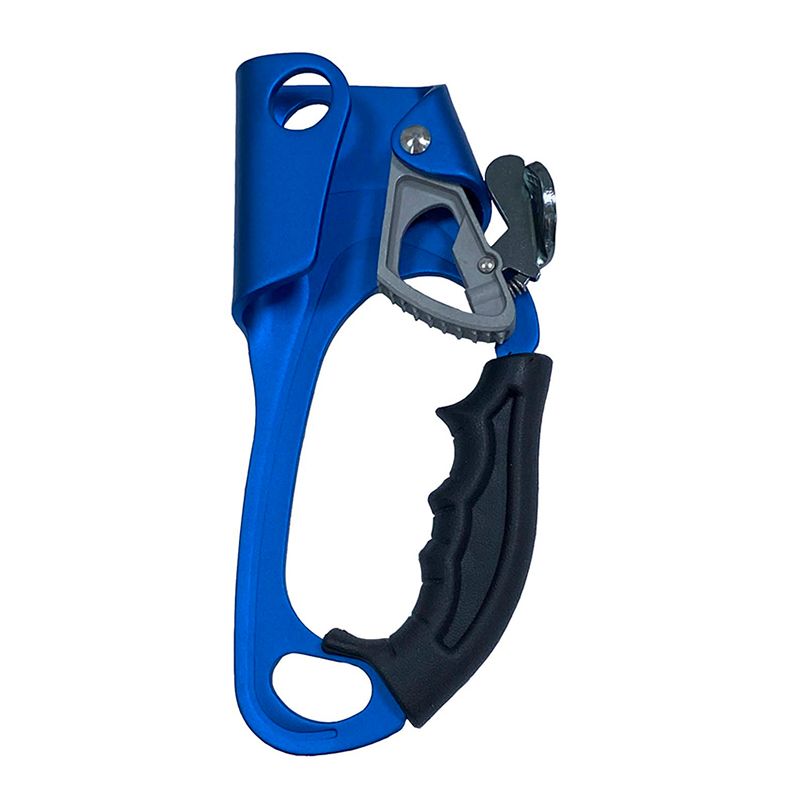
AAD-0327-R
Ascender-Right Hand • Material: Aluminum Alloy • Cam: Stainless Steel 304 • Breaking Strength: 6kN • Compatible with 8-12mm ropes • Weight: 231 g
View product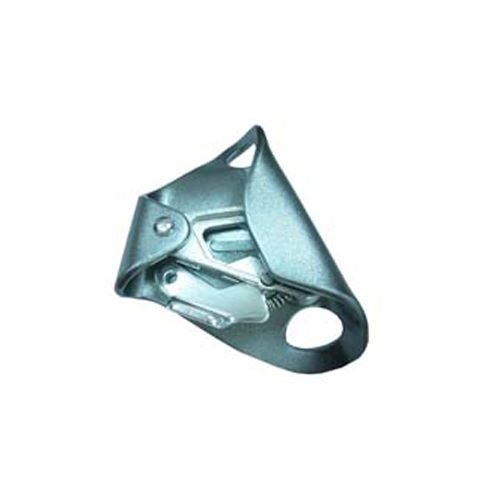
A696
Chest Ascender • Material: Aluminum Alloy • Cam: Steel & Stainless Steel Chooseable • Breaking Strength: 4kN • Rope: 8-13mm
View product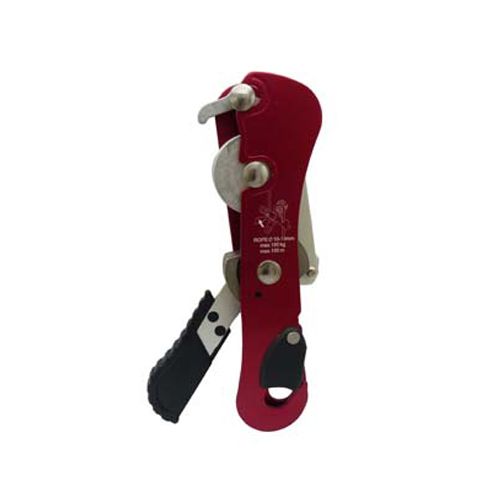
A906
Anti-Panic Descender • Anti-panic Version • Material: Aluminum Alloy • Compatible with 10mm-13mm rope • Color: Red • Weight: 380g • CE EN341, EN365 Certificate
View product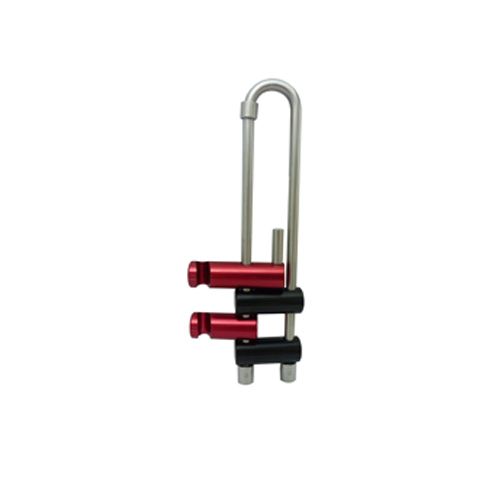
A908
Aluminum Descender Rack • Material: Aluminum • Standard Finish: Anodized • Max. Rope Size: 8mm-13mm • Weight: 372g
View product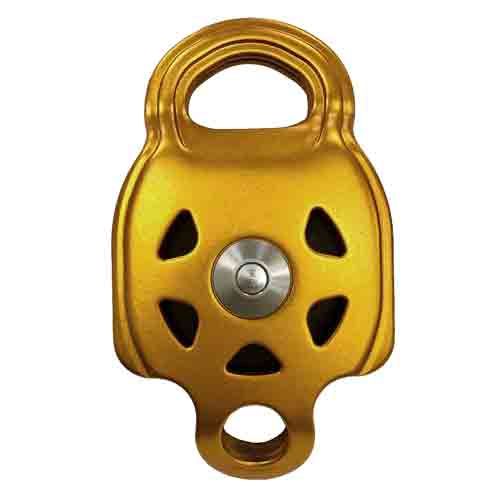
AP-090-B
Material: Aluminum Alloy • Standard Finish: Anodized color • *With ball bearing * • Breaking Strength: 40kN • Max. Rope Diameter: 13mm • Weight: 266 g
View product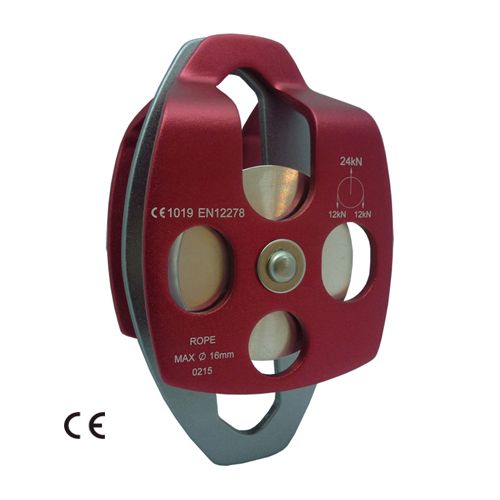
AP-082
Double Pulley • Material: Aluminum Alloy • Breaking Strength: 24kN • Rope: 16mm
View product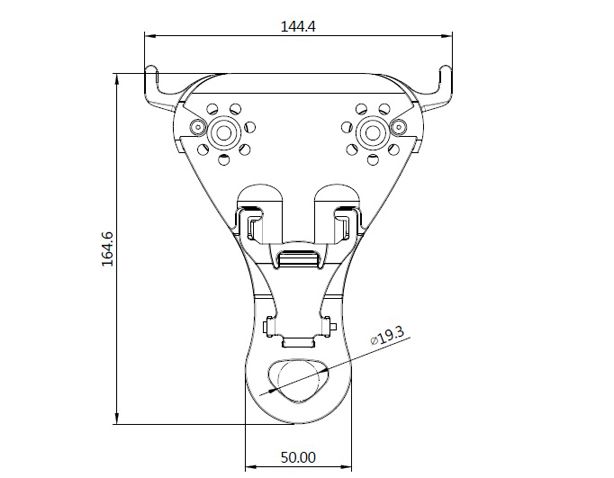
TP-978
Zipline Pulley • With Ball Bearing • Case: Aluminum Alloy • Sheave: Stainless Steel • Load: 25kN • Max. Rope size: 13mm
View product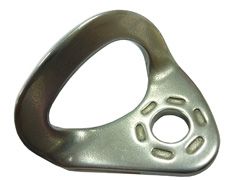
705H
Rock Climbing Hanger • Material: Available in Steel & Stainless Steel • Breaking Strength: Steel - 25kN ; • Stainless Steel - 30kN • Size: 10mm & 12mm • Six protuberances around the bolt orifice keep the hanger from spinning
View product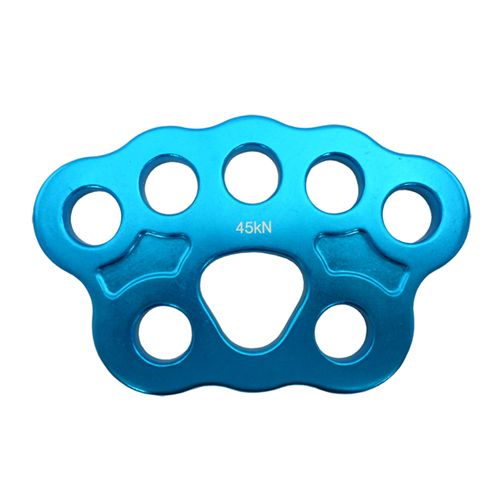
A001
Rigging Plate • Material: Aluminum • Finish: Anodized • Dimensions: 158.6*101.1mm • Thickness: 10mm • Breaking Strength: 45kN
View product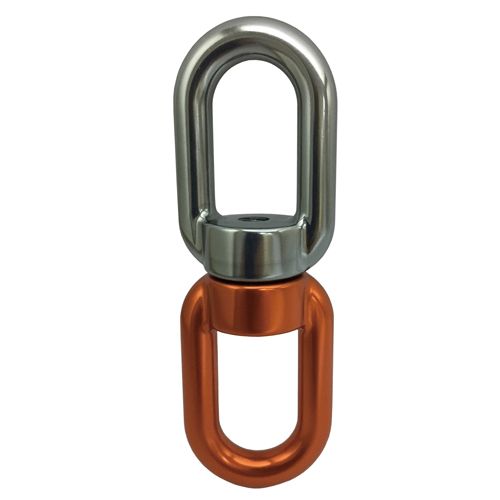
A020
Forged Aluminum Swivel Hook With Bearing • Material: Aluminum Alloy • Standard Finish: Anodized • Breaking Strength: 26kN • ** Warning ** • This swivel is for PPE only! • Follow the PPE instruction for proper use , inspection ,and maintenance of this equipment. • Do NOT modify or alter this swivel in any other ways !Failure to follow these warnings might result in serious Injury or death.
View product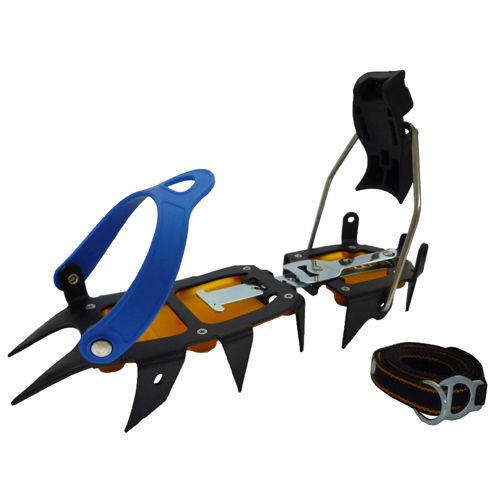
CRM-12-C
Crampon • Material: PU and Steel • Type: Combi Version • Point: 12 • Anti Snow Plate can be disassembled
View product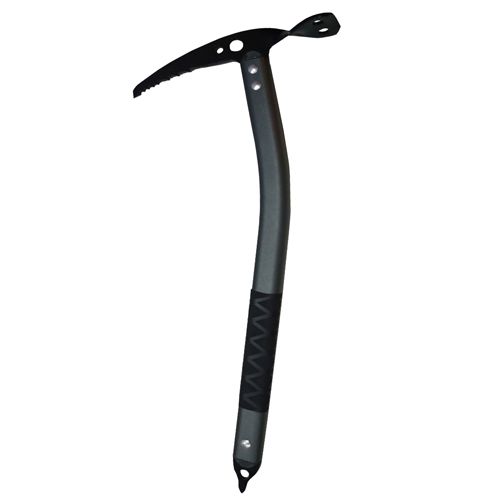
A960
Ice Axe • Material: Head & Spike: Steel • Curve Shaft: Aluminum Alloy • Length: 60-80cm available • Meets CE Standard
View product
Related Insights
Rope Access Equipment Manufacturer Guide: Ascenders and Descenders
Choosing a rope access equipment manufacturer starts with knowing which standard governs which device: EN 12841 types A, B and C, EN 567 and EN 341. A guide to the metal side of an OEM ascender and descender programme.
Read more →What Does kN Mean? kN to kg and lbf, MBS vs WLL
1 kN is about 102 kgf or 225 lbf, so a 22.2 kN connector is rated to about 5,000 lbf. What kN, minimum breaking strength and WLL mean on safety hardware.
Read more →Hot Forging vs Cold Forging for Load-Bearing Safety Hardware
Hot forging vs cold forging comes down to forming above or below the recrystallisation temperature, and that choice drives tolerance, strength, tooling cost and part size. Here is how to choose for forged safety hardware.
Read more →Tree Climbing Gear Manufacturing in Taiwan: An OEM Guide for Arborist Equipment Brands
Arborist and tree-care brands are looking beyond the usual suppliers for tree climbing gear. A guide to Taiwan tree climbing gear manufacturing — the arborist hardware OEM landscape, products, standards, and how to develop a custom range.
Read more →CE Certification for PPE: Regulation 2016/425 Explained
CE certification for PPE under Regulation 2016/425: Category III needs Module B plus C2 or D, a notified body and a certificate valid up to five years.
Read more →UIAA Certification: What the Safety Label Means for Brands
UIAA certification covers one named product and holder, not a factory: an accredited lab tests it, the label renews yearly, and CE still applies.
Read more →Questions buyers ask about climbing hardware
- Who manufactures climbing hardware in Taiwan?
- Power Honour is a Taiwan climbing hardware manufacturer, an OEM/ODM company with more than 30 years in safety hardware. Its climbing range covers ascenders, descenders, belay devices, pulleys, bolt hangers, rigging plates and swivels, crampons, ice axes, ice screws, nuts, slings and arborist hardware, made in house by forging, CNC machining, casting, stamping, heat treatment and surface treatment, and supplied under the customer’s brand.
- Is Power Honour certified to EN or UIAA climbing standards?
- Power Honour holds ISO 9001, ISO 14001 and ISO 45001 as a company. EN and UIAA certification applies to individual products rather than to a factory: we manufacture to EN 567, EN 12841, EN 341, EN 12278, EN 959, EN 893, EN 13089, EN 568 and the other relevant standards, and each product is certified for the brand that sells it, by the notified body or the UIAA as the brand chooses.
- Can you make climbing equipment under our own brand?
- Yes. We work as a climbing equipment OEM, manufacturing under our customers’ names with their marking, colours, instructions for use and packaging. A programme can start from a product in the existing range or from your own drawing, and certification is carried out on your product with the body you select.
- What is the difference between EN 567 and EN 12841 for ascenders?
- EN 567 covers rope clamps for mountaineering and climbing. EN 12841 covers rope adjustment devices used in rope access at work, with Type B for ascending on the working line and Type C for descending. An ascender sold for both climbing and rope access needs to be tested to both, with the ropes it will be used on.
- Do you make rope access and rescue hardware?
- Yes. Rope access and rescue hardware in our range includes handled and chest ascenders, self-braking and anti-panic descenders, descender racks, pulleys, rigging plates and swivels. Rescue descenders are tested to EN 341 and rope access devices to EN 12841; back-up fall arresters and lifelines are covered on our fall protection hardware page.
- Which materials do you use for crampons, ice axes and ice screws?
- Steel crampons suit mixed ground and hard ice, while aluminium crampons save weight for snow and glacier travel. Ice axes use steel heads and spikes on aluminium shafts, and ice screws are made in steel or stainless steel. The binding and point geometry are chosen with the boots and terrain the product is sold for.
- Are bolt hangers for climbing the same as fall protection anchors?
- Not necessarily. Climbing bolt hangers are tested as rock anchors to EN 959, with the bolt and hanger together. A hanger used as a fixed anchor for work at height is assessed under EN 795, which has different requirements, so the end use should be fixed before the design and the certification route are chosen.
- How are climbing hardware products tested before shipment?
- Testing follows the test plan agreed for each product: typically dimensional and material checks, load or proof testing, and function checks such as cam grip, descent control or gate and binding operation, recorded against the batch code. Type and certification testing is done by the accredited body you select.
Start your climbing hardware programme
Send the device, rope range and standard you have in mind, or a product you already sell, and we will come back with a DFM review, finish options and a route to certification.
- A reply within two business days from our team in Taipei.
- NDA on request before drawings or specifications change hands.
- An engineering and DFM review, not a sales pitch — we will say so if we are the wrong fit.
Prefer email? Write to service@fall-protect.com.