Fall Protection Hardware Manufacturer in Taiwan for PPE Brands
Rope grabs, horizontal and vertical lifeline components, self-retracting lifelines, anchors, energy-absorbing lanyards and tool tethers: the system-level fall arrest components behind your brand, made and tested in Taiwan.
Power Honour is a fall protection hardware manufacturer in Taiwan, making rope grabs, horizontal and vertical lifeline components, self-retracting lifelines, anchors, energy-absorbing lanyards and tool tethers for PPE brands that sell them under their own name. Each product is built to the standard for its role in the system: EN 353-1 and EN 353-2 for guided type fall arresters, EN 360 and ANSI/ASSP Z359.14 for self-retracting lifelines, EN 795 for anchor devices including Type C horizontal lifelines, EN 355 for energy absorbers and ANSI/ISEA 121 for tool tethers, with certification testing by the body the brand selects. We forge, cast, stamp, CNC machine, heat treat, plate or passivate, assemble and test in house under an ISO 9001 system.
Types of fall protection hardware we manufacture
Rope grabs and guided type fall arresters
Steel, stainless steel and aluminium rope grabs for synthetic rope lifelines, with or without an attachment eye, including rocker designs that follow the user up and down the line and lock on a fall. A rope grab is certified with the rope it runs on, so rope type and diameter are fixed at the design stage.
Horizontal and overhead lifeline components
Stainless steel end anchors, intermediate and corner brackets, cable tensioners with tension indicators, swaged and swageless terminations, in-line shock absorbers, lifeline shuttles and ball-bearing overhead trolleys for 8 mm wire rope systems on roofs, gantries and loading bays.
Ladder and vertical lifeline systems
Stainless steel cable grabs for 8 mm and 10 mm wire rope, ladder anchor points, rope guides, shock absorbers, turnbuckles, U-bolts and wire rope clips for fixed-ladder fall arrest systems, supplied as components or as a matched kit.
Self-retracting lifelines
Self-retracting lifelines with galvanised wire rope or 19 mm webbing in a range of lengths, with swivel connectors and taglines, designed to EN 360. The housing, drum, brake pawls and ratchet are the metal parts that decide whether the device locks every time.
Anchors and energy-absorbing lanyards
Stainless steel end anchors, ladder anchor points and pipe-form anchors, plus energy-absorbing lanyards that limit the force on the worker. The snap hooks and carabiners that terminate these lanyards are covered in our snap hook, carabiner and harness hardware lines.
Tool tethers
Bungee tool lanyards with aluminium locking hooks and swivel hooks, in single and twin-leg versions, for dropped object prevention at height. A tool tether protects the people below, not the worker, and is specified against its own standard.
Standards and what buyers check
In a fall arrest system the standard follows the component’s job: the arrester on the line, the device that pays out and locks, the anchor that carries the load into the structure, the absorber that limits the force on the body. Our experience covers CE EN standards under PPE Regulation (EU) 2016/425 and ANSI/ASSP Z359, under an ISO 9001 system.
| Standard | What it covers | What buyers check |
|---|---|---|
| EN 353-1 / EN 353-2 | Guided type fall arresters: EN 353-1 on a rigid anchor line, a rail or a wire rope fixed top and bottom, usually on a fixed ladder; EN 353-2 on a flexible fibre or wire rope line hung from an upper anchor. | The arrester and its anchor line are tested and certified as one product, so a rope grab is only valid on the rope named in its instructions. EN 353-2:2024 replaces the 2002 edition. In the US the nearest equivalents are ANSI/ASSP Z359.15 for rope grabs and Z359.16 for ladder systems. |
| EN 360 | Retractable type fall arresters (self-retracting lifelines) in Europe. | Arrest force no more than 6 kN in the dynamic test with a 100 kg mass; static strength of at least 15 kN for a synthetic lifeline and 12 kN for a steel wire rope lifeline. EN 360:2023 replaced the 2002 edition and adds tests closer to real use, including horizontal working. |
| ANSI/ASSP Z359.14 | Self-retracting devices for personal fall arrest and rescue systems in the US. | Every device is labelled Class 1 (anchored at or above the dorsal D-ring) or Class 2 (may be anchored up to 5 ft below it, with leading-edge duties). Maximum arrest distance 42 in, average arrest force 1,350 lbf and maximum 1,800 lbf. An EN 360 device is not automatically Z359.14 compliant. |
| EN 795 | Anchor devices for a single user, in Types A to E; Type C is a horizontal flexible anchor line deviating from the horizontal by no more than 15°. | Static strength of 12 kN for an all-metallic anchor device and 18 kN where it has non-metallic load-bearing parts. On a horizontal lifeline the end anchors see several times the arrest force, so the system is designed as a whole; in the US, ANSI/ASSP Z359.6 sets the design requirements for qualified persons. |
| EN 355 | Energy absorbers, as part of a lanyard or sold as a separate component. | In the dynamic test with a 100 kg mass the braking force must not exceed 6 kN and the absorber must not extend more than 1.75 m; it must not deploy under a 2 kN preload and must hold 15 kN statically. Buyers check the deployed length because it drives fall clearance. |
| ANSI/ISEA 121 | Dropped object prevention solutions in the US: tool attachments, anchor attachments, tool tethers and containers. | A voluntary consensus standard, revised in 2023, that requires dynamic drop testing of tool tethers rather than static tests alone, plus labelling of rated capacity. It covers tools, not people: a tool tether is never a fall arrest lanyard. |
Materials and processes
Fall protection hardware mixes processes in one assembly: a rope grab needs a forged or cast body, a stamped cam and a machined pivot; a lifeline tensioner needs a machined stainless body and threaded parts; a self-retracting lifeline needs a housing, drum and brake parts that fit together exactly. All of these run in house, so the components are matched to each other and to the test plan.
Materials
- Stainless steel 304 and 316
- Alloy and carbon steel
- Aluminium alloys
- Galvanised steel wire rope and webbing (in assemblies)
In-house processes
- Hot forging of steel and aluminium bodies
- Investment casting of stainless steel brackets and anchors
- Stamping of cams, plates and brake parts
- CNC machining of pivots, threads, tensioner bodies and terminations
- Heat treatment to the specified hardness
- Zinc plating, anodising and passivation of stainless steel
- Sub-assembly of grabs, trolleys, lanyards and retractable devices
- Load, function and locking tests to your test plan
OEM options: marking, finishes and packaging
Marking
Laser marking or labels with your name, the standard, the rope or cable the device is certified with, the rated capacity and a batch or serial number for traceability.
Matched system kits
Rope grab and rope, lifeline components for one cable size, or a self-retracting lifeline with its connectors, supplied as a matched set so the configuration you certify is the configuration you ship.
Materials and finishes
Stainless steel 304 or 316 for outdoor and marine lifeline systems, zinc-plated or chrome-plated steel for indoor use, and anodised aluminium where weight matters, chosen against the site rather than appearance alone.
Packaging and instructions
Retail boxes and bags with your branding and the instructions for use and inspection records the standard requires, or bulk packed by lot for system installers and kit assemblers.
How we work with your business
We build fall protection hardware for three kinds of buyer, each with a different starting point.
Private label manufacturing
Your name, marking and packaging on hardware built to your specification, starting from an existing design or a new one.
See the private label programme →Importers & wholesalersSupply for distributors
A Taiwan source for connectors, harness hardware and rigging components, with the documentation your customers ask for.
See the distributor programme →US & CanadaNorth American standards
How ANSI/ASSP Z359, OSHA and CSA Z259 requirements shape a product programme for the US and Canadian markets.
Read about US and Canada standards →Fall Protection Hardware from our catalogue
Existing designs from the catalogue of our parent company, Handy Man Enterprise. Any of them can be the starting point for your own version — a different gate, size, material, finish, marking or package.
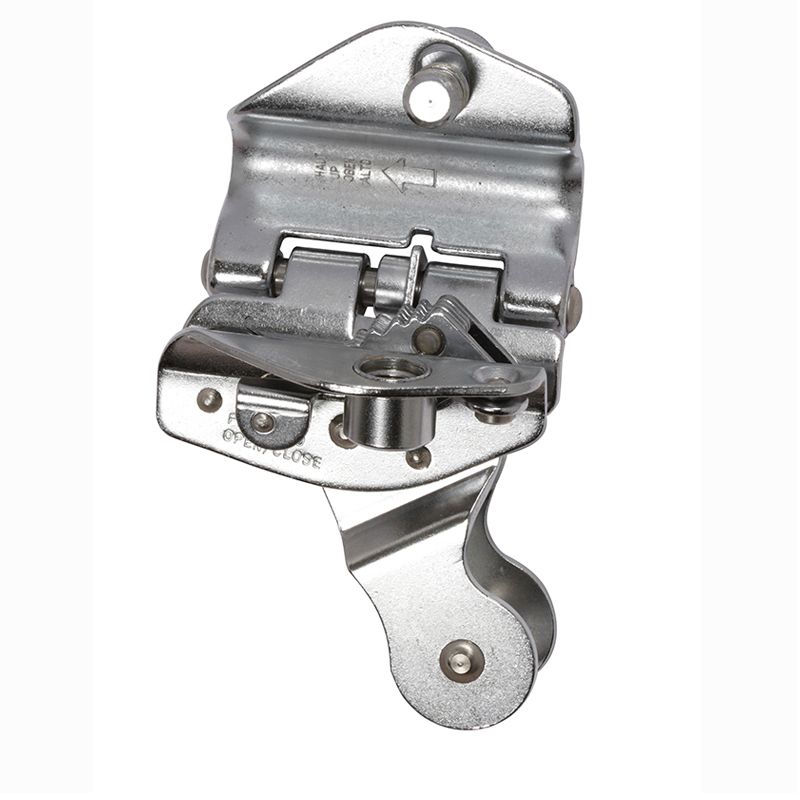
611
Rope Grab • Material: Steel • Standard Finish: Zinc Plated • Rope Size: Ø 14~16mm • Weight: 487 g • CE EN353-2 • For use with synthetic ropes
View product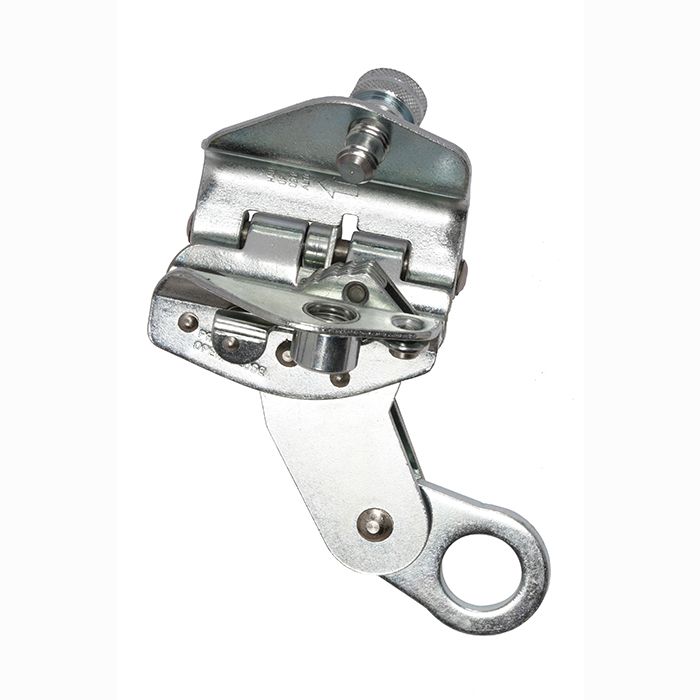
621-12
Rope Grab with eye • Material: Steel • Standard Finish: Zinc Plated • Rope Size: Ø 12mm • Weight: 510 g • CE EN353-2 • For use with synthetic • ropes
View product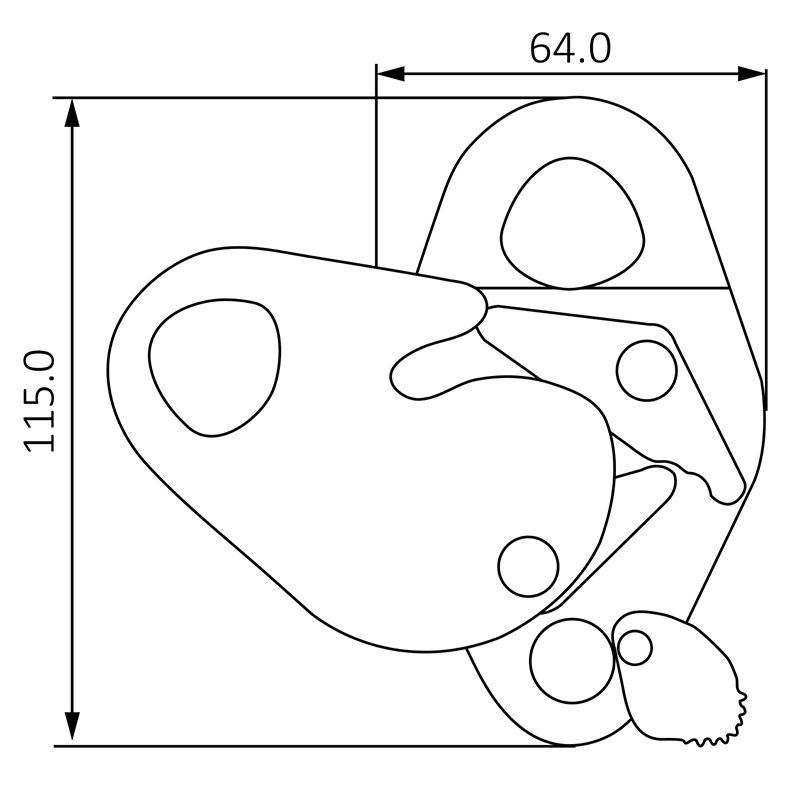
A525
Rocker ropegrab • Material: Aluminum • Finish: Anodized • Rope diameter: 10.5-12.7mm • Breaking Strength: Depends on rope diameter • Meets EN353-2 standard
View product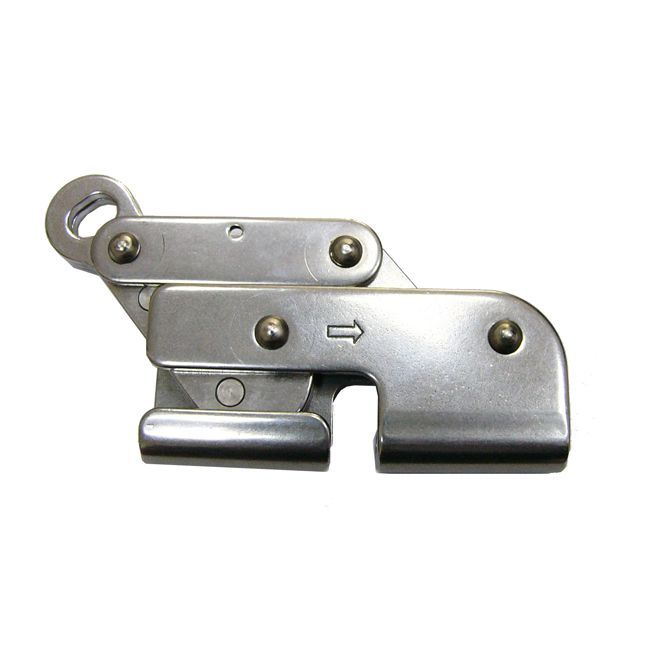
SS625
Cable grab • Material: Stainless Steel • Standard Finish: Self colored • Wire Size: Ø 8mm & Ø 10mm optional • Meets EN353-2
View product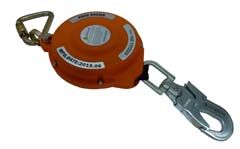
SRL-6
Self Retracting Lifeline • Meet EN360 Standard • Breaking Strength: 12.5kN • Cable Length: 6m • Ø: 4mm • Weight: 4.5kg • Include Steel Swivel Hook
View product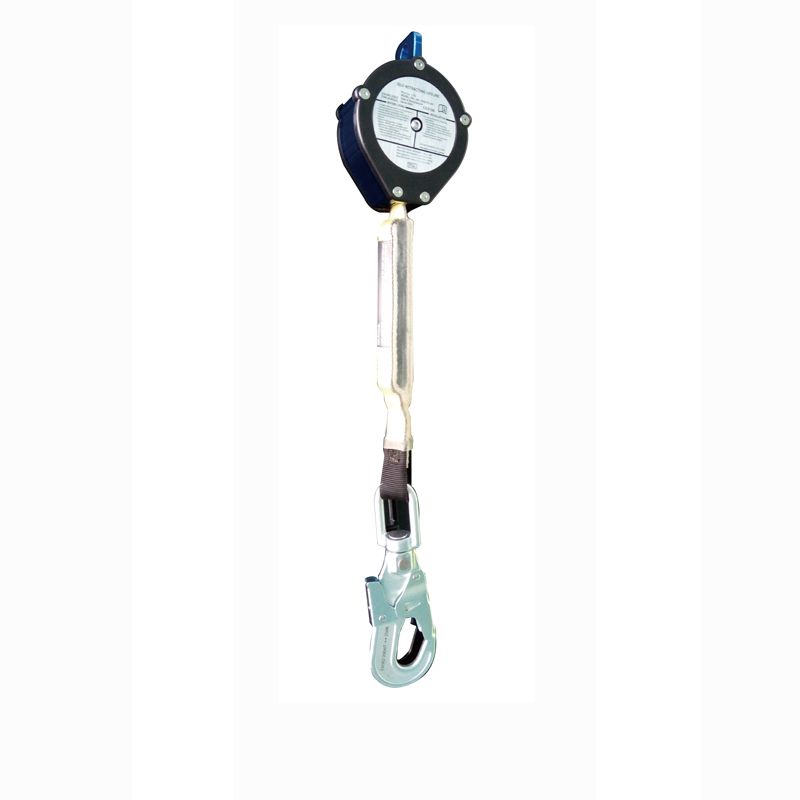
SRL-2M
2.0M(6.6ft ) 19mm webbing w/tagline & swivel • connector • Nearly indestructible, the high impact-resistant • plastic housing • withstands the harsh rigors of the toughest applications. • The lightest, most rugged line of composite retractable are • available in 3m(10ft),2.7m(9ft), 2.5m(8.3ft) • Dimension: 131x94x47mm (5.2×3.7×1.85-in) • EN360 2002
View product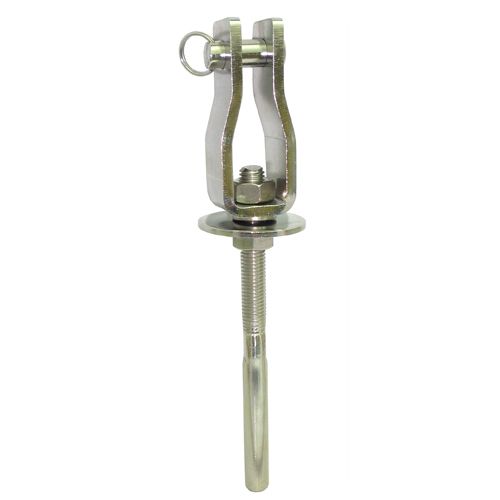
SS4826
Horizontal Life System • Component Cable Tensioner • Compatible with 8mm rope • Material: Stainless Steel
View product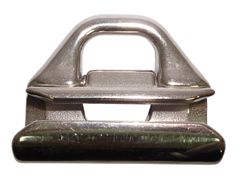
Gilder-8
Lifeline Shuttle • Designed to enable the user to move easily and safely along the lifeline. Besides, it can be connected and disconnected at any point along the system. • Material: Stainless Steel • Compatible with 8mm rope
View product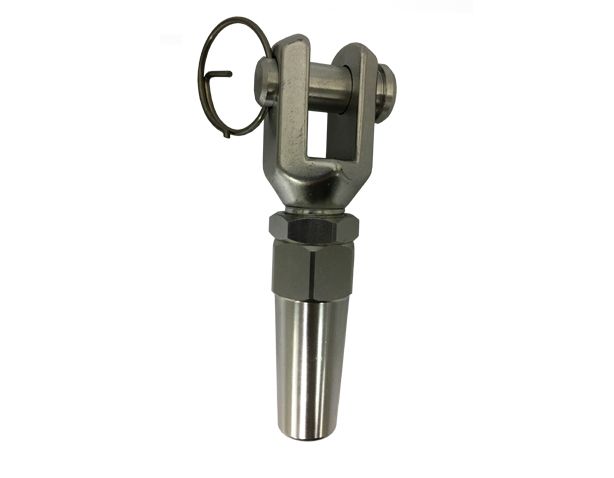
SS783
Horizontal Life System • (Via Ferrata) Component Jaw Terminal • Compatible with 8mm rope • Material: Stainless Steel
View product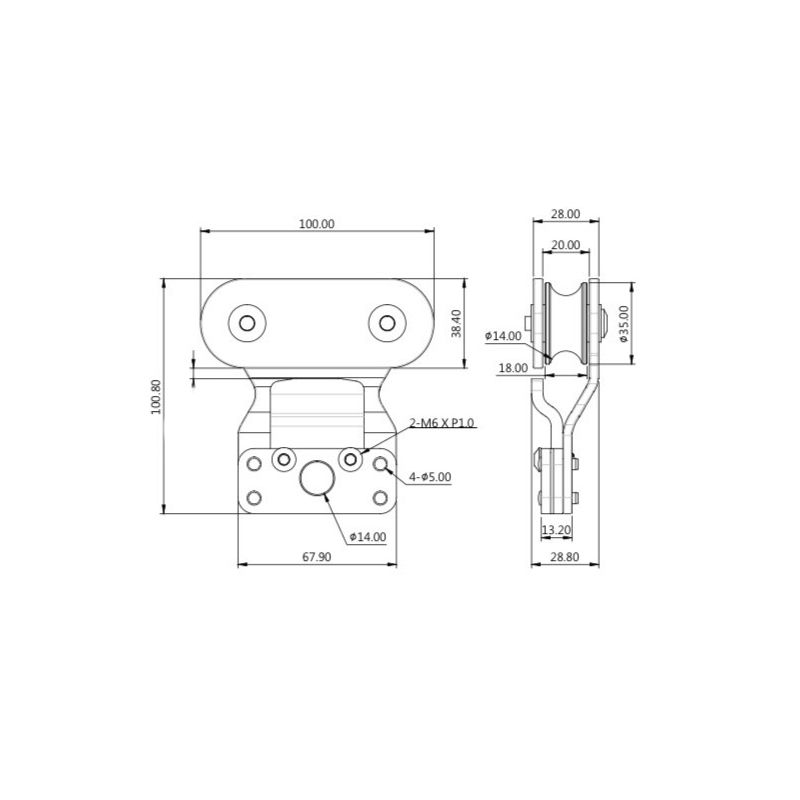
SS980
Overhead Trolley ,with ball bearing • Material: Case + sheave, stainless steel 304 • Compatible with 8mm wire rope. • Breaking Strength: >15Kn • Open Gate - 2 options: (A) 5.5 ± 0.3mm or (B) 4.7mm ±0.3mm • Net weight: 646g
View product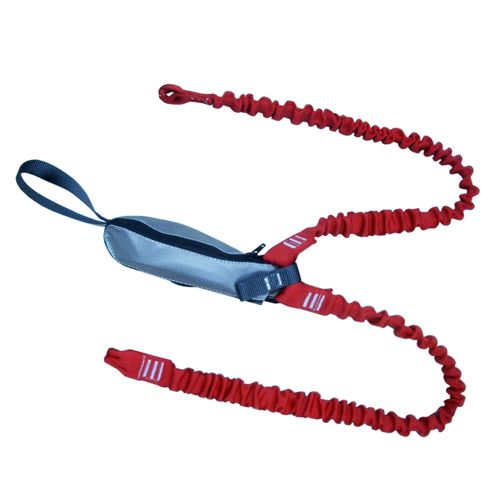
YL-01
Weight: 394g • This product can meet CE0197 Standard
View product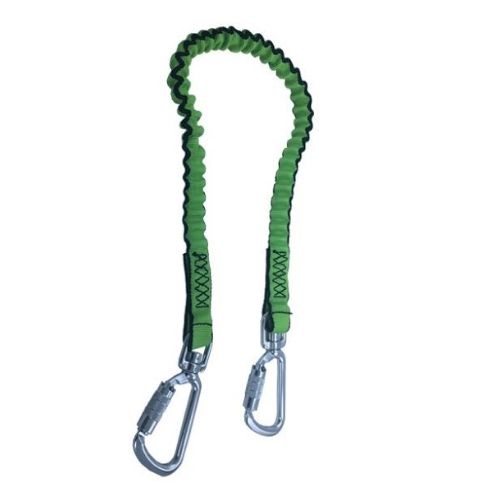
HTE-2H-A204KTL
Tether Tool Bungee Lanyard: 2pcs Aluminum Swivel Hook • Webbing • Relaxed Size(hook included): 103cm • Webbing: Nylon • Webbing width: 20mm • Aluminum Swivel Hook • Twist Lock- A204KTL • Triple Lock-A204-KTL-2 • Strength of Aluminum Hook: 8kN
View product
Related Insights
Horizontal Lifeline System Components: Parts, Loads, Standards
Horizontal lifeline system components are end anchors, an energy absorber, a tensioner, 8 mm wire rope, terminations, brackets and travellers. Here is why end anchor loads exceed the arrest force.
Read more →EN 353-1 vs EN 353-2: Guided Type Fall Arresters Explained
EN 353-1 covers guided type fall arresters on a rigid rail or tensioned wire rope. EN 353-2 covers flexible fibre or wire rope lines hung from an upper anchor, now in its 2024 edition.
Read more →Anchorage Connector Manufacturing: Beam Clamps, Roof and Concrete Anchors
An anchorage connector is the one part that transfers the entire arrest load into the structure, and ANSI/ASSP Z359.18 governs it as a product. Here is how beam clamps, roof anchors and concrete anchors are made and specified.
Read more →Tool Tethering Hardware and ANSI/ISEA 121 Dropped Object Prevention
Tool tethering is the fastest-growing corner of dropped object prevention, and ANSI/ISEA 121 is the standard behind it. Almost all of it is small load-rated metal: quick rings, D-ring adapters, tool traps, swivels and connectors.
Read more →Self-Retracting Lifeline (SRL) Manufacturing: An OEM and Standards Guide
How is a self-retracting lifeline built and certified? A manufacturing guide to SRL brake mechanisms, EN 360 and ANSI/ASSP Z359.14 Class 1 vs Class 2, lifeline media, and what to specify to an OEM.
Read more →Fall Protection Manufacturer in Taiwan: Brand Sourcing Guide
Choosing a fall protection manufacturer in Taiwan? Verify process control, match CE, ANSI or CSA to each market, and settle who holds certification.
Read more →Questions buyers ask about fall protection hardware
- Who manufactures fall protection hardware in Taiwan?
- Power Honour is a Taiwan manufacturer of fall protection hardware with more than 30 years in safety hardware. We make rope grabs, horizontal, overhead and vertical lifeline components, self-retracting lifelines, anchors, energy-absorbing lanyards and tool tethers, as well as the snap hooks, carabiners and harness hardware that connect them, for PPE brands and distributors in Europe and North America. Buyers looking for a PPE hardware manufacturer or a safety hardware supplier can source the fall arrest components of a system and its connectors from one factory, under one ISO 9001 system.
- Is Power Honour certified to EN 353, EN 360 and ANSI/ASSP Z359?
- Power Honour holds ISO 9001, ISO 14001 and ISO 45001 certification for its management systems, and has experience manufacturing to EN 353, EN 360, EN 795, EN 355 and ANSI/ASSP Z359. Product certification is not held by the factory as a whole: each product is certified individually, by the notified body or test laboratory the brand selects, and the certificate normally sits with the brand named on the product.
- Can you manufacture fall protection equipment under our own brand?
- Yes. We make fall protection hardware under our customers’ names, with their marking, finishes, packaging and instructions. A programme can start from a product in the existing range or from your drawing, and certification to the standards your market requires is carried out on your product by the body you select.
- What is the difference between EN 353-1 and EN 353-2?
- The anchor line. EN 353-1 covers guided type fall arresters on a rigid line, a rail or a wire rope fixed at both ends, typically on a fixed ladder. EN 353-2 covers arresters on a flexible fibre or wire rope line hung from an upper anchor. In both cases the arrester and line are certified together, so a rope grab is only approved on the rope it was tested with.
- Can a self-retracting lifeline meet both EN 360 and ANSI/ASSP Z359.14?
- It can, but it has to be designed and tested for both. The two standards use different test masses, arrest limits and classifications, and Z359.14 requires every device to be labelled Class 1 or Class 2, so a device certified to EN 360 alone cannot be sold as Z359.14 compliant without its own testing.
- Why are most lifeline components made of stainless steel?
- Horizontal, overhead and ladder lifeline systems are installed once and left outdoors for years, often on roofs, towers and coastal sites. Stainless steel 304 or 316 resists that exposure without relying on a coating, which is why the brackets, terminations, tensioners and cable grabs in these systems are usually stainless.
- Do you also make snap hooks, carabiners and D-rings?
- Yes. They are the connectors that join a fall arrest system together, and they have their own product pages: see our snap hook, carabiner and harness hardware lines. A lanyard or self-retracting lifeline programme can draw its connectors from those ranges.
- How are fall protection components tested before shipment?
- Testing follows the plan agreed for each product: dimensional and function checks in production, load and locking tests on samples or every unit as specified, and finish checks on plated and stainless parts. Type testing for certification is carried out by the body you select, and we keep lot records so a finished unit can be traced back to its material and process batch.
Start your fall protection programme
Send the system, the standards and the products you have in mind, or a device you already sell, and we will come back with a DFM review, material and finish options and a route to certification.
- A reply within two business days from our team in Taipei.
- NDA on request before drawings or specifications change hands.
- An engineering and DFM review, not a sales pitch — we will say so if we are the wrong fit.
Prefer email? Write to service@fall-protect.com.