Pet Hardware
Climbing-grade metal hardware for premium pet gear.
Pet hardware is the load-bearing metal in leashes, collars, harnesses and car restraints — trigger and bolt snaps, swivels, locking carabiners, D-rings, tri-glides and tether fittings. Unlike PPE connectors governed by CE EN 362, no published standard yet sets a strength floor for a leash clip — ASTM F3725-25 covers dog harnesses in vehicles and a collar and leash specification is still in development, and both are voluntary — so quality varies widely and most pet hardware is commodity zinc die-cast. Power Honour forges, casts and machines these same components in Taiwan for climbing and fall-protection brands to UIAA, CE EN 362 and ANSI/ASSP Z359 methods, and manufactures them for pet brands that want a documented strength baseline rather than an unverified marketing number.
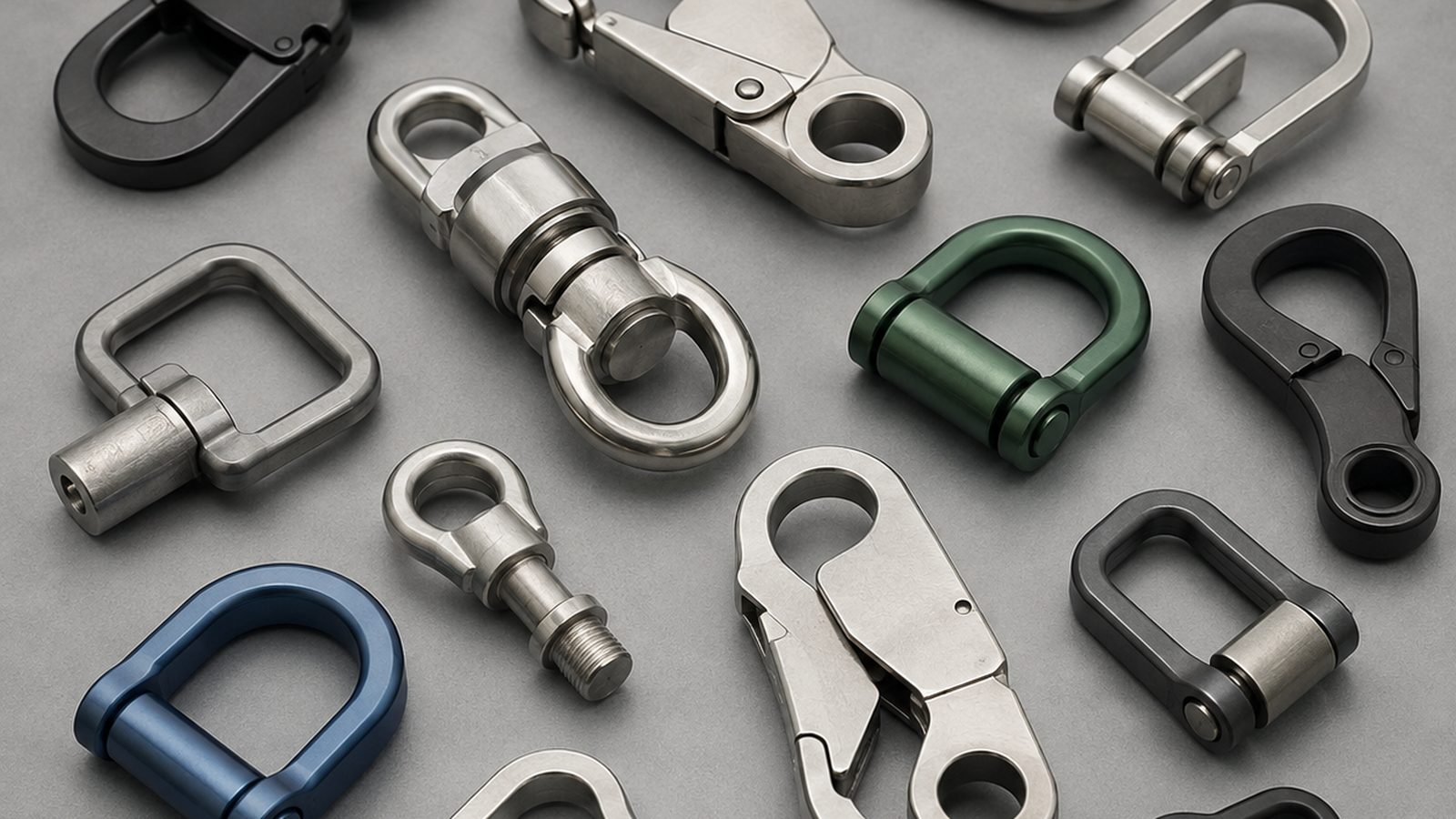
The metal parts in a leash, collar, harness or car restraint are the same components we already forge and machine for climbing and fall protection — snaps, swivels, locking connectors, D-rings and buckles — at different load levels. Premium pet brands increasingly market on hardware strength because hardware is where cheap pet gear fails, and a failure means a lost dog rather than a warranty claim. Consensus standards are only now arriving — ASTM F3725-25 covers dog harnesses for motor vehicle safety and a work item for collars, harnesses and leashes is in development — and both are voluntary, so we bring a PPE-grade engineering baseline to a category that still sets its own floor. This is a new category for us and we welcome drawings, samples and pilot programmes.
Hardware We Manufacture
- ✓Trigger, bolt and swivel-eye snap hooks
- ✓Locking and screw-gate carabiners for tethers and leashes
- ✓Anti-twist swivels and swivel bodies
- ✓Welded and forged D-rings and O-rings
- ✓Tri-glides, sliders and adjustment hardware
- ✓Car restraint and seatbelt tether hardware
- ✓Zipline, tie-out and running-line fittings
- ✓Collar and harness attachment hardware
Standards & Testing
Pet hardware sits in a regulatory gap that is only starting to close. ASTM published F3725-25 for dog harnesses in motor vehicle safety in 2025 and is developing a specification for dog collars, harnesses and leashes, but ASTM standards are voluntary and no law sets a minimum strength for a leash clip. The specification is still the brand's to write — and a supplier who already builds to climbing and fall-protection methods can give it a real floor today, and a head start on what is coming.
Our quality management system, applied to pet hardware production
Consumer safety specification for dog harnesses in motor vehicle safety, published 2025. Voluntary, not law. ASTM WK94204 (dog collars, harnesses and leashes) is in development — no published standard yet sets a strength floor for a leash clip
We build and test connectors to PPE and climbing methods; these are transferable as a voluntary strength baseline for pet products
Corrosion testing to a stated hour requirement, relevant to saliva, beach and road-salt exposure
Why Power Honour for Pet Hardware
The same parts, already certified
We forge and machine carabiners, snap hooks, swivels and D-rings to UIAA, CE EN 362 and ANSI Z359 for climbing and fall protection. Applying that process control to pet hardware is a change of load class, not a change of capability.
Forged, not zinc die-cast
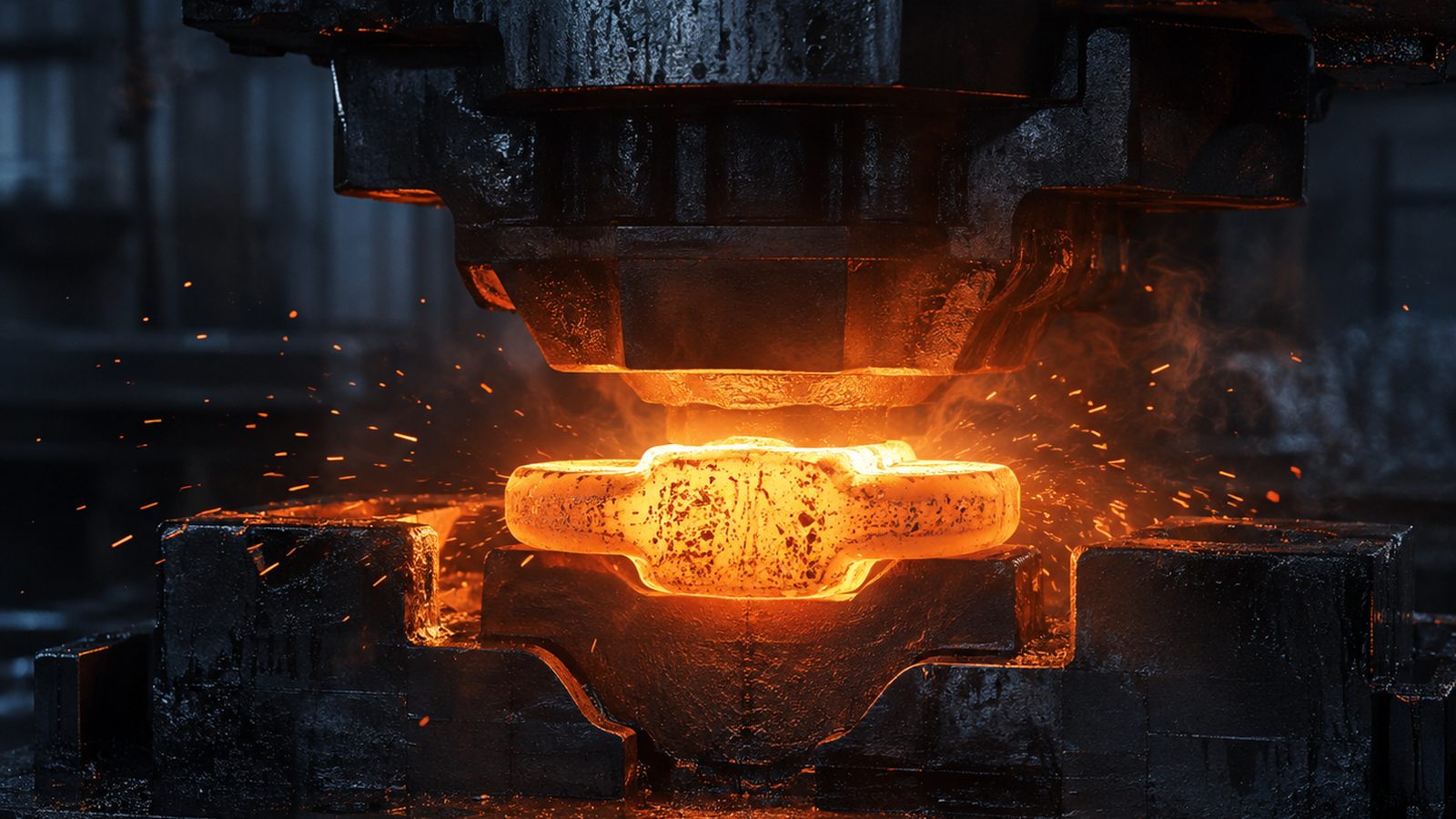
Most commodity pet hardware is zinc die-cast, which fails brittle and without warning. Forged and investment-cast parts yield before they break. Where a brand wants a defensible strength claim, the forming process is where it starts.
One supplier from tooling to finish
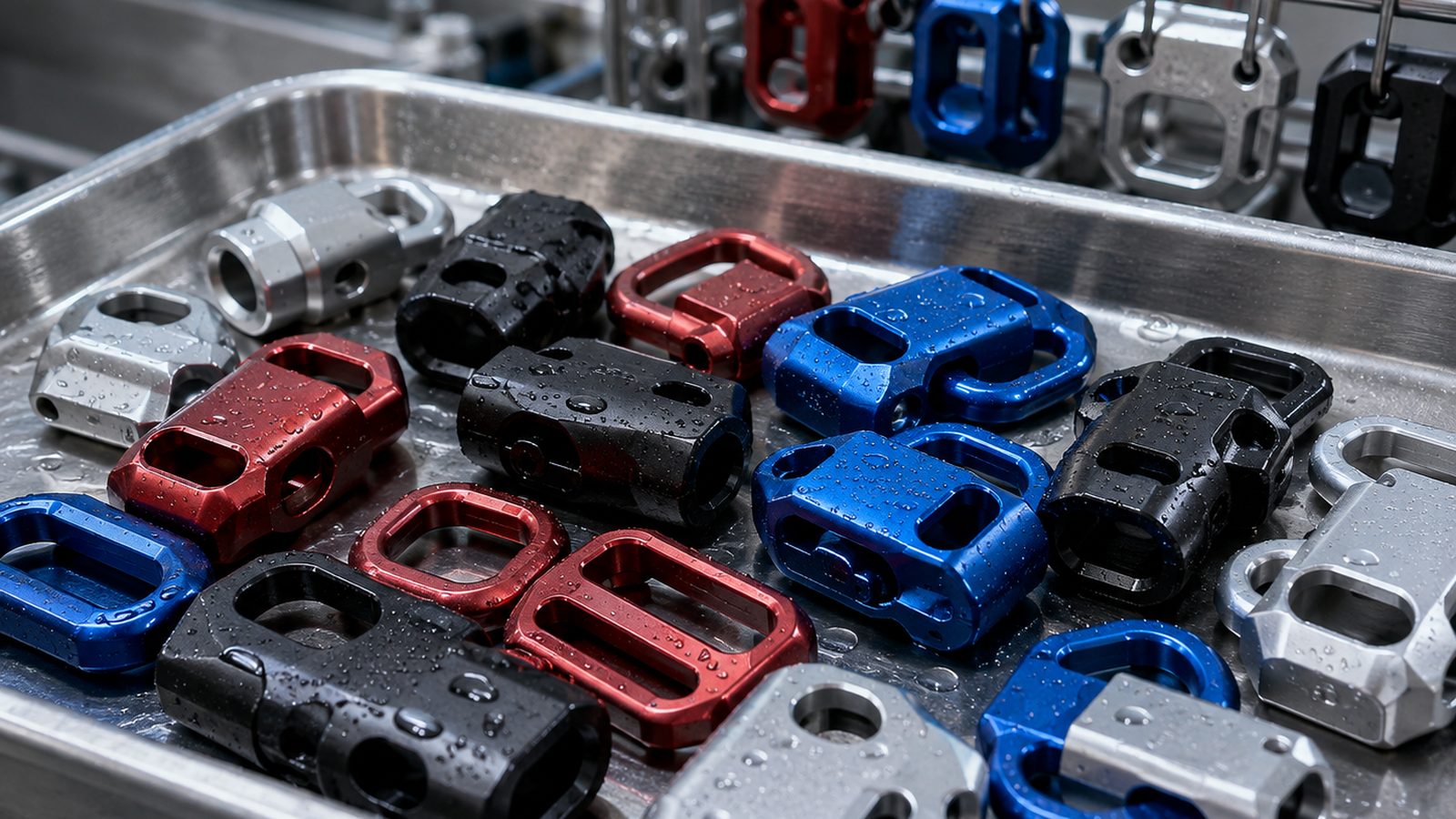
Forging, casting, machining, heat treatment and surface treatment are in-house, so custom tooling, the part itself, and the anodised or plated finish are managed under one roof and one quality system.
Documented testing you can put on the pack
We run documented batch testing with calibrated equipment and can report breaking strength by load direction — the difference between a marketing number and a claim that survives scrutiny.
Related Insights
Private Label Pet Hardware: A Guide to Custom Metal Parts
Private label pet hardware runs from a stock clip in your colour to a proprietary part on your own dies. A guide to branding methods, tooling costs, ownership and when custom tooling pays.
Read more →Dog Leash Breaking Strength: How to Specify and Prove a Real Number
Dog leash breaking strength only means something with a stated pull direction, test method and sample size. A guide to specifying a strength floor for pet hardware and verifying it with real batch test data.
Read more →Dog Leash Snap Hook Types: A Pet Hardware Selection Guide
A dog leash snap hook is not one part but a family: trigger and bolt snaps, swivel eyes, scissor hooks, frog clips and locking carabiners. Here is how a pet brand picks the clip, ring and slider, and writes the spec.
Read more →Dog Car Restraint Hardware: Tethers, Swivels and Crash-Test Claims
Dog car restraint hardware, the tether connector, swivel and vehicle anchor, is what carries the crash load. Here is how Center for Pet Safety testing sets the bar, and what to specify when sourcing a restraint line.
Read more →Pet Hardware Manufacturer Guide: Sourcing the Metal in Pet Gear
Choosing a pet hardware manufacturer means specifying metal, not approving a sample. This guide maps the snaps, swivels, rings and buckles behind leashes, collars and harnesses, and what to demand of each.
Read more →Common Questions
- Can you manufacture the metal hardware for dog leashes, collars and harnesses?
- Yes. Trigger and bolt snaps, swivel-eye snaps, locking and screw-gate carabiners, welded and forged D-rings and O-rings, tri-glides and adjustment hardware are the same components we already forge, cast and machine for climbing and fall-protection brands. Applying that process control to pet hardware is a change of load class, not a change of capability. Pet gear is a new category for us, and we are open about that.
- Is there a strength standard for pet hardware like there is for climbing carabiners?
- Not yet, though that is changing. No mandatory minimum breaking strength governs a dog leash clip the way CE EN 362 governs a PPE connector or EN 12275 a climbing carabiner. Consensus standards are emerging — ASTM published F3725-25 for dog harnesses in motor vehicle safety in 2025, and a specification covering dog collars, harnesses and leashes is in development — but ASTM standards are voluntary unless written into law. So any strength number on a pet product today is a claim the brand chose to make, and it is only meaningful if the test method, load direction and sample size are stated. We test and document pet hardware using the same methods we apply to certified PPE connectors, which gives a brand a defensible floor now and a head start on the standards coming.
- What is the difference between zinc die-cast and forged pet hardware?
- Zinc die-casting is cheap and reproduces detail well, but the resulting part tends to fail brittle — it shatters without warning. A forged part has grain flow following the contour of the component and yields visibly before it breaks, which is why load-bearing climbing and fall-protection connectors are forged rather than die-cast. For a dog product, that difference is the gap between a clip that bends and one that lets go.
- Can you put our logo on custom pet hardware?
- Yes — by laser etching, by stamping the mark during forming, or by modifying tooling for a proprietary shape. Anodised and plated colour finishes can also be matched to a brand standard. One engineering caveat worth raising early: a mark placed on a load-bearing surface can act as a stress raiser, so logo placement is reviewed as part of the DFM stage rather than treated as a purely cosmetic decision.
- Do you make hardware for dog car restraints and seatbelt tethers?
- Yes. A car restraint is a load path — harness, tether, connector and vehicle anchor — and the swivel, locking carabiner and seatbelt attachment are the parts that carry crash loads. We manufacture locking connectors and anti-twist swivels to CE EN 362 and ANSI Z359 methods for fall protection, which is a directly transferable baseline. Note that the Center for Pet Safety crash-test programme is a voluntary third-party certification, not a legal requirement.
Send us the clip you want to replace
Send a sample, a sketch or the part you are buying today, and we will come back with a DFM review, a material and process recommendation, and the strength you can expect to document.